
 Caleb Turner

For achieving a beautifully worn look, I recommend using a multi-step approach that begins with a thorough cleaning of the surface. Remove any dust and grease using a mild soap solution, ensuring a smooth application for the subsequent layers. Once dry, I suggest applying a generous coat of the chosen matte coating. This base layer serves to create depth and enhances the overall appearance.
After the initial layer is completely cured, I like to use fine-grit sandpaper to lightly distress the edges and corners. This simple technique mimics the natural wear and tear that occurs over time. The goal is to reveal some underlying wood, adding character and authenticity to the piece.
Finally, sealing the surface with a clear wax is essential. This not only protects the finish but also enriches the tones, providing a soft sheen that complements the distressed areas. By following these specific steps, the piece transforms into a charming focal point that tells its own story.
Aging Techniques Using Chalk-Based Coating
For a weathered look, apply a dark wax after the base layer dries. This adds depth and accentuates details. Use a clean rag to apply, focusing on corners and edges for a natural touch.
Consider layering different hues. A lighter coat beneath a darker one creates an interesting contrast. Sanding sections will reveal the base color, enhancing the worn appearance.


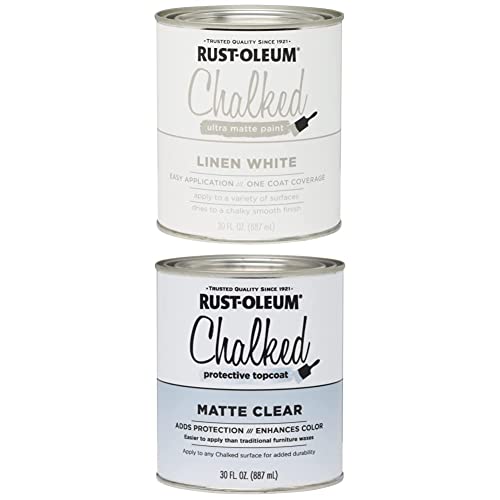
Employ a damp cloth to wipe areas selectively, achieving a more rustic style. This technique softens the harshness of the paint and creates visual interest.
Experiment with distressing tools like a hammer or chains. Lightly tapping or dragging these items across the surface results in subtle imperfections reminiscent of aged items.
For a more dramatic effect, create chipping by randomly scraping the surface. Ensure to target edges for a naturally worn feel, replicating years of use.
Finish with a protective topcoat to seal the look. This not only protects but also adds a slight sheen, enhancing the final design. A matte or satin clear finish often works best.
Selecting the Right Chalk Paint for Aging
I recommend focusing on matte finishes for a more authentic, vintage appearance. Brands like Annie Sloan or Rust-Oleum offer excellent options that dry to a chalky texture, ideal for achieving that worn look. Choose shades that reflect historical colors, like soft whites, muted grays, or deep greens. These tones can help replicate the aging process effectively.
Assessing Quality
Quality matters. Higher-end products often provide better coverage and durability. I prefer paints that require fewer layers, saving time and effort while achieving a more seamless finish. Always read reviews or test small samples to ensure the paint adheres well to the surface of your piece.
Understanding Application Techniques
Different techniques, such as layering and distressing, work better with specific formulations. For instance, thicker paints are great for textured effects, while thinner varieties excel in smooth applications. Experimenting on scrap wood before proceeding with your main project can help refine your technique and choice of product.
Preparing Your Furniture for Chalk Painting
First, I always clean the surface thoroughly using a gentle cleaner and a damp cloth. This removes any dirt, grease, or old polish that could interfere with adhesion.
Next, I inspect for any imperfections. If there are scratches or dents, I fill them with wood filler to create a smooth surface. After it dries, I sand the area lightly to ensure it’s even.
Another step I take is to lightly sand the entire piece. This helps the new layer adhere better, particularly on glossy surfaces. I use fine-grit sandpaper for this task, ensuring not to damage the existing finish.
Once sanding is complete, I wipe down the surface again to remove dust particles. A clean, dust-free area is essential for achieving a smooth finish.
I also check if a primer is necessary. If the original coat is dark or glossy, using a primer can enhance the final color application.
Finally, I ensure the working environment is well-ventilated. A space with good airflow contributes to a better application, allowing the materials to dry properly.
Applying the First Coat of Chalk Paint
Begin by stirring the medium thoroughly to ensure even consistency. Pour a small amount onto a tray for easier access. Using a high-quality synthetic brush or a foam roller, apply the first layer evenly, working in thin sections. This technique helps to prevent drips and runs.
Consider the following tips for a flawless application:
- Apply the material in the direction of the wood grain to maintain a natural look.
- Don’t overload the brush; a little goes a long way. If you notice clumps, gently remove excess.
- Keep a wet edge when moving along a surface to avoid lap marks.
- Allow the first coat to dry completely as per the manufacturer’s instructions, usually around 1-2 hours.
- Inspect for any spots needing additional coverage before proceeding to the next layer.
If there are imperfections after drying, lightly sand those areas with fine-grit paper to create a smooth finish. Remove dust with a clean cloth to prepare for the second layer.
Techniques for Creating an Aged Look
Distressing techniques enhance the vintage charm of a piece. I often use sandpaper to gently wear down edges and corners, revealing the underlying layer for a more authentic look.
For a soft patina, I apply a wash of dark wax after the initial coat dries. This adds depth to the texture and accentuates details.
Rubbing a damp cloth over specific areas can create an uneven finish, mimicking years of natural wear. It’s vital to focus on high-contact zones like drawer edges or handles.
| Technique | Description |
|---|---|
| Sanding | Lightly sand edges for a worn appearance. |
| Dark Wax | Add a dark wax layer to highlight crevices. |
| Cloth Rubbing | Use a wet cloth to create a washed-out effect. |
Layering colors can also be effective. I apply a lighter base and a darker top coat, then sand through selectively to unveil the base color.
Using a sponge can create a textured effect. Dabbing the sponge into the topcoat before pressing it against the surface adds an interesting visual dimension.
For a more rustic appearance, I experiment with crackle medium to create fissures that mimic age naturally. This technique requires a steady hand for best results.
Choosing the Appropriate Wax Finish for Distress
I recommend selecting a clear wax when aiming for a subtle yet protective finish. This option allows the underlying colors to shine through while providing a soft glow. For a more pronounced antiqued effect, consider tinted wax; options with brown or gray hues can deepen the character of the surface. Apply it sparingly, as the right amount enhances without overwhelming the original tones.
Application Techniques
Using a soft cloth or a brush is ideal for application. I find that working in small sections allows better control and prevents uneven coverage. After applying, wait a few minutes and then buff the area to achieve that desired sheen. The key here is patience; a thorough buffing can significantly enhance the aged look.
Maintenance Tips
Once applied, the wax finish needs upkeep. Regular dusting with a soft cloth prevents build-up, while reapplying wax every 6 to 12 months helps maintain the protective layer. If necessary, you can easily refresh the wax by using a damp cloth to clean, then reapply a thin layer, buffing as before for a refreshed appearance.
Adding Additional Layers for Depth and Character
I recommend applying multiple coats of different hues to achieve a rich and nuanced surface. Select shades that harmonize with your primary color, incorporating deeper tones for shadows and lighter ones for highlights. For instance, if your base is a soft blue, consider using a navy or charcoal for depth.
After the initial application is dry, lightly sand the edges and corners to reveal underlying colors. This creates a naturally worn effect. It’s essential to vary the pressure and areas where you sand to mimic genuine wear over time.
Consider using a dry brush technique for added texture. Dip the brush lightly in your secondary color, then wipe most of it off on a cloth. Lightly drag the brush over raised areas to enhance details. This method allows subtle layers to shine through, contributing to the overall character.
For dimension, experiment with glazing. Mix a transparent medium with acrylic color, applying it over the dried coats. Wipe off excess, leaving just enough to accentuate crevices and contours, providing a sense of depth.
Finally, ensure to seal your creation properly. Apply a finishing product that suits your desired look. The right topcoat will not only protect your work but also add an extra layer of sophistication and longevity, enhancing all the textures you’ve built up.
Maintaining and Protecting Your Aged Decor
Regular upkeep is vital to ensure the longevity of your transformed pieces. Here are key practices to safeguard the charm of your revamped items:
Cleaning Procedures
- Use a soft, damp cloth for routine cleaning, avoiding harsh chemicals that can strip the surface.
- For deeper cleaning, mix water with a mild soap and gently wipe surfaces. Always do a patch test first.
Environmental Considerations
- Avoid placing items in direct sunlight to prevent fading and discoloration.
- Maintain a moderate humidity level to prevent warping or peeling.
Routine Inspections
- Frequent checks for scratches or wear allow for timely touch-ups instead of full refinishing.
- Inspect wax finishes periodically; reapply as necessary to maintain protective qualities.
Implementing these strategies will help preserve the unique details and aesthetics of your aged pieces, keeping them looking beautiful for years to come.


