
 Caleb Turner

To accurately assess the timeline of items crafted in the Edwardian style, look for characteristics that define the period from 1901 to 1910. These pieces often feature elegant lines, lighter woods like mahogany or walnut, and intricate detailing, such as inlays and upholstery that showcase the craftsmanship of the era.
Pay attention to the construction methods; items from this time typically exhibit a combination of traditional joinery and evolving techniques. Signs of age, including patina on the wood, can provide valuable insights into authenticity. Check for manufacturer stamps or labels, as many were produced by well-known makers, which can assist in dating the piece accurately.
Engage with antiques experts, attend auctions, or visit galleries specializing in this style. They can offer insights into specific market trends and the historical importance of certain designs, further enhancing your understanding of these unique items from the early 20th century.
Evaluating Edwardian Creations
A piece from the Edwardian period typically dates from 1901 to 1910. This decade was marked by a distinctive approach to design, characterized by lighter shapes and floral decorations that reflect the taste of the era. Analyzing the construction methods, materials, and ornamentation can help ascertain the timeline of the object.

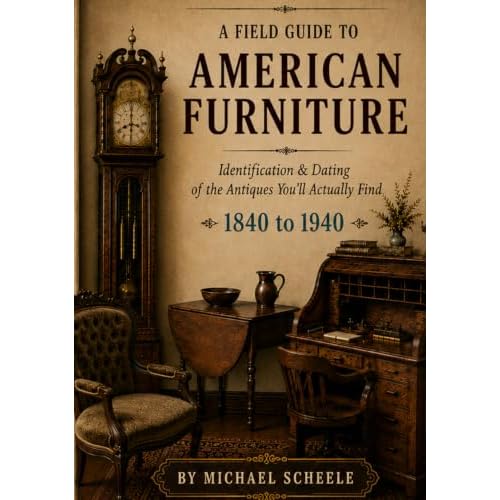

When examining notable designs from this period, look for elements such as curved lines, elegant detailing, and the use of mahogany, walnut, and other rich woods. Characteristics like delicate carvings and inlaid work are also significant indicators of authenticity and stylistic traits of that time.
For collectors, provenance plays a crucial role. If you encounter a piece, inquire about its history, previous ownership, and any documented evidence supporting its age. This information can provide invaluable insights and enhance its value in the marketplace.
It’s advisable to consult experts or appraisers specializing in early 20th-century designs to obtain a thorough assessment. They can identify features specific to that era and help establish a more precise timeline for the creation.
In addition, consider attending auctions or exhibitions focused on this trend to deepen your understanding of craftsmanship from that time. Engaging with knowledgeable individuals in the field will further enrich your appreciation of these exquisite works.
Identifying the Timeframe of Edwardian Design
Look for works crafted between 1901 and 1910. This period marks the reign of King Edward VII and serves as the defining era for the style. Mention of Queen Victoria’s influence can offer context, but focus on features exclusive to the Edwardian phase.
Key Characteristics to Spot
- Light, airy forms with graceful lines.
- Natural motifs; botanical prints or carvings are prevalent.
- Use of lighter woods such as oak and mahogany, often with lighter stains.
- Inlays and marquetry are common techniques for detailing.
- Fabrics like silk, damask, and lighter cottons, frequently having floral or delicate patterns.
Locating Authentic Pieces
- Inspect joinery: dovetails and mortise-and-tenon joints are traditional indicators.
- Examine maker’s marks or labels. Well-regarded manufacturers of the time often left distinctive stamps.
- Seek provenance; any documented history adds value and authenticity.
This era’s distinctive style allows for easier identification, provided one remains alert to these defining attributes. Always compare pieces with established references to ensure accuracy in dating the design of items in question.
Key Characteristics of Edwardian Styles
The period between 1901 and 1910 produced distinctive pieces that reflect elegance and simplicity. Notable traits include asymmetrical designs, lighter woods like oak and mahogany, and an emphasis on practicality along with decorative elements.
Design Elements
Typical characteristics involve:
| Feature | Description |
|---|---|
| Curves | Soft, flowing lines replaced the heavy, ornate embellishments of the previous era. |
| Materials | Use of lighter woods and textiles, with an inclination towards floral and nature-inspired patterns. |
| Fabrics | Silks, velvets, and lightweight cottons were frequently utilized in upholstery and drapery. |
| Inlays | Intricate inlays and marquetry often featured nature motifs, enhancing aesthetic appeal. |
Influences
British colonial expansion during this time introduced exotic materials and inspirations, influencing the stylistic direction. Japanese design elements also became increasingly popular, reflecting a broader art movement that sought simplicity and harmony with nature.
Dating Edwardian Furniture Accurately
To establish the period of your antique pieces, I recommend inspecting key features and construction methods. Focus on the following aspects:
- Materials: Look for woods like mahogany, walnut, or oak. High-quality finishes, such as veneers, were commonly used during this era. Any synthetic materials can indicate a more modern manufacture.
- Joinery Techniques: Check for traditional joinery methods, like dovetail joints and mortise-and-tenon construction. This craftsmanship reflects the time frame and quality.
- Hardware: Examine the handles, locks, and hinges. Older pieces typically feature brass or cast iron, whereas later designs may employ modern metals.
- Style Elements: Identify specific motifs such as floral carvings, curved lines, and intricate inlays. Styles like Arts and Crafts or Aesthetic Movement influenced designs during this period.
- Label or Markings: Look for manufacturer labels or stamps hidden within drawers or on the underside. These can provide critical information about the creator and date of production.
For further confirmation, cross-reference findings with reputable antique guides or consult with specialists. This will enhance the accuracy of your dating process significantly.
The Influence of Historical Events on Edwardian Furniture
Significant historical developments directly impacted design trends during the Edwardian period. The industrial revolution facilitated mass production, allowing access to intricate designs and improved materials at a lower cost. This transition enabled craftsmen to experiment with decorative styles, incorporating influences from various global sources.
The rise of the arts and crafts movement also left a mark, emphasizing hand-crafted elements and the use of natural materials. This movement encouraged a shift away from overly ornate styles prevalent in earlier periods, favoring simpler lines and functional design. As a result, pieces often feature lighter woods and more practical forms.
Another influential factor was the social change brought about by higher standards of living. The emergence of a prosperous middle class created a demand for more refined interior spaces. This socioeconomic shift encouraged the creation of versatile pieces, suitable for both elegance and everyday use.
World events, such as the impact of World War I, also shaped style preferences. After the war, there was a move towards a more subdued and practical aesthetic, reflecting a desire for comfort and stability. This resulted in softer colors and less extravagant ornamentation in crafted items.
The Edwardian era also coincided with the rise of the suffragette movement, which influenced household dynamics and decor. Women began seeking greater autonomy, reflected in the design of spaces that accommodated their evolving roles. Furniture often emphasized comfort and functionality, ensuring that it met the needs of a changing society.
In summary, the evolution of style during this period was closely linked to cultural shifts, technological advancements, and significant historical events. Each of these factors played a crucial role in determining the aesthetic and functional aspects of the pieces that define this distinctive era.
Popular Materials Used in Edwardian Furniture Production
Hornbeam and oak represent the primary woods utilized for crafting pieces during this period, owing to their durability and beautiful grain. Softwoods like pine also found their way into designs, particularly for less formal items. The quality of timber impacted both aesthetics and longevity; thus, carefully sourced materials were favored.
Upholstery Choices
Velvet and silk became popular fabrics for upholstery, adding luxurious textures to seating arrangements. These materials provided comfort and elegance, often enhanced with intricate patterns. Leather served as a durable alternative, particularly for high-traffic items, showcasing craftsmanship in stitching and detailing.
Iron and Brass Accents
Metal components, such as wrought iron and brass fittings, were common in Edwardian pieces. These materials complemented the wooden structure and added visual interest through decorative elements like hinges and drawer pulls. The interplay of metal and wood contributed to the overall style, reflecting the era’s aesthetic values.
Assessing the Value of Antique Edwardian Pieces
When determining the worth of classic items from the Edwardian period, I focus on several key aspects. The first step is to evaluate the craftsmanship; handmade pieces, particularly those that exhibit intricate details, command higher prices. I closely examine joints, wood quality, and finishes for any signs of superior artistry.
Next, rarity plays a significant role. I assess how many similar items exist within the market. Limited editions or unique designs often fetch a premium due to their scarcity. Researching auction records helps me gauge demand and pricing trends for specific types.
Condition is paramount; I inspect for any damages, repairs, or alterations. Well-preserved specimens, without unsightly modifications, are naturally more sought after. Restoration affects value, and I always consider the quality of any work done to an item.
Provenance is another factor. If I can trace ownership history or previous locations, this information boosts an item’s desirability. Providing documentation or certificates related to its past can significantly add to its appeal.
Market trends are essential as well. I follow current auctions and antiques fairs to understand what collectors are captivated by, which can change seasonally. This enables me to adjust my expectations on value based on current interest and economic factors.
Lastly, professional appraisals often provide insights that may not be immediately apparent. I consult with qualified experts to ascertain more intricate details or historical significance that could enhance an item’s market value.


