
 Caleb Turner
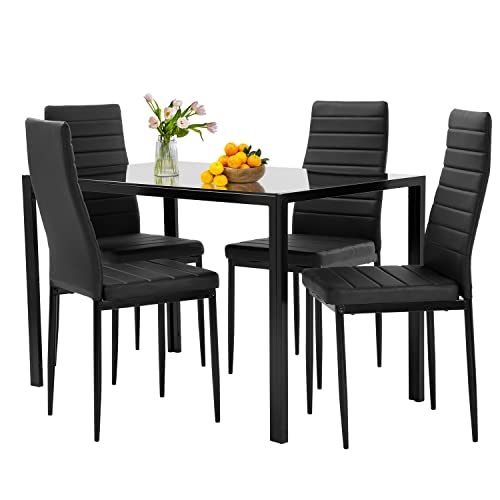
I recommend allocating approximately 20% of your overall budget for your living space to quality pieces that will create a cohesive atmosphere. For instance, if your total budget is $50,000, designating around $10,000 for items like sofas, tables, and beds can set a strong foundation.
Consider prioritizing essential components first. Start with larger items, such as seating and beds, as these have the most significant impact on comfort and style. Aim to invest around $3,000 to $5,000 in these crucial areas. Following that, explore decorative elements, enhancing the aesthetic appeal with about $2,000 to $3,000 on accessories like rugs, curtains, and art.
Don’t shy away from second-hand options or sales events. Quality pre-owned articles often provide excellent value without compromising style, allowing you to stretch your finances further. Budget around 10% of your total expenditure for such finds, ensuring you can maintain high standards while keeping costs manageable.


Finally, maintain flexibility in your financial planning. Keep an emergency fund within your furniture budget, approximately 5%-10%, to address any unforeseen purchases or adjustments during the setup of your living environment. This buffer will help you navigate unexpected expenses with ease.
Allocating Budget for Home Furnishings
Allocate around 20% to 30% of your home’s total value for all essential items. If your property is worth $300,000, aim for a budget between $60,000 and $90,000. Prioritize quality over quantity since durable pieces provide long-term savings.
Breakdown of Expenditures
- Sofas and Seating: 25% of your budget. Look for comfortable options that fit your lifestyle.
- Dining Tables and Chairs: 15%. Consider space-saving designs if your area is limited.
- Bedroom Sets: 20%. Invest in a durable mattress for better sleep quality.
- Storage Solutions: 10%. Bookshelves and cabinets should merge functionality with style.
- Decor and Accessories: 10%. Add personality without overspending by choosing statement pieces.
- Miscellaneous: 10%. Factor in rugs, lighting, and other enhancements.
Tips for Cost Management
- Shop during sales events like Black Friday or Memorial Day.
- Consider second-hand markets or flea markets for unique finds.
- Negotiate prices when possible to stay within budget limits.
- Create a list of must-haves before visiting stores to avoid impulse buys.
Assessing Your Overall Budget for Home Furnishing
Begin by calculating total finances available for setting up your living space. This includes income, savings, and any other funds allocated for this purpose. Aim for clarity by writing everything down.
Create a detailed list of necessary items based on each room. Prioritize essentials first, such as beds, seating, and tables. Add secondary items like decor and accessories later to keep initial costs manageable.
- Living Room: Sofas, coffee tables, entertainment units
- Bedroom: Beds, nightstands, dressers
- Dining Room: Dining tables and chairs
- Miscellaneous: Rugs, lighting, window treatments
Set spending limits per category based on how important each space is to your lifestyle. Consider average prices for each item using online resources or visiting local stores to gain insight into what fits your financial plan.
Consider the lifespan and durability of each piece. Investing more in high-quality items, although they may initially seem expensive, can save money long-term compared to frequently replacing low-cost items.
- Research prices for each needed item online.
- Check local marketplaces for second-hand options.
- Adjust your list based on trends and quality assessments.
Factor in additional expenses like delivery and assembly costs. These often surprise first-time buyers, so allocating a portion of the budget might help avoid ending up with unforeseen financial burdens.
Review and refine your budget regularly. Keep track of expenditures and adjust expectations where necessary. Consider seasonal sales and promotions to maximize savings without compromising on quality.
Finally, maintain flexibility. Prioritize must-haves versus nice-to-haves to ensure that your place feels welcoming without straining your wallet.
Prioritizing Essential Items for Each Room
Focus on critical pieces tailored to the function of each space. Living areas need seating and surfaces for gatherings, while bedrooms should prioritize comfort and rest. Kitchens require storage and preparation zones, alongside dining choices.
Room-by-Room Breakdown
| Room | Key Pieces | Recommended Allocation |
|---|---|---|
| Living Room | Sofa, coffee table, entertainment unit | 30% of total budget |
| Bedroom | Bed, mattress, nightstands | 25% of total budget |
| Dining Area | Dining table, chairs, buffet | 20% of total budget |
| Kitchen | Cabinets, counter stools | 15% of total budget |
| Home Office | Desk, ergonomic chair, storage | 10% of total budget |
Adjust allocations based on personal lifestyle and preferences. Ensure that each selected item not only fits well within the designated area but also meets functional demands. Quality over quantity is key; investing more in pieces that will be used daily will enhance long-term satisfaction.
Determining Average Costs for Different Furniture Categories
Allocating funds for seating options typically ranges from $300 to $3,000. Sofas, sectionals, and accent chairs have various prices based on materials and brand reputation.
Dining setups can vary frequently; basic dining tables can be found for around $200, while designer pieces may exceed $2,000. Dining chairs follow a similar pattern, costing between $50 and $300 each.
Bedroom elements, including beds, dressers, and nightstands, usually see expenditures between $150 and $2,500. A quality mattress often falls within the $300 to $1,500 range, depending on size and brand.
Storage solutions, like bookshelves and cabinets, generally average between $100 and $1,000. Custom-built options may push costs higher based on complexity and materials used.
Accessorizing the environment with rugs, curtains, and artwork adds varying amounts to the total investment. Rugs typically range from $50 to $1,500, while artwork can be much more subjective, with prices from $20 to thousands depending on the artist.
Considering outdoor items can also impact the budget. Basic patio sets range from $200 to $1,500, with high-end options priced significantly higher.
To estimate the total investment, I often advise summing the highest estimates for each category relevant to my space. For a living room, dining area, and bedroom, this might lead to a cumulative sum between $4,000 and $15,000 or more, depending on personal taste and quality sought.
Exploring Budget-Friendly Alternatives and Second-Hand Options
Consider checking local thrift stores and charity shops, where unique pieces often come at a fraction of retail prices. Online marketplaces like Craigslist, Facebook Marketplace, and OfferUp can yield great finds; many sellers offer gently used items that are in excellent condition.
Don’t overlook garage sales and estate sales in your neighborhood. These sales can lead to unexpected treasures, often sold at negotiable prices. Establishing rapport with sellers might even help you score better deals.
Refurbishing older pieces can also be an economical approach. A fresh coat of paint or new upholstery can transform worn items into stylish focal points. For DIY enthusiasts, this presents an opportunity to customize your space.
Participating in community swaps or bartering with friends can refresh your collection without spending any cash. This method encourages collaboration and fosters a sense of community while keeping costs down.
Finally, consider temporary solutions, such as renting. Furniture rental services offer flexibility, allowing you to test out different styles without committing long-term. This option is particularly useful during transitional periods or when settling into a new environment.
Understanding the Impact of Quality on Long-Term Investment
The longevity of items significantly affects their return on investment. Investing in high-quality pieces often results in savings over time due to reduced replacement frequency. For instance, a solid wood table may cost more initially but can last decades, while cheaper alternatives might require replacement every few years.
Consider durability when evaluating potential purchases. Look for materials like hardwood, metal, or high-grade upholstery, which typically withstand wear and tear. Research brands known for robust craftsmanship; warranties can also indicate a manufacturer’s confidence in their product.
Another aspect to weigh is comfort and functionality. High-quality seating may come with ergonomic designs that promote better posture, which can prevent health issues down the line. These investments promote well-being and may decrease future healthcare costs associated with back or joint problems.
Additionally, timeless designs tend to remain stylish longer, reducing the urge to redecorate frequently. Classic aesthetics paired with lasting materials can provide a solid foundation for any living space, minimizing the need for ongoing trends or fads.
Allocating a larger portion of your budget toward quality pieces is often wise. This strategy creates a solid base for your environment, ultimately enriching the experience of living in your space and ensuring satisfaction for years to come.
Setting a Timeline for Purchases to Manage Costs
I recommend creating a detailed schedule that outlines the timeline for acquiring various essential items. This approach allows for efficient financial planning and prevents unnecessary strain on your budget. Start with listing out items that need immediate attention, such as seating and sleeping arrangements, and allocate a specific time frame for purchasing each item.
Monthly Budgeting Strategy
Breaking down expenses monthly can facilitate smoother cash flow management. Assign percentages of your overall budget to different monthly objectives, allowing for larger purchases to be spread out over several months. For instance, focus on key seating and sleeping essentials in the first month, followed by dining and storage solutions in the subsequent months.
Seasonal Sales Consideration
Monitor seasonal sales events to capitalize on discounts and promotions. Black Friday, Memorial Day, and New Year sales often provide substantial savings. By planning purchases around these times, I can secure items at reduced prices, ultimately minimizing my total expenditure while achieving desired aesthetics and functionality.
FAQ:
How much should I budget for furniture when moving into a new house?
The budget for furniture can vary significantly based on personal preferences and the size of your home. A reasonable estimate might be around 20% to 30% of your home’s purchase price. For example, if your house costs $300,000, you may want to set aside $60,000 to $90,000 for furniture. However, if you’re looking for a more minimalist or budget-friendly approach, starting with key pieces such as a sofa, dining table, and bed can allow you to spend less initially and gradually add more items as needed.
What are some tips for prioritizing furniture purchases for a new home?
When prioritizing furniture purchases, focus on the essentials first. Start with items you need daily, like a bed, sofa, and dining table. Consider the layout of your space and how you will use each room. It’s also wise to assess your budget—splurge on high-quality items for frequently used furniture and save on items that are less critical. Gradually add decorative pieces and accent furniture to enhance the space over time.
What types of furniture are considered must-haves for a new house?
Must-have furniture typically includes key items for each room: a comfortable bed, a sofa for the living room, a dining table and chairs for eating, and perhaps a desk for a home office. In addition, consider storage solutions like dressers or bookshelves to help maintain organization in your new space. As your home evolves, you might choose to add other furnishings based on your lifestyle and tastes.
How can I save money on furniture without compromising quality?
To save money on furniture while still ensuring good quality, consider shopping during sales events, exploring thrift stores or consignment shops, and checking online marketplaces for gently used items. Investing time into research can also pay off; reading reviews and comparing prices can help you find the best deals. Additionally, if you’re crafty or enjoy DIY projects, consider purchasing unfinished furniture and customizing it to your liking.
Is it advisable to buy furniture all at once, or should I take my time?
While buying furniture all at once might seem convenient, it’s often better to take your time. Collecting items gradually allows you to choose pieces that truly fit your style and needs, preventing impulsive purchases that you may regret later. Living in the space can also give you a better sense of what furniture works best, as you adapt to your new surroundings. This method also helps manage your budget more effectively.


