
 Caleb Turner

Investing between $50 and $150 for a quality protective cover ensures longevity and durability in outdoor seating and tables. Selecting the right material, such as polyester or vinyl, significantly impacts the effectiveness of this investment.
For larger sets, including sectionals or dining groups, expect to pay between $100 to $300 for comprehensive coverage. Always measure your items first to avoid miscalculations and additional costs. If you’re considering a custom solution, the price can rise depending on specific dimensions and fabric selection.


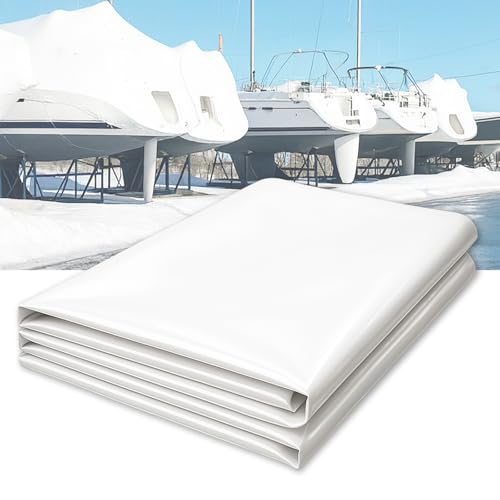
Take into account seasonal weather patterns in your area; regions with harsher winters might necessitate thicker, more robust materials, which can affect the final price. Prioritize UV resistance to prevent fading and mold resistance to avoid damage from moisture; these features are typically worthwhile features in any protective covering.
Determining the Size of Your Outdoor Furniture Pieces
To achieve a proper fit, I measure each item meticulously, including the width, depth, and height. For chairs and tables, I account for any curvature or unique shapes that may affect the dimensions. Using a flexible measuring tape allows me to capture accurate figures, especially for irregularly shaped items.
Creating Templates
I find it helpful to create templates or outlines of each piece based on my measurements. This practice enables me to visualize how much protective material will be required and ensures I don’t underestimate the size needed for full coverage. I use cardboard or large sheets of paper to outline these shapes, providing a clear reference for the wrapping process.
Estimating Additional Material
Including a margin for overlap, particularly around leg bases or corners, is crucial. I typically add an extra 10-15% to my estimates to ensure that I have sufficient material to cover unforeseen gaps or awkward angles. This step reduces the likelihood of needing to readjust or add more protective layers later on.
Calculating the Amount of Shrink Wrap Needed
To determine the quantity of plastic sheeting required, begin by measuring each piece of your patio setup. Gather the dimensions of chairs, tables, couches, and any accessories. It’s crucial to include height, width, and depth for all items to ensure complete coverage.
Estimating Total Coverage
After recording the sizes, calculate the total surface area. Multiply the height by the width of each piece, and then sum all individual areas. Remember to add extra material for overlapping sections and securing the wrap. Typically, an additional 20% is advisable for this purpose.
Calculating Roll Length
Standard rolls of plastic vary in width, commonly around 20 inches. Divide the total surface area by the width of the roll to find how many lengths you’ll need. This will give you the total length required. If you plan to secure additional items, take that into account as well to avoid running short.
Finally, consider the layers applied; thicker applications will necessitate more material. Keeping these calculations in mind ensures adequate protection for your outdoor items while minimizing waste. Accurate measurements yield a well-prepared cover-up for unpredictable weather conditions.
Choosing the Right Thickness of Shrink Wrap
I recommend opting for a gauge of 7 mil to 20 mil for safeguarding your patio pieces against various weather conditions. A 7 mil thickness is ideal for light protection, while 12 mil offers robust shielding against rain, snow, and UV rays. For high-stress areas or when heavy snow is expected, consider a thicker option, such as 20 mil.
Factors Influencing Thickness Selection
The primary determinants for selecting the appropriate thickness are local climate and the specific type of items you plan to cover. If your area experiences extreme winds, a thicker option can withstand the elements better. For more delicate items, a 7 mil layer provides enough protection without being overly cumbersome.
Cost Consideration
When assessing pricing, remember that thicker materials can lead to higher expenses, but they often provide enhanced durability. Balance your budget against the level of protection you need. Investing in a sturdier option may reduce future replacement costs due to damage incurred from the environment.
Estimating Labor Costs for Shrink Wrapping
I recommend considering various factors to accurately gauge the expenses associated with wrapping your items. First, assess the complexity of the task. If the pieces are large and require intricate handling, you should expect higher labor costs. Simple configurations typically take less time, thus lowering the overall fee.
Hourly Rates
Labor charges generally fall between $30 to $75 per hour, depending on your location and the service provider’s experience. For straightforward projects, you might estimate around 1-2 hours of labor. However, more technical tasks may require up to 4 or 5 hours, especially if there are multiple items or if they are oversized.
Factors Influencing Labor Time
The number of pieces you need handled directly impacts duration and, consequently, costs. Additionally, environmental factors–such as windy conditions or uneven surfaces–can complicate the process, leading to greater labor time. Always account for these variables when negotiating to ensure an accurate financial projection.
Understanding Environmental Impact on Shrink Wrap Longevity
Choosing the right location for the application is key. I recommend avoiding direct exposure to harsh sunlight, as UV rays can significantly reduce the lifespan of the material. Shade or a covered area can extend the protective qualities.
Moisture and Temperature Variations
High humidity can lead to condensation, which may compromise the integrity of the material. It’s advisable to monitor forecasted weather conditions when planning a sealing project. Extreme temperatures, both hot and cold, can also affect the durability; applications in moderate temperatures usually yield better results.
Material Composition
Selecting a high-quality material can make a significant difference. Look for options that have UV inhibitors and are designed for extended outdoor use. These additives enhance resistance to environmental factors, thereby prolonging functionality. Check if the manufacturer specifies a recommended lifespan under typical exposure conditions.
Factors Influencing Shrink Wrap Pricing
Several elements contribute to the pricing of protective covering materials for outdoor items. Understanding these factors can assist in budgeting and planning your project effectively.
Material Quality
The grade of the material significantly impacts cost. High-density options provide enhanced durability but come with a higher price tag. Cheaper alternatives may offer less protection, which could necessitate more frequent replacements.
Geographic Location
Pricing varies regionally due to factors like local demand and labor rates. Areas with harsher climates may see higher costs for quality materials that can withstand extreme weather.
Market Trends
Stay updated on fluctuations in material costs. Economic conditions can drive prices up or down, influencing your overall expenditure.
Customization Needs
- Specific sizes or adaptations will increase material use and labor time, raising overall expenses.
- Unique designs that require specialized techniques can also enhance the final invoice.
Project Size
Larger projects naturally lead to increased material costs. Bulk purchasing may offer discounts, effectively lowering the price per unit. However, consider the potential for wastage with larger items.
Labor Rates
Hiring skilled hands can vary widely. Labor costs may increase based on the contractor’s expertise and the complexity of the job. Always compare quotes to find competitive rates.
Seasonal Demand
Pricing tends to fluctuate seasonally. During peak seasons, you may encounter escalated prices due to heightened demand.
Being aware of these facets will help in making informed decisions regarding budget and planning for protective covering of your belongings.
Tips for DIY Shrink Wrapping at Home
Begin by gathering the necessary materials: high-quality film, a heat gun, scissors, and a measuring tape. Ensure the area is clear and dry to facilitate a smooth application process.
Preparation Steps
- Clean your items thoroughly to prevent dirt or moisture from sealing in.
- Disassemble any removable parts to create a compact package.
- Use padding, like bubble wrap, on sharp edges to avoid tears in the film.
Application Techniques
- Start by loosely covering the item with the film, allowing enough excess to secure folds.
- Use the heat gun on a low setting to gently shrink the material, working from one end to the other.
- Overlapping layers can provide extra protection; ensure they are sealed tightly by applying heat to both edges.
Regularly check for tightness as you apply heat; avoid overheating, as this can damage the film.
For a finished look, trim any excess material carefully after the shrinkage process.
Consider practicing on less valuable items to perfect the technique. This ensures a more effective result on your main pieces, extending their lifespan during storage.
When to Hire a Professional for Shrink Wrapping Services
Choosing to enlist expert assistance for protective covering of your outdoor items can save time and ensure quality. If you encounter any of the following scenarios, consider hiring a specialist:
- Large or Complex Pieces: If your belongings are quite sizable or have intricate designs, professionals have the tools and expertise to handle them with precision.
- Time Constraints: When personal time is limited, outsourcing this task can allow you to focus on other responsibilities while ensuring protection.
- Severe Weather Conditions: If preparing for extreme conditions is necessary, a trained team can provide better insulation techniques than DIY methods.
- Lack of Equipment: If you do not own a heat gun or industrial-grade film, a professional service will have access to higher quality materials and equipment.
- Uncertainty in Technique: If you’re unsure about the best practices for effective sealing, leveraging expert skills leads to superior outcomes and better longevity.
To facilitate the decision-making process, I’ve compiled a table to outline potential costs associated with hiring professionals versus seeking a DIY approach:
| Service Type | Estimated Cost | Pros | Cons |
|---|---|---|---|
| Professional Service | $200 – $600 | Expertise, efficiency, quality materials | Higher upfront cost |
| DIY Approach | $50 – $150 | Lower cost, hands-on experience | Time-consuming, possible mistakes |
Overall, evaluating your needs against these factors will guide you in deciding whether to engage professionals for this protective task.


