Caleb Turner

Anticipate spending between $50 to $200 for the disposal of a single piece, depending on size and condition. For larger items like sofas or mattresses, you might encounter fees from $75 to $150 due to increased handling and transportation needs.
Using local services can provide tailored pricing as well. Many communities offer curbside pickup for less bulky objects at minimal or no cost, while junk removal companies generally charge based on volume. Expect to pay about $100 to $500 for full truckloads, varying by location and company reputation.
For a more eco-friendly option, consider donation or recycling, which often incurs no fees. Charitable organizations frequently pick up larger items at no charge, promoting a sustainable approach while saving on disposal costs. Check with local charities for specifics.
Cost Breakdown for Disposing of Household Items
Assess the weight and volume of the items you plan to discard. Generally, the expense varies with the quantity and bulk. For small loads (1-2 pieces), the standard fee often falls between $75 and $150. If handling larger quantities or bulkier items, like sofas or refrigerators, costs can escalate to $200 or more, depending on local disposal regulations.
Consider additional charges for services such as loading or transportation. Some companies may offer free estimates, allowing you to gauge expenses beforehand. Also, check if recycling options exist; this can reduce fees while supporting sustainable practices.

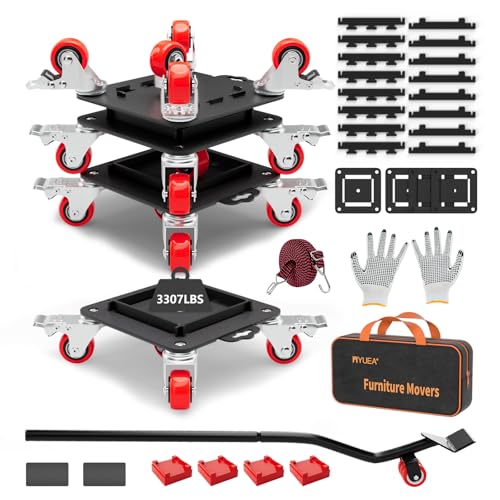
For heavy items, always inquire about extra charges related to stairs or elevators. If you can dismantle items, doing so could also lead to lower fees. Additionally, compare various providers to ensure a competitive rate.
Finally, keep an eye out for community events where residents can drop off unwanted items for free, potentially saving you money while clearing space.
Assessing the Value of Your Furniture
To determine the worth of your items, first consider their original price and age. High-quality pieces generally maintain better value over time, while mass-produced items depreciate quickly. Look for the brand and any specific features that may enhance desirability.
Condition Evaluation
Inspect each item for damages, wear, and overall condition. Minor scratches may not significantly impact value, but major damages can reduce it drastically. If repairs or cleaning could improve their appeal, factor in those potential costs.
Market Considerations
Research similar products on online marketplaces. Check listings to find current selling prices; this provides insight into realistic expectations. Seasonal trends can also affect demand–certain styles may be more popular at different times of the year.
Calculating Removal Costs Based on Volume
To gauge expenses linked to clearing space, assess the volume of items involved. I begin by measuring each piece. It’s helpful to calculate the total cubic feet occupied by the items I plan to clear out. This can be done using the formula: length × width × height for each object.
Once I have the cubic volume for all items, I gain a clearer picture of the overall load. Most services charge by volume, so this analysis helps me estimate costs more accurately. For example, typical rates often range from $50 to $150 per cubic yard depending on location and type of service.
In addition to calculating volume, I must factor in any extra charges that may arise. These could include:
| Cost Factor | Details |
|---|---|
| Access Fees | Charges for items on higher floors without elevator access. |
| Special Handling | Fees for delicate or heavy objects requiring careful transport. |
| Disposal Costs | Fees for disposal of certain materials that require special attention. |
I also examine the condition and market value of the items I’m considering for clearance. Assessing these factors can impact my decision on whether to sell, donate, or dispose of certain pieces. It’s often more economical to declutter responsibly, so I evaluate all options before proceeding.
This approach allows me to make informed choices and accurately budget for the clearing process. By understanding how to calculate costs based on volume, I ensure I am prepared for the financial aspects of this undertaking.
Choosing the Right Removal Service for Your Needs
Prioritize researching local companies with proven track records in logistics and transportation. Collect at least three estimates based on your unique requirements. Pay attention to services offered, including packing, hauling, and disposal, ensuring they align with what you need.
Check for Licenses and Insurance
Always verify that the service operates legally by checking licenses and insurance coverage. This protects you from potential liabilities and ensures your belongings are handled by professionals.
Assess Reviews and References
Analyze customer feedback on platforms like Google, Yelp, or specialized forums. Reach out to past clients if possible to gain insights into their experiences. A service with positive reviews is likely to meet your expectations.
Estimating Time Required for Furniture Removal
I recommend evaluating each piece to anticipate the timeframe for relocation. Generally, consider these factors:
Item Size and Weight
- Small items: 15-30 minutes per piece.
- Medium items: 30 minutes to 1 hour.
- Large or heavy items: 1-2 hours, or more depending on complexity.
Accessibility and Location
- Easy access: Residential homes with no stairs or obstacles can cut time significantly.
- Challenging access: Stairs, narrow hallways, or tight doorways may increase labor by 10-30 minutes per item.
Also, factor in the number of individuals assisting. More hands can expedite the process, while solo efforts will require extra time. Planning logistics in advance helps streamline the operation. Preparing tools and equipment beforehand enhances efficiency, reducing potential delays. Always allocate buffer time for unexpected hurdles, especially if items require disassembly.
Keep a checklist for all items, assessing each piece’s removal duration, allowing for a more accurate overall estimate.
Understanding Additional Fees and Charges
Additional expenses can significantly impact the total cost of your project. Before settling on a service, it’s essential to clarify any possible surcharges or hidden fees. Often, companies may charge for stairs, heavy items, or the distance between the property and the transport vehicle. Make sure to inquire whether these factors will be included in the base price or if they will incur extra charges.
Check if there are cancellation fees or charges for rescheduling the appointment. Many businesses have specific policies in place, and understanding them will help avoid unexpected costs.
Inquire about fuel surcharges, particularly if the distance to your location is considerable. Some organizations incorporate these fees directly into their pricing, while others may apply them as a separate charge. Clarifying this ahead of time can prevent unpleasant surprises.
Request a detailed breakdown of all potential costs before making a final decision. This way, I can make informed comparisons and avoid choosing a service based solely on initial pricing that may lack transparency.
Lastly, consider the time of year for your project. During peak seasons, demand may escalate, prompting some businesses to raise their charges. Understanding this aspect allows for better planning and may provide opportunities for negotiation.
Tips for Maximizing Your Furniture Removal Budget
I recommend thoroughly researching options prior to making decisions that impact costs. Start by obtaining multiple quotes from various services to compare prices accurately.
- Consider using local businesses rather than large chains; they often offer competitive rates and personalized service.
- Ask about hourly rates versus flat fees and determine which best suits your situation based on the size and complexity of the task.
- Inquire about discounts for off-peak times. Scheduling removals during weekdays or non-peak seasons can decrease total expenses.
Assessing volume is pivotal in establishing an accurate financial plan. Measure each piece meticulously and calculate the total space required in the transport vehicle.
- Use an online calculator to estimate space and weight to give you a better grasp of potential charges.
- Consider dismantling larger items yourself to reduce the amount of space needed, hence lowering potential costs.
If you have items in good condition, explore resale options before removal. Selling through platforms like online marketplaces can offset some removal expenses.
- Negotiate with buyers on pick-up arrangements; they might assist in transporting items.
- Donate to charity organizations that offer free pick-up services, transforming costs into tax deductions.
Clear communication with your selected service is vital. Provide a detailed inventory list and indicate any heavy or oversized items that require additional manpower. This transparency can prevent unexpected charges due to last-minute changes.
Lastly, always review the fine print regarding fees. Understand the terms before committing, as some companies may add surcharges for stairs, long distances from the vehicle, or unusual item handling.