Caleb Turner

I’m allocating approximately 20% of my total budget to essential pieces that I know will enhance both comfort and functionality in my living area. This amount typically translates to around $2,000 for a mid-range setting. This figure includes crucial items like seating, a bed, and a dining investment.
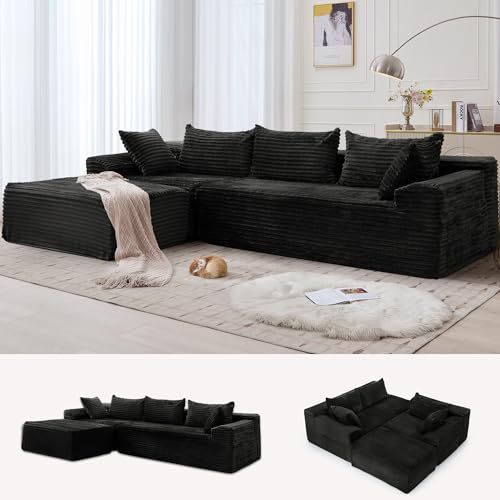
When prioritizing your expenses, I recommend focusing on quality over quantity. Spending between $700 to $1,200 on a good mattress is advisable, as it can significantly impact your well-being. For seating, I usually aim for around $500 to $800 on a sofa or sectional that balances style and durability.
In terms of accessories and decor, a budget of $300 to $600 can go a long way to personalize the space. Items like rugs, curtains, and lamps often play a pivotal role in elevating the ambiance. Keeping these figures in mind helps me create a comfortable and inviting environment while staying within a reasonable financial framework.


Investment Guidelines for Home Decor
I allocate around $5,000 to $10,000 for essential items such as seating, tables, and storage solutions. This budget aims to strike a balance between quality and functionality without compromising aesthetic appeal.
Item Breakdown
For seating, I prefer investing at least $1,500 on a comfortable sofa or sectional. Dining arrangements typically require $800 to $1,200 for a solid table and chairs, while a bed frame and mattress can range from $1,000 to $3,000, depending on preferences for comfort and brand.
Budget Variation Based on Style
Minimalist designs often require less expenditure, revealing a range of options under $500 for decor and accessories. In contrast, a more lavish approach may push budgets toward $15,000 or beyond, particularly with designer pieces and unique artifacts.
Ultimately, I assess my priorities–choosing essential items first, followed by decor elements, to create an inviting space.
Understanding Your Budget Limitations
To successfully execute this process, I recommend defining a clear financial ceiling before proceeding with any purchases. An immediate assessment of monthly income alongside fixed expenses can provide a realistic view of what remains for personal items. Aim to allocate around 20-30% of your disposable income for this venture.
Evaluate the current market trends in your locality. Local retailers, online shops, and second-hand stores often have varying price levels. Researching these options can enable better decision-making and potentially save money.
Prioritize essential items. Start with the essentials such as seating, sleeping arrangements, and dining solutions. By focusing on the most crucial aspects first, I can avoid overspending on non-essential pieces that may not be immediately necessary.
Consider quality over quantity. Investing in durable items may lead to longer-term savings since replacements typically incur higher costs. It’s beneficial to look for multi-functional pieces that can serve multiple purposes, maximizing use and minimizing future expenses.
Keep an eye out for seasonal sales and discounts. Timing purchases strategically can significantly reduce costs. Keeping a list of desired items and waiting for sales events can stretch the budget further.
Utilizing budgeting tools or apps can aid in maintaining financial discipline. Tracking every dollar spent on home essentials ensures that I remain within a designated limit while making informed choices.
Assessing Essential vs. Optional Items
I recommend prioritizing key pieces that contribute to comfort and functionality before considering decorative or additional items. A bed, sofa, dining table, and chairs typically rank at the top of the necessity list. Each serves a specific purpose, ensuring livability day-to-day.
After addressing basic needs, I assess optional items based on personal lifestyle and available space. Items such as accent chairs, bookshelves, or decorative art can enhance the ambiance but are not mandatory. I suggest creating a ranked list to help distinguish between must-haves and nice-to-haves.
Consider measuring your area and understanding layout efficiency to avoid overcrowding. This strategy also helps in selecting multifunctional pieces–like storage ottomans or extendable dining tables–that maximize utility.
Establish a timeline for acquiring optional items. This approach allows me to adapt my spending as I settle into my living space, giving room to evaluate what I truly enjoy and need. By focusing initially on foundational pieces, I lay the groundwork for a comfortable environment, where I can later introduce additional elements without feeling rushed or constrained financially.
Evaluating Quality vs. Cost in Furniture Choices
The focus on durability is paramount. Invest in items that offer solid construction and quality materials, as these will withstand daily wear and can save money in the long run due to lower replacement rates.
Seek brands with positive reviews regarding longevity and user satisfaction. Reading customer feedback can provide insight into how well a product withstands time and use.
Consider the purpose of each piece. Items that serve foundational roles, like a bed or sofa, deserve higher investment compared to decorative pieces that might be less frequently used.
Research available materials; for instance, hardwoods generally offer better longevity than softwoods or particleboard. Acquiring pieces made from upholstery fabrics known for durability, such as leather or tightly woven synthetics, can minimize the need for frequent replacements.
Explore the warranty options. Quality items often come with extensive warranties, indicating manufacturers’ confidence in their products. It may also reflect lower long-term costs if repairs or replacements are needed.
Compare items across different stores and online platforms. Price variations exist, and analyzing the cost against quality can reveal excellent deals on higher-end pieces when they are discounted.
Don’t overlook second-hand options. Thrift stores, online marketplaces, or estate sales can yield high-quality finds at significantly lower prices compared to buying new.
Finally, balance aesthetic appeal with functionality. It’s easy to be drawn to stylish designs, but if a piece lacks comfort or practicality, it may lead to disappointment over time, negating the initial investment.
Calculating Furniture Costs Based on Room Size
I recommend allocating funds according to the dimensions of each space. Begin by determining the area of every room and categorize them as small, medium, or large. Use the following guidelines for a rough estimate:
- Small Rooms (up to 100 sq. ft.): Expect to invest around $700 to $1,200. This typically includes essentials like a bed, desk, and seating.
- Medium Rooms (100-200 sq. ft.): A budget of $1,200 to $2,500 is reasonable. Incorporate additional items such as side tables, shelving, and more comprehensive seating options.
- Large Rooms (200 sq. ft. and above): Consider budgeting between $2,500 and $5,000. Larger spaces allow for various layouts and style choices, including multiple seating arrangements and decorative elements.
Next, assess the type of items needed within each space:
- Living Area: Focus on quality seating and storage solutions. A sofa can range from $600 to $3,000 depending on the material and brand.
- Bedroom: A solid bed frame and mattress set typically costs between $300 and $2,000. Additional pieces like dressers or nightstands may range from $150 to $600 each.
- Dining Space: Basic dining sets are often available from $250 to $1,500. Consider additional elements like chairs or a buffet if space allows.
Lastly, keep in mind that a well-planned layout can minimize costs by reducing the number of needed pieces. Prioritize multi-functional items to save money and maximize usability.
Exploring Secondhand Options for Budget-Friendly Furniture
I recommend checking local thrift stores, online marketplaces, and garage sales for affordable items. Many hidden gems can be found at these places at a fraction of retail prices.
The following table outlines some popular platforms for used goods, including their strengths and potential drawbacks:
| Platform | Pros | Cons |
|---|---|---|
| Facebook Marketplace | Wide variety, local options, easy communication | Inconsistent quality, potential scams |
| Craigslist | Good deals, direct contact with sellers | Safety concerns, requires careful vetting |
| Thrift Stores | Inexpensive, supports local charities | Limited selection, variable condition |
| OfferUp | User-friendly app, secure transactions | Quality varies, storage issues for large items |
| eBay | Global reach, auction options | Shipping costs, bidding can be competitive |
Pay attention to items with minor wear or cosmetic issues; they can often be refurbished or easily cleaned. Create a checklist of what you need, including measurements, and regularly visit these outlets to increase your chances of finding affordable pieces.
Remember, negotiating the price is common practice in secondhand transactions. Don’t be afraid to make an offer below the listed price; many sellers expect it.
By considering previously owned options, I can significantly stretch my budget while creating a unique and personalized living space.
Timing Your Purchases for Seasonal Discounts
Target key retail periods, such as Black Friday, Memorial Day, or Labor Day, to maximize savings on various pieces. Planning purchases around these events can reduce expenses significantly, often up to 50%. Early January is another strategic moment; many retailers clear out inventory after the holiday rush, offering markdowns on multiple items.
Stay alert for specific sales events linked to local holidays or clearance sales. January and July often see stores cycling their stock, providing further markdown opportunities. Additionally, online retailers may offer flash sales that last just a few hours, making it worthwhile to subscribe to newsletters or follow brands on social media for real-time updates.
Consider off-season shopping, too. Purchasing outdoor items in late summer can yield substantial discounts. Waiting until winter to buy seasonal décor typically results in lower prices. Keeping track of inventory turnover cycles will assist in determining the best time to buy particular items.
Finally, leverage loyalty programs and credit card rewards to obtain even greater savings. Some retailers offer exclusive deals to members during certain times of the year, further enhancing the affordability of crucial additions to your living space.
Prioritizing Furniture for Different Lifestyle Needs
Identify key pieces that align with personal habits and daily routines. Analyze essential requirements based on lifestyle. For example:
- Active individuals might prioritize versatile items, such as sofas that convert into beds or storage ottomans.
- Work-from-home setups need functional desks and ergonomic chairs, ensuring comfort during long hours.
- Those with families should consider sturdy, easy-to-clean materials and kid-friendly designs.
- Minimalists may focus on fewer, multifunctional objects that save space while maintaining style.
- Entertainers often seek larger dining tables and comfortable seating arrangements.
Assess personal preferences. Do you value aesthetics over practicality, or vice versa? This will guide decisions on features like color, size, and material. Take into account:
- Frequency of use: Regularly used items deserve higher investment.
- Long-term plans: If you foresee a lifestyle change, factor in flexibility of choices.
- Style evolution: Flexible designs can adapt to changing tastes.
Incorporate elements that reflect your personality while meeting necessary functions. Balance comfort and utility without compromising on personal style.
Be realistic about limits; prioritize based on how much time you spend in each area.