
 Caleb Turner
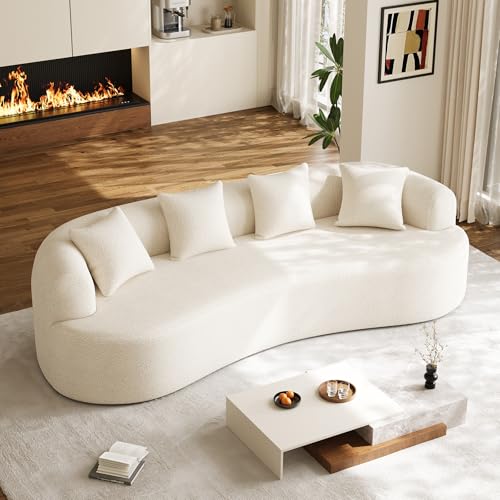
If you want to know percentages, around 60% of items find a new home in transformations. Some pieces are retained for their character, while others are simply more practical. Prioritize quality over quantity; unique artifacts often become focal points in revamped spaces.
Perform a detailed assessment of each room’s aesthetic. Items that align with the new vision should be kept. For example, vintage chairs might fit perfectly into a modern design. Be prepared to make tough decisions; sometimes, letting go of dated pieces allows for refreshing new acquisitions.
Keep an eye on budget constraints. Bulk purchases can lead to savings, but ensure that they enhance rather than overshadow existing decor. Consider storage options for beloved yet out-of-place items. These can always be reintroduced later or reimagined with a touch of creativity.
Retention of Interior Pieces on Fixer Upper
Typically, around 50% of the items showcased during episodes remain with homeowners. This assortment often includes key elements like couches, tables, and lighting fixtures specifically chosen for aesthetic appeal and functionality in the transformed spaces.
It’s advisable to confirm with the production team for any special requests regarding specific components, as some selections may vary based on individual preferences or budget constraints.


In many instances, viewers notice that popular styles and designs can be replicated, allowing homeowners the option to acquire similar items post-renovation, ensuring a cohesive look that reflects their personal style.
Always consider space functionality and personal taste when selecting which pieces to keep. Make sure to assess how each item aligns with your vision for the home and contributes to a comfortable atmosphere.
Furthermore, reaching out to local retailers or visiting online marketplaces can help replicate the aesthetic from the show while allowing for customization to fit specific needs.
Understanding the Furniture Removal Process
For optimal outcomes, prioritize defining items for removal ahead of time. A detailed inventory assists in identifying what can stay and what necessitates removal. This decision can streamline efforts and mitigate potential complications during renovations.
Begin with creating a clear timeline for each phase of the project. Allocate specific days for removing items, which allows for proper planning and coordination with contractors involved in the transformation. Consistent communication with all parties can eliminate confusion.
Consult with professionals regarding the logistics of moving larger pieces. Certain elements may require special handling or disposal methods. Coordination with local charities for donation, selling through platforms, or hiring junk removal services can also be effective routes for unwanted items.
Prioritize safety during the packing and moving process. Use appropriate materials, such as bubble wrap and sturdy boxes, to ensure protection of belongings. If necessary, enlist help from friends or hire a specialized service to assist with cumbersome pieces.
| Step | Description |
|---|---|
| Assessment | Evaluate what will remain and what needs to go. |
| Inventory Creation | Document items intended for removal. |
| Timeline Development | Establish a schedule for removals and packing. |
| Coordination with Services | Contact movers, charities, or junk removal services. |
| Execution | Carefully pack and remove items as planned. |
By approaching this process methodically, preparation can significantly reduce stress and streamline transitions during renovations. A well-organized approach leaves more room for creativity and efficiency in redesigning the space.
Factors Influencing Retention of Home Decor
Several elements determine which items remain after a renovation project. Personal preference plays a significant role; sentimental value attached to certain pieces can sway decisions.
Functional usability is another critical aspect. If an item serves a distinct purpose or enhances the overall practicality of a space, its chance of retention increases significantly.
Condition affects choices profoundly. Well-maintained items that align with the envisioned aesthetic often find a place in the updated design. In contrast, worn or damaged pieces typically face removal.
Cost considerations also influence selections. Budget constraints may limit the ability to invest in new elements, prompting retention of existing items due to financial practicality.
Lastly, design coherence is pivotal. Elements that harmonize with the new style or theme more likely remain, whereas mismatched or outdated decor is often discarded or replaced.
Common Types of Furniture Left Behind
Antique pieces often remain within renovated spaces due to their unique charm and historical value. Buyers appreciate these items, as they add character to any setting.
Another frequent sight is mid-century modern designs, which appeal to a wide audience. Their sleek lines and functionality make them desirable, encouraging sellers to leave them behind for new owners to enjoy.
Additionally, upholstered items, particularly sofas and chairs, may be left due to their substantial condition or personalized nature. New inhabitants may find these pieces already aligned with their tastes or home aesthetics.
Coffee tables, especially those with distinct designs or materials, often remain due to their practicality and eye-catching presence. Owners frequently choose not to remove them since they serve as centerpiece elements in living areas.
Dining sets can also be commonly observed in abandoned renovations, especially when they blend well with existing decor. These often contribute to a cohesive dining experience for incoming residents.
Outdoor materials such as patio sets or garden benches frequently stay behind, as they withstand weather elements and enhance outdoor enjoyment. They represent both a functional and aesthetic addition to yards or terraces.
Finally, storage solutions, including cabinets and shelves, tend to be left due to their utility. New occupants welcome such organizational tools, simplifying their move-in process.
Identifying Custom Pieces and Their Fate
When evaluating custom items within a property, prioritize assessing their design, craftsmanship, and fit for upcoming renovations. Quality pieces often attract attention; therefore, my first step involves inspecting any handmade or unique items that showcase notable features such as intricate detailing or unusual materials.
Next, I categorize these pieces based on functionality. Are they integral to the home’s layout, or do they merely serve a decorative purpose? Functionally essential items are likely to remain, while non-functional ones face a higher chance of replacement.
Additionally, consider the emotional connection associated with certain pieces. Family heirlooms or items with sentimental value frequently warrant special attention during the decision-making process, often leading to their retention despite aesthetic changes.
Prior to finalizing my choices, I consult with contractors or designers to ensure selected pieces align with my vision. Their insights can be invaluable when determining whether a unique item melds seamlessly with the intended aesthetic, or if it becomes an outlier.
Ultimately, documenting the decision-making process concerning these custom creations remains crucial. This record can assist in negotiations with suppliers and clarify what is expected in future projects, ultimately enhancing overall satisfaction with the end result.
Inquiring About Items During a Home Tour
Direct questioning is key. Approach your guide with specific inquiries about items of interest. Use clear language to identify what you want to know regarding potential inclusions in your purchase.
- Ask about specific pieces: Mention particular items and ask if they are available for sale or included in the deal.
- Clarify ownership: Inquire whether the items belong to the seller or the staging company.
- Express your interest: If there’s a unique or valuable item, communicate that you’re keen on it, which may influence negotiations.
Keep in mind any condition or aesthetic preferences of the items. Requesting information about maintenance or replacement can also be valuable.
- Condition: Ask about wear and tear, which can impact your decision.
- Replacement: Inquire if replacements for significant pieces are available if you choose not to retain certain items.
Document your questions and the responses. This information is vital for reference as you consider your options post-tour.
Impact of Furniture Choices on Home Value
Selecting high-quality and appealing items can significantly enhance property worth. Opting for modern or timeless designs can attract potential buyers and create a lasting impression. Materials matter; natural wood or durable fabrics often signal traditional craftsmanship, while contemporary pieces can emphasize minimalistic aesthetics.
Influence of Style and Brand
The style and brand of contents play a pivotal role in determining appeal. Notable brands signify reliability and status, thus elevating perceived value. Moreover, a cohesive style throughout spaces contributes positively. Mismatched or outdated pieces detract from the overall appearance, making a space feel less inviting.
Condition and Maintenance
Well-maintained items reflect care, influencing buyers’ perceptions. Wear and tear can lead to negotiation pitfalls, as prospective clients might factor potential replacement costs into their offers. Regular cleaning, minor repairs, and timely updates can ensure that items complement rather than detract from real estate interests.


