Caleb Turner

For those preparing for a new arrival, investing in cribs, changing tables, and storage solutions typically ranges from $200 to $1,500 or more, depending on brand and quality. Mid-range options can be found in the $500 to $800 bracket, balancing durability with aesthetics.
In terms of safety standards, opting for certified items contributes to peace of mind. Many parents appreciate the longevity of convertible cribs, which can transition into toddler beds, often priced around $300 to $700. This approach extends value over time.
Beyond the basics, consider adding accessories such as bedding and decor. While these may seem secondary, they can easily add up–ranging from $100 for simple sets to $500 for designer themes. Budgeting for complete sets ensures you have everything you need without unexpected costs.


Average Prices for Cribs and Bassinets
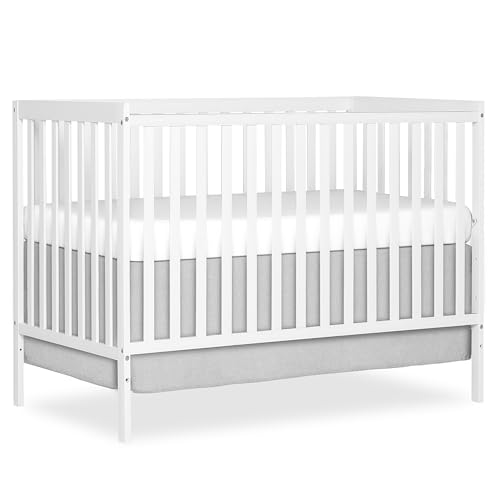
Cribs typically range from $150 to $800. For those seeking budget options, basic models start around $150, while more luxurious variants can reach upwards of $800. Consider brands and materials, as that can significantly influence the overall cost.
Bassinets are usually priced between $50 and $300. Affordable choices can be found around $50 to $100, while higher-end designs might cost $200 to $300. Look for features such as portability and added safety features to justify the investment.
Below are some examples of average prices:
- Standard crib: $200 – $500
- Convertible crib: $250 – $800
- Portable crib: $150 – $300
- Traditional bassinet: $60 – $150
- Fancy bassinet with added features: $200 – $300
Keep in mind, it’s beneficial to prioritize safety and durability over price alone. Read reviews and seek recommendations to ensure the best selection for your child’s sleep environment.
Cost Comparison: New vs. Used Infant Gear
I recommend evaluating both new and previously owned options to find suitable products for your little one. New items typically start at higher prices, offering warranties and the reassurance of pristine condition, usually ranging from $200 to $1,000 for cribs, depending on brand and features. In contrast, second-hand pieces can be acquired for a fraction of that cost, often between $50 and $300, making them an appealing alternative for budget-conscious parents.
Quality and Safety Considerations
When opting for pre-owned gear, assess for safety standards and potential recalls. Products manufactured after 2011 adhere to stricter regulations. Inspect for damages, wear, or missing parts, ensuring the item meets current safety benchmarks. Buying from reputable sources or trusted platforms can mitigate risks.
Resale Value
New acquisitions may depreciate quickly, while used items can maintain a reasonable resale value. If resale is a priority, consider brands known for durability and high demand, as these will likely retain better value when the time comes to sell.
Top Brands and Their Price Ranges
I recommend focusing on reputable manufacturers known for quality and safety. Here’s a brief overview of some leading brands and their respective price ranges:
| Brand | Product Type | Price Range (USD) |
|---|---|---|
| Graco | Cribs | $150 – $350 |
| Dream On Me | Bassinets | $70 – $200 |
| Babi Italia | Convertible Cribs | $300 – $600 |
| Babyletto | Modern Cribs | $400 – $750 |
| DaVinci | Eco-Friendly Cribs | $200 – $500 |
| Fisher-Price | Bassinets | $80 – $150 |
| Chicco | Travel Cribs | $120 – $250 |
Factors such as design, materials, and features can influence pricing. Researching has shown that investing in a reliable brand often ensures safety and durability, which is critical for little ones.
Budget-Friendly Options for Baby Furniture
To save on essential items for your little one, consider shopping at thrift stores and online marketplaces. You can often find gently used items at a fraction of their retail price. Popular second-hand platforms like Facebook Marketplace and Craigslist can yield great results.
Explore DIY solutions to create personalized pieces without breaking the bank. For example, repurposing furniture you already own can result in unique, budget-friendly alternatives. A simple coat of paint can refresh an old dresser into a stylish changing table.
- Look for sales and clearance events at major retailers, which often offer deep discounts on seasonal items.
- Check for local baby fairs or expos where vendors showcase products at reduced prices.
- Consider versatile items that grow with your child, such as convertible cribs that transform into toddler beds.
Another cost-effective option is to join parenting groups or community exchanges, where parents often trade or sell unwanted items at lower prices. This not only saves money but also fosters a sense of community.
Lastly, always keep an eye on warranty policies. Some brands offer warranties that cover damages during a specific period, ensuring your investment remains protected while maintaining affordability.
Factors Influencing Prices of Nursery Gear
A few key elements can significantly impact the cost of nursery gear, and understanding them can help in making informed decisions. First, materials play a crucial role; items made from solid wood often carry a higher price tag compared to those crafted from MDF or particle board. Additionally, the finish and durability of the materials can vary, which also affects pricing.
The design complexity influences costs as well. Vintage or custom pieces tend to be more expensive due to more intricate details and craftsmanship. Brand reputation matters, as renowned manufacturers usually charge a premium for their products, reflecting research, safety standards, and customer trust.
Safety standards are paramount; products that meet or exceed safety regulations may come at a higher price due to rigorous testing and certification processes involved. Likewise, features such as adjustable heights and convertible designs add value but also increase the overall cost.
Market demand is another factor; during peak seasons, prices may rise based on increased purchase activity. Sales, promotions, and regional variations can create fluctuations, so shopping during off-peak times might yield savings.
Ultimately, considering these aspects can aid in making budget-conscious decisions while still ensuring safety and quality in nursery gear purchases.
Where to Buy Affordable Baby Furniture
I recommend starting your search at large retailers like Target and Walmart. They often have sales and neat clearance sections, providing a great way to save on essential items. Online platforms, such as Amazon and Wayfair, offer a wide range of choices and competitive prices. Plus, you can read customer reviews for better insights.
Local Options and Thrift Stores
Consider visiting local baby boutiques or thrift stores. These shops sometimes carry gently used items at a fraction of the original cost. You might find unique pieces that stand out without breaking the bank. Additionally, check out consignment sales that specialize in kids’ goods; they can be gold mines for affordable selections.
Online Marketplaces
Explore websites like Facebook Marketplace or Craigslist for secondhand items. Many parents sell their unused gear, allowing you to negotiate and find bargains. Also, look into specialty online retailers that focus on budget-conscious options; some even offer financing plans to spread out costs over time.
Tips for Finding Discounts and Sales on Baby Gear
Sign up for newsletters from major retailers and brands offering essential items. This way, I receive notifications about exclusive promotions, flash sales, and coupon codes directly in my inbox.
Utilize social media platforms to follow specific brands or stores. Many announce sales or limited-time offers on their pages, often providing followers with unique discount opportunities. Additionally, I look for groups focused on parenting or frugal living; they frequently share deals and tips.
Consider shopping during major holiday sales events such as Black Friday, Cyber Monday, or Labor Day. Retailers typically provide significant markdowns on child-related products during these periods, allowing me to save considerably.
Explore online marketplaces like eBay or Craigslist for gently used items. Many parents sell quality items at much lower prices than retail, enabling me to find great deals. Always check user ratings and product conditions to ensure I’m buying from reputable sellers.
Check local stores for clearance sections. Often, I find last season’s stock at greatly reduced prices. Additionally, shopping at outlet centers can yield brand-name items at a fraction of their original cost.
Utilize price comparison websites to track fluctuations and find the best deals available across various retailers. Setting alerts for specific items I’m interested in allows me to purchase right when prices drop.
Join loyalty programs offered by stores I frequently shop at. Accumulating points or rewards can lead to significant discounts on future purchases, enhancing my savings on essential gear.
Don’t overlook thrift stores and consignment shops. They often carry well-maintained items at remarkable prices. Visiting these places regularly can lead to unexpected finds that are both unique and budget-friendly.
Finally, timing matters. I aim to shop right before new product releases, as stores tend to discount previous models to make room for new inventory, ensuring I get quality goods without overspending.
Long-term Investment: Quality vs. Price in Nursery Essentials
Investing in high-quality items can save money over time. Durable pieces withstand wear and tear, often lasting through multiple children. For example, a well-constructed crib made from solid wood may have a higher price tag up front, but it typically outlasts cheaper alternatives that may need replacement within a few years.
Opting for items made with non-toxic finishes or organic materials might cost more, yet the long-term health benefits for your child justify the expense. Research shows these materials often avoid harmful chemicals, safeguarding your little one’s health.
Look for brands with favorable warranties or return policies, which indicate confidence in their product longevity. A piece that comes with a 5- or 10-year warranty may ultimately prove to be more economical than cheaper models without such assurance.
Remember, some brands design for convertibility. A crib that transforms into a toddler bed extends its lifespan significantly. This not only delays the need for future purchases but also provides continuity and comfort for your growing child.
Prioritize functionality alongside aesthetics. Multi-functional items, such as changing tables that double as dressers, can maximize space and utility, often leading to cost savings.
Finally, when considering trusted manufacturers, read reviews and seek out recommendations. The feedback from other parents can provide insight into the durability and quality, ensuring your investments stand the test of time.