Caleb Turner

For those curious about the financial significance of 20th-century stylistic home décor, it’s pivotal to assess several factors. Genuine pieces from this era often fetch prices between $1,000 and $15,000, depending on rarity and condition. Well-preserved artifacts can command even higher sums, particularly if they feature iconic designs or materials such as chrome, glass, or exotic woods. I recommend consulting auction results and reputable dealers to gauge current market trends.
When evaluating individual items, provenance plays a vital role. Provenance not only adds authenticity but can considerably raise the value. Items with clear histories or those linked to notable designers or cultural moments are more desirable. Always seek authentication and consider sourcing from established auction houses to ensure legitimacy.
Condition is equally critical. Restorations impact valuation, and minor imperfections can detract from an item’s desirability. I advise investing in proper maintenance and restoration services to enhance longevity and aesthetic appeal. Ultimately, thorough research and careful management of one’s collection can lead to informed decisions and potentially lucrative outcomes.
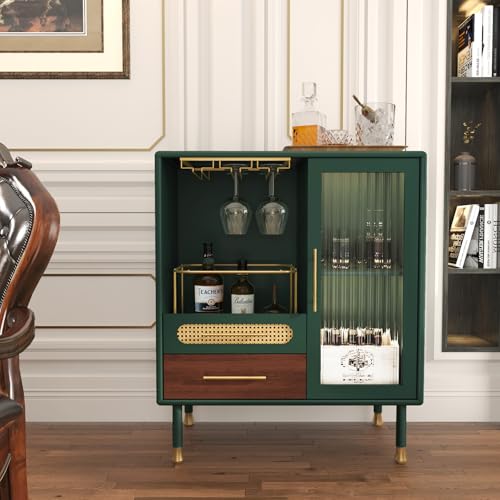

Factors Influencing the Value of Art Deco Pieces
Provenance stands out as a key factor. Items with a documented history, particularly those associated with renowned designers or historical figures, fetch higher prices. Always investigate the background of a piece to ascertain its story.
Condition plays a significant role in assessment. Pieces in excellent shape with minimal wear often command premiums. Regular maintenance and careful storage are vital for preserving these treasures. Restoration can be beneficial, but the impact on value depends on the quality and appropriateness of the work done.
Materials and Craftsmanship
The materials used significantly influence valuation. Rare woods, metals, and innovative materials of the period like Bakelite or glass make a piece more desirable. Additionally, handmade elements and the complexity of design elevate the piece’s appeal.
Market Trends and Demand
Keep an eye on shifting trends within the collecting community. The popularity of particular styles or designers can dramatically affect the market value. Auctions and art fairs provide insights into current demand, so staying informed can aid in making better investment decisions.
Understanding Styles and Their Impact on Pricing
I recommend focusing on the unique characteristics of this design movement. This style features streamlined forms, geometric shapes, and bold colors that emerged in the 1920s and 1930s. Identifying distinct elements like zigzags, chevrons, and rich materials can significantly affect an item’s appeal in the market.
Each piece reflects individual craftsmanship, often marking the designer’s hand, which can add value. The rarity and historical significance also play a crucial role; items from renowned makers or limited editions will command higher prices compared to mass-produced alternatives.
Next, consider the condition of the item. Original finishes, absence of repairs, and overall maintenance are key indicators of quality. Unearthed pieces that show minimal wear attract serious collectors, while those needing restoration might fall below market expectations.
Market trends sway prices as well. Tracking auction results and sales in specialized galleries provides insights into demand, fluctuating values, and iconic pieces that consistently perform well. This data helps gauge what collectors prioritize, whether it’s design innovation or a storied provenance.
Lastly, the emotional connection and aesthetic compatibility with potential buyers cannot be overlooked. Items that resonate on a personal level or fit seamlessly within modern interiors tend to achieve premium prices. Engaging in discussions with collectors and attending related exhibitions can further enhance understanding and facilitate connections in this niche market.
Assessing the Condition of Art Deco Pieces for Valuation
Comprehensive evaluation of a piece’s state is crucial for accurate pricing. I always begin by examining structural integrity. Look for repairs, cracks, or warping. Any structural issues can significantly reduce value.
Next, I assess the finish. Original patina is often desirable, but if there are signs of substantial wear, such as scratches or discoloration, restoration may be needed. I recommend checking for any alterations; pieces retaining their original form typically command higher prices.
Next is the upholstery, if applicable. Original fabrics are generally more valuable; however, damage or excessive wear may require reupholstering. I typically recommend documenting any unique details that could influence desirability.
The provenance is another key area. I try to uncover the item’s history, including previous ownership and notable exhibitions. Well-documented provenance enhances desirability and valuation.
Lastly, I consider overall rarity and market demand. Limited editions or unique designs often hold a premium price. Staying informed about current trends can aid in understanding shifts in market dynamics for these types of collectibles.
Market Trends: How Demand Affects Art Deco Furniture Prices
The value of mid-20th century designs can fluctuate significantly based on current market interest. Recently, I have observed a notable uptick in the appreciation for distinctive styles that blend elegance and functionality. Buyers increasingly seek pieces that resonate with modern aesthetics while retaining historical significance.
Regional preferences tend to influence pricing as well. For instance, metropolitan areas often show heightened enthusiasm for unique designs, driving up the cost in those locations compared to rural settings. This geographical disparity is essential to consider when assessing potential value.
Collectible status significantly enhances desirability. Limited editions or collaborations with renowned designers command a premium, reflecting collectors’ willingness to invest in iconic representations from this era. The rarity amplifies the attractiveness, making it a driving force behind inflated values.
Among the current trends is an increased focus on sustainability and eco-friendliness. Vintage pieces are often viewed as environmentally responsible choices, attracting buyers who prioritize sustainable living. As a result, items from this genre that demonstrate craftsmanship and longevity are seeing rising interest in the marketplace.
To effectively gauge valuation, I recommend monitoring auction results and sales at estate sales, which provide real-time insights into shifting demand. Observing online platforms dedicated to vintage items can also yield valuable data, supporting more informed decisions for both sellers and collectors.
| Trend | Impact on Pricing |
|---|---|
| Increased Urban Demand | Higher prices due to greater competition |
| Limited Editions | Significant premium attributed to rarity |
| Sustainability Focus | Growing interest leads to higher market prices |
| Online Sales Trends | Real-time data for valuation adjustments |
Being well-informed about these trends can enhance the experience of buying and selling iconic pieces, leading to smarter investments and more satisfying acquisitions in this captivating design category.
Comparing Auction Prices for Decorative Vintage Pieces
Research auction results from reputable houses to gauge market movements. For instance, items in excellent condition can command substantially higher bids than those requiring restoration. Focus on specific types, such as cabinets or tables, as they often differ in value.
Price Range Insights
- High-end pieces may sell for $5,000 to $30,000, depending on provenance and designer.
- Mid-tier items can be priced between $1,500 and $5,000, often attracting a broader audience.
- Entry-level selections frequently fetch under $1,500, making them accessible for new collectors.
Noteworthy Auctions
- Recent sales at Sotheby’s showed a trend: unique craftsmanship significantly raised bids.
- Bonhams and Christie’s often highlight rare finds that can double expected values.
- Online platforms like Invaluable provide insights into trending items, expanding views of ownership costs.
Pay attention to auction previews and expert appraisals. Descriptions and photographs assist in establishing true market value. Keep an eye on seasonal fluctuations; summer months may see decreased activity, while holiday periods could spike interest.
Identifying Authenticity in Art Deco Furniture
Examine the joinery methods. Authentic pieces typically showcase dovetail joints rather than modern staples or dowels, illustrating skilled craftsmanship. Check for signs of hand-finishing, as machine-produced surfaces lack the warmth of true vintage pieces.
Assess the materials used. Genuine creations often feature high-quality woods like walnut or mahogany, alongside metals such as chrome. Be wary of imitations made from plywood or plastic composites, as they detract from the value.
Investigate the designer and manufacturer marks. Well-known names like Jean Dunand or Émile-Jacques Ruhlmann can significantly enhance a piece’s desirability. Always verify any labels for authenticity, and cross-reference with known details from reputable sources.
Consider the patina and age. Authentic items will typically exhibit signs of wear and a natural aging process, which adds character. Reproductions often have a pristine finish, indicating they are modern replicas rather than original works.
Research provenance. A documented history of ownership can increase credibility and create a narrative around the piece, making it more appealing to collectors.
Engage with reputed experts or appraisers who specialize in this design era. Their insights can provide invaluable information regarding authenticity, market trends, and potential investments.
Regional Differences in Art Deco Furniture Values
Prices for 20th-century design pieces can vastly differ based on geographical location. In my experience, the East Coast, particularly cities like New York and Boston, tends to see higher valuation for these items due to a robust collector base and frequent high-end auctions. Here, a well-preserved example can command prices significantly above the national average.
Comparative Analysis by Region
Across the West Coast, especially in cities like Los Angeles, the market may lean toward a slightly lower price spectrum. This is influenced by a greater availability of mid-century modern pieces that often overshadow the demand for earlier design styles. In contrast, the Midwest, with its rich history of craftsmanship, often showcases unique local variations that can have surprising collector interest, sometimes fetching premium prices at specialty shows.
International Perspectives
Globally, Europe remains a hotbed for high-value acquisitions. Countries like France and Italy, where the movement originated, often see original pieces attracting prices that can soar due to scarcity and historical significance. Remember, understanding local market dynamics is key when evaluating potential value in different regions.
Resources for Appraising Art Deco Furniture
For accurate evaluations of 1920s-1930s designs, I recommend consulting specialized auction houses such as Sotheby’s and Christie’s. Their catalogs often provide insight into recent sales and current market values.
Utilizing reference books is beneficial. Titles like “The Art Deco Style” by David McFadden offer extensive knowledge on characteristics and significance, aiding in appraisals.
Online platforms, particularly 1stDibs and Chairish, allow for real-time price comparisons and trends, making them indispensable for gauging current market conditions.
Engaging with professional appraisers who specialize in this specific style ensures you receive expert evaluations. Associations like the American Society of Appraisers maintain directories of certified individuals for this purpose.
Social media groups and forums focused on vintage design can also provide valuable insights. Interactions with collectors reveal pricing trends and significant pieces in demand.
Lastly, attending trade shows and antique fairs fosters connections with dealers who provide firsthand information on market shifts and valued items.
Selling Vintage Style Furniture: Best Practices for Maximizing Value
Begin by researching current market conditions, focusing on similar pieces recently sold. Online platforms like auction websites, antique marketplaces, and social media groups can provide insight into pricing trends.
Next, ensure that each item is photographed professionally. Use good lighting and multiple angles to showcase details, imperfections, and any unique features. Clear, high-resolution images attract more buyers.
Craft a compelling description that includes:
- Measurements and dimensions
- Materials used
- Design influences and styles
- Any history or provenance related to the piece
- Condition specifics, highlighting restoration work if applicable
Consider the timing of your sale. Certain periods, like spring and fall, often yield higher buyer engagement. Tailor your listings to seasonal aesthetics and trends.
Pricing strategy is vital. Start a bit higher than your minimum acceptable price to allow room for negotiation, but remain realistic. Compare your listing with similar items and adjust as necessary.
Utilize social media for promotion. Platforms like Instagram and Pinterest are perfect for sharing eye-catching images and attracting enthusiasts and collectors.
Engagement in local art and vintage communities can boost visibility. Participate in art fairs, vintage shows, or local gatherings to connect with potential buyers directly.
Consider shipping logistics if selling online. Calculate shipping costs and reflect those in your pricing or offer a local pick-up option to broaden your audience.
Lastly, remain patient. Quality pieces might take time to sell, but maintaining a positive attitude and adapting your approach will yield the best results. Always follow up with inquiries promptly and professionally.