
 Caleb Turner
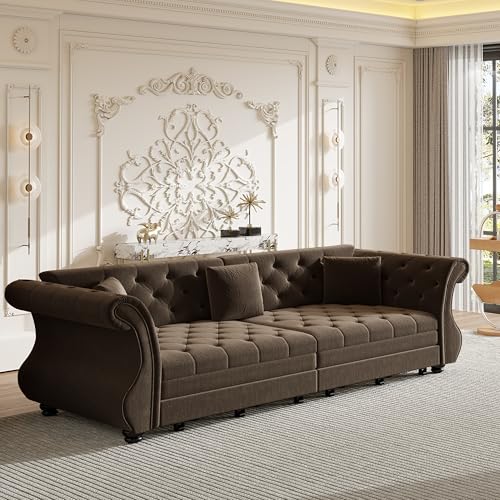
The value of a space filled with secondhand items can fluctuate widely, typically ranging from a few hundred to several thousand dollars. To assess the valuation effectively, consider factors like condition, brand reputation, and the market demand for specific pieces. Gathering recent sales data from platforms such as eBay or Craigslist can provide insights into comparable listings, guiding realistic price expectations.
Inventory is key. I recommend meticulously cataloging each item, noting its age, manufacturer, and condition. By photographing and describing each piece, one can create a detailed record that appeals to potential buyers. Integrating keywords relevant to sought-after brands or styles will enhance visibility in marketplace listings.

Local community preferences also play a significant role. Conducting a quick survey or hosting a garage sale can reveal which items attract the most interest and the price ranges that buyers are willing to pay. Engaging with social media groups dedicated to buying and selling secondhand goods can yield valuable information regarding trends and average selling prices in your area.
Assessing the Condition of Pre-owned Items
To evaluate the value of pre-loved goods, inspect for obvious signs of wear and tear: scratches, dents, or discoloration can significantly decrease appeal. Test functionality extensively–check drawers, hinges, and any moving parts. If an item’s mechanics fail, its value drops sharply.
Cleaning and Maintenance
A thorough cleaning can enhance appearance and, in turn, boost value. Use appropriate methods for different materials; for instance, wood should be polished, while upholstery benefits from steam cleaning. Well-maintained pieces typically attract buyers willing to pay a higher price.
Market Comparisons
Research similar items on resale platforms to gauge current trends and price points. Take note of their condition compared to yours. If yours is in better shape, you might command a higher price. Highlight unique features that set your items apart, as rarity often contributes to desirability.
Determining Brand and Quality Factors
To accurately assess the value of a collection of items, I prioritize identifying the brand and quality of each piece. Renowned brands often hold their value better over time. Researching brand reputation through reviews and market trends enhances my understanding of their worth. I make note of recognized furniture manufacturers such as Ethan Allen, Stickley, or Herman Miller, as these brands tend to command higher prices.
Quality Indicators
A thorough examination of the construction and materials provides insights into durability and potential resale value. Solid wood constructions, dovetail joints, and high-quality upholstery materials signify a well-made item. I always examine for any signs of wear, repairs, or modifications, as these can significantly impact the overall appraisal.
Market Comparisons
I compare similar items on marketplaces like Craigslist or eBay to gauge current selling prices. Including online auction results can also provide a realistic perspective on value. Below is a simplified comparison table to guide my evaluations:
| Brand | Condition | Market Price Estimate |
|---|---|---|
| Ethan Allen | Excellent | $800 – $1200 |
| Herman Miller | Good | $400 – $700 |
| Stickley | Very Good | $1000 – $1500 |
This structured approach aids in forming an accurate valuation of every piece within my collection, ensuring that I make informed decisions during the appraisal process.
Market Trends for Second-Hand Furniture
Current statistics indicate that the market for pre-owned home items is on the upswing, with sales projected to reach approximately $20 billion annually by 2025. This growth is driven by a burgeoning emphasis on sustainability and increased consumer awareness regarding environmental impact.
Buying habits are shifting, with millennials and Gen Z increasingly opting for vintage and eco-friendly alternatives. This demographic is particularly drawn to unique pieces that offer character and history, pushing demand for eclectic collections from thrift shops and online platforms.
Key trends shaping this market include:
- Online Marketplaces: Platforms like Facebook Marketplace, Craigslist, and specialized apps have gained traction, allowing for easy access to a diverse range of goods. Sellers can quickly reach a wider audience, often fetching a better price.
- Local Pop-Up Shops: Community events and temporary retail spaces focusing on second-hand items have become popular, enabling buyers to connect directly with sellers and examine products firsthand.
- Restoration Services: The rise of DIY culture has paved the way for businesses specializing in refurbishing and restoring older items, enhancing value and extending item lifespan.
- Minimalism Movement: As individuals adopt minimalist lifestyles, they are more inclined to sell unwanted items, flooding the market with fresh inventory.
Pricing strategies are increasingly informed by online comparatives and social media trends, where buyers often check for similar item listings before making a purchase. Sellers who adjust their pricing flexibly based on current market demand tend to achieve quicker sales.
Ultimately, successfully engaging with the market for second-hand home items involves adaptability and a keen understanding of current consumer preferences and values. Keeping an eye on emerging trends can lead to informed buying and selling decisions that optimize financial returns.
Calculating Depreciation on Used Items
To determine the value of second-hand possessions, I calculate depreciation using the straight-line method, which simplifies the assessment. I start with the original purchase price and divide it by the estimated useful life in years. For instance, if I bought a chair for $400 with a lifespan of 10 years, it depreciates by $40 annually.
Next, I consider the condition of each item. If the chair is still in excellent shape, I might reduce the annual depreciation rate, perhaps to $30. However, if it shows wear and tear, I could increase it to $50. This adjustment reflects the actual state and longevity I observe.
Another factor involves market demand. If similar pieces are sought after, I might retain more value. Conversely, if trends shift away from certain styles, depreciation will be more significant. Researching local sales or online listings helps me gauge current popularity.
Lastly, it’s important to apply a percentage to calculate the final worth. I often use a range of 20-40% of the original price, depending on condition and demand. For the chair, that means a final value between $80 and $160 after factoring in depreciation. Keeping these elements in mind helps me arrive at a realistic valuation for every item in my collection.
Evaluating Local Demand and Supply
To assess the value of a collection of pre-owned items, I recommend examining the local marketplace. Start by checking online platforms where similar items are listed. Websites such as Craigslist, Facebook Marketplace, and local classifieds can provide insights into current asking prices.
Analyzing Customer Interest
Monitor how quickly products sell in your area. If similar items disappear rapidly, it suggests strong interest, which can increase valuation. Conversely, if multiple listings for the same category linger without offers, prices may need adjustment. Flexibility with pricing can help move inventory faster.
Identifying Competitors
Take note of local retailers or thrift shops that specialize in second-hand offerings. Assess their pricing strategies and unique selling points. Understanding what they provide can help me identify potential market gaps or areas where my offerings can stand out.
Lastly, consider seasonal trends. Demand can fluctuate based on time of year, such as increases in summer for outdoor seating or during college graduation seasons for dorm decor. Being aware of these patterns can enhance my strategy when pricing and marketing.
Pricing Strategies for Selling Pre-Owned Goods
Research recent sales in your area to set competitive pricing. Aiming for 30-50% of retail value can attract buyers while ensuring a fair return. Adjust prices based on factors such as condition, brand, and market trends to stay relevant in a fluctuating environment.
Flexible Negotiation Points
Be prepared to negotiate; setting prices slightly higher allows room for bargaining. Offer bundle deals or discounts for multiple items to entice buyers further. Highlight unique features or stories related to specific pieces, which can justify higher pricing and create emotional connections.
Utilizing Online Marketplaces
List items on popular platforms to reach broader audiences. Craft clear, informative descriptions and include high-quality images. Monitor competitor listings to stay ahead, adjusting your strategy as necessary to align with market interest and demand patterns.


