Caleb Turner
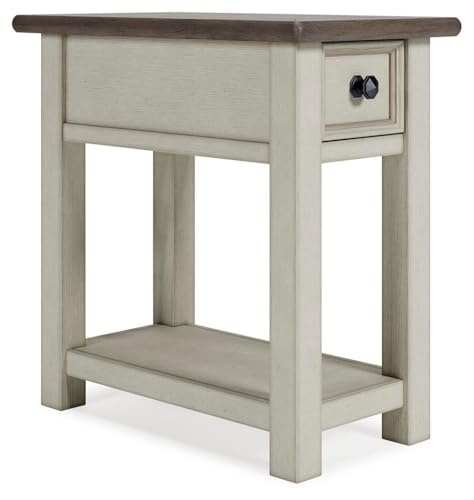
As of now, there are over 800 retail outlets operated by this well-known brand across the United States. This extensive network provides customers with a variety of options for shopping, allowing them to find just the right pieces for their homes.
For those in search of specific merchandise or local availability, visiting the official website can give precise details on nearby stores. Additionally, checking for store hours and any ongoing promotions may enhance the shopping experience.
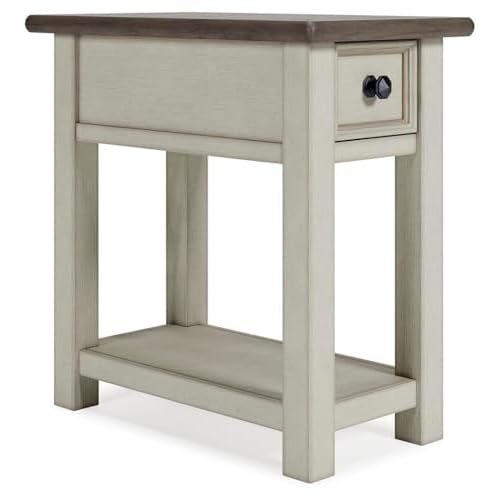
Given its widespread presence, finding an outlet is typically straightforward. Whether one is looking to furnish a new home or simply update a room, options abound for an immersive shopping experience.
Count of Ashley Retail Outlets
As of the latest data, the number of retail outlets associated with this brand exceeds 800 across the United States. These stores offer a broad selection of home decor and interior furnishings, catering to diverse consumer needs.
Distribution Breakdown
The presence spans across various states, with high concentrations in populous regions. Here’s a breakdown of the numbers in select states:
| State | Number of Stores |
|---|---|
| California | 80 |
| Texas | 75 |
| Florida | 65 |
| New York | 50 |
| Illinois | 45 |
Additional establishments can be found in various other states, contributing to a robust national network. For those seeking convenience, exploring options via the official website can lead to personalized solutions based on proximity.
Current Number of Ashley Furniture Stores Worldwide
As of now, there are approximately 1,000 retail outlets operating under the Ashley brand across various countries. This extensive network allows customers to access a wide range of products, catering to diverse tastes and preferences.
Nations such as the United States, Canada, and Mexico host a significant portion of these establishments. For those seeking specific inventory, visiting the official website can provide insights into local stock and styles available.
Operating an extensive number of showrooms allows for unique customer experiences. With ongoing expansions in various regions, it’s expected that the count will increase, benefiting more consumers in the process. Keeping an eye on new store announcements can provide additional opportunities to explore the brand.
Breakdown of Locations by Country
The distribution of retail outlets varies across several nations, reflecting unique market strategies. North America dominates the presence with thousands of stores, primarily in the United States and Canada.
United States
The majority of establishments situate in urban and suburban areas, catering to different demographics and preferences. States like California, Texas, and Florida feature the highest concentrations.
Canada and International Presence
In Canada, notable outlets exist in major cities such as Toronto and Vancouver. Global expansion includes several countries in Central and South America, as well as select locations in Asia and Europe, focusing on meeting local demand.
State-by-State Distribution in the USA
The distribution of retail outlets varies significantly across the United States, reflecting regional preferences and market demand. Here’s a concise overview of the spread of these establishments across different states:
State Breakdown
- California: Hosts the highest number of stores, capitalizing on its large population and diverse demographics.
- Texas: A close second, with a robust retail presence catering to a wide customer base.
- Florida: Known for a strong tourism market, increasing demand for home goods leads to numerous outlets.
- New York: High urban density contributes to a substantial concentration of retail points.
- Illinois: Central location helps maintain a steady flow of customers from surrounding states.
Other Notable States
- Nevada – Rapid growth in urban areas boosts the number of retail spaces.
- Georgia – Expanding metropolitan regions create more opportunities.
- Ohio – A balanced mix of urban and suburban stores caters to a diverse audience.
- Pennsylvania – Historical density of shopping options supports a solid retail presence.
- North Carolina – A growing population and economic development foster an increase in outlets.
Each state showcases unique characteristics in retail distribution, influenced by demographics, economics, and local preferences. Exploring specific regions might reveal opportunities for tailored marketing strategies and enhanced customer experiences.
Comparison with Competitors’ Store Counts
To gain a clearer perspective on the retail presence in this segment, I analyzed the store counts of prominent competitors. One major player, IKEA, boasts over 400 outlets worldwide, showcasing a significant global footprint. Similarly, Wayfair, while primarily an online retailer, has been expanding its physical presence with several pop-up stores and showrooms across the U.S., albeit not to the same extent as traditional retailers.
La-Z-Boy stands out with around 300 dedicated showrooms, presenting a robust alternative. Furthermore, Rooms To Go operates over 200 stores, focusing primarily on the Southeastern region of the United States. These figures indicate a competitive market where each brand finds its niche and customer base.
Comparing these statistics provides valuable insights into market strategies. For instance, while some competitors rely heavily on a vast physical presence, others are leveraging online platforms to complement their retail strategies. This highlights the differing approaches brands are taking within the home goods sector, emphasizing the importance of adaptation to consumer preferences and shopping habits.
Understanding these metrics can assist stakeholders in identifying opportunities for growth and expansion, particularly in underrepresented areas. Analytics on competitor locations can reveal insights into market saturation and potential gaps that existing brands might exploit.
Factors Influencing Expansion of Retail Outlets
To ensure growth, I focus on several key elements that drive the establishment of new retail outlets.
- Market Demand: Continuous assessment of regional preferences guides decisions about where to expand.
- Economic Conditions: Favorable economic indicators, such as rising income levels or decreasing unemployment rates, signal potential for successful new openings.
- Competition Analysis: Identifying gaps in areas with limited competition helps target new stores for optimal performance.
- Logistics and Supply Chain: Proximity to suppliers and efficient distribution networks influence site selection for minimizing operational costs.
- Demographic Trends: Understanding population shifts and demographics aids in pinpointing ideal markets for expansion.
- Real Estate Availability: Access to suitable, affordable commercial real estate plays a significant role in determining expansion feasibility.
- Marketing Strategy: Tailoring regional marketing efforts based on local culture and preferences enhances brand recognition and attracts foot traffic.
By focusing on these influential factors, I can make informed decisions about where to strategically open new retail spaces. Each element plays a pivotal role in shaping successful expansion strategies.
Historical Growth of Ashley Furniture Locations
The expansion of this home decor retailer since its inception in 1945 has been remarkable. Initially starting as a small manufacturing company, it gradually transformed into a significant retail player with a footprint across the globe. The strategic decision to open retail outlets in diverse markets played a critical role in this growth.
Milestones in Expansion
In the 1980s, the brand began focusing on franchising, which accelerated its presence in various states. The ’90s marked a pivotal decade, with hundreds of new storefronts emerging, reflecting a robust strategy of targeting underserved markets.
Recent Developments
In the last decade, expansion efforts have included international markets, leading to a notable increase in visibility outside the United States. Partnerships with local distributors have facilitated entry into new regions, further amplifying reach. The incorporation of technology also allowed for an enhanced shopping experience, contributing to increased foot traffic and sales.
This growth trajectory illustrates not just the rising number of retail outlets, but also adaptive strategies tailored to evolving consumer preferences and market dynamics. Continued emphasis on accessibility and affordability remains central to future expansion initiatives.
Interactive Store Locator Tools Available
For an optimal experience in finding retail outlets, utilize the specialized online store locator feature. This user-friendly tool allows for precise searches based on zip codes or city names, presenting a list of the nearest shops along with their addresses and contact phone numbers.
For those who prefer a mobile approach, downloading the brand’s app gives access to store locators directly on smartphones. This method also provides additional functionalities such as inventory checking and promotional offers specific to each outlet.
In some regions, interactive maps enhance the search experience, allowing users to visualize store locations within a geographical area. Advanced filtering options enable narrowing results by particular product types available at each site.
Visiting the company’s official website often includes FAQs regarding store hours, recent openings, and special events at various outlets. Engaging with social media platforms can also offer up-to-date information on pop-up events and temporary stores, broadening the shopping experience beyond conventional outlets.
Impact of E-Commerce on Physical Store Count
Reducing physical retail presence is a direct response to the rise of online shopping platforms. E-commerce enables brands to reach wider audiences without the overhead tied to maintaining numerous storefronts. As a result, I’ve seen notable closures in areas where online sales dominate.
Companies are prioritizing investments in their digital infrastructure over expanding brick-and-mortar sites. For instance, integrating augmented reality tools and enhanced logistics systems allows for a more seamless shopping experience online, which can lessen the need for excessive physical outlets.
Additionally, insights from customer behavior analytics offer an opportunity to adapt inventory distribution and optimize remaining sales points. Refocusing efforts on strategically placed stores that can serve as experience centers or service hubs can be a sound strategy for brands aiming to remain competitive.
It’s prudent for businesses to continuously assess their market presence. Emphasizing e-commerce allows for nimble growth strategies that can adjust to shifting consumer trends, rather than being confined to a fixed number of locations. This transition is reshaping traditional retail, steering companies toward a hybrid model, which incorporates both online and physical interactions to meet diverse customer needs.