
 Caleb Turner

It is advisable to allow a minimum of 24 to 48 hours before arranging items on a newly treated outdoor surface. This timeframe ensures that the coating has sufficiently cured and will provide the longevity you desire.
Conditions such as temperature and humidity can affect the curing period significantly. In cooler or more humid environments, extending the waiting period to up to a week might be beneficial. Always check the manufacturer’s instructions for specific guidance regarding the product used.
To ensure the best results, test a small area with a piece of furniture after the initial 24 hours. This will help confirm that the surface has set properly and will help avoid any potential damage to the finish.
Understanding Stain Types and Their Drying Times
Choosing the right stain is vital for optimal results. Water-based formulations generally take about 4-6 hours to dry, making them convenient for quick projects. Oil-based alternatives require 24-48 hours for complete drying, offering deep penetration and durability but taking longer to become usable.
Some products may include additives that accelerate drying. It’s advisable to read manufacturer instructions for specific drying times, as environmental factors like humidity and temperature can influence them significantly.
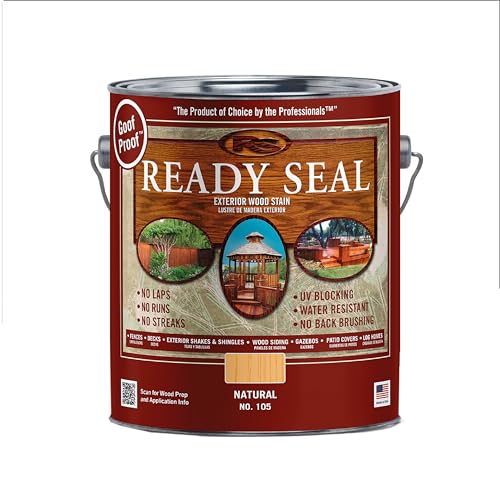

Transparent and semi-transparent stains tend to dry faster than solid stains, as they contain fewer pigments. Care must be taken to choose a product that matches your project’s timeline and desired appearance.
Regardless of the chosen type, it’s wise to conduct a touch test. Lightly touch an inconspicuous area to ensure it’s dry before returning items back onto the surface. If there’s any stickiness, give it more time.
Factors Affecting Drying Time: Humidity and Temperature
Humidity and temperature are primary influencers on how quickly surfaces return to use. Higher humidity levels can significantly extend drying periods, as excess moisture in the air hampers the evaporation of solvent-based stains. In conditions where humidity exceeds 70%, I recommend allowing at least 48 hours before introducing any objects back onto the surface.
Temperature Considerations
Warmer temperatures allow for quicker drying. Ideal air temperatures for most stains range between 50°F and 90°F (10°C to 32°C). When the mercury rises above this range, the drying process accelerates but may cause the stain to dry too quickly, leading to a poor finish. In cooler conditions, below 50°F (10°C), drying can extend considerably, and I advise waiting an additional 24 hours for each 10°F decrease.
Practical Recommendations
Combining a hygrometer and thermometer can aid in determining the best time for using the surface. Always check local weather forecasts; a rainy day can double the anticipated drying period. Proper ventilation is also beneficial; it helps to reduce humidity and promotes air circulation, significantly enhancing drying efficiency. I prefer to utilize fans or open windows, as long as outdoor conditions permit.
Recommended Waiting Periods for Different Stain Applications
Typically, for oil-based products, I advise a minimum of 24 to 48 hours before introducing any outdoor items. This duration allows for proper curing, reducing the risk of smudging or damage.
Water-based formulations often require less time, with 4 to 8 hours being sufficient. However, I suggest checking the manufacturer’s guidelines, as specific products may vary.
For semi-transparent or solid stains, the recommended span extends from 24 to 72 hours. Consider factors such as weather conditions, as humidity and temperature can impact these timelines.
Below is a concise table summarizing these recommendations:
| Stain Type | Recommended Waiting Period |
|---|---|
| Oil-Based Stains | 24 – 48 hours |
| Water-Based Stains | 4 – 8 hours |
| Semi-Transparent Stains | 24 – 72 hours |
| Solid Stains | 24 – 72 hours |
Always prioritize checking the instructions provided by the manufacturer, as they may have specific recommendations for their products. Adhering to these guidelines ensures the longevity and appearance of the finish.
How to Test if Your Deck is Ready for Furniture
I recommend performing a simple water test to determine readiness. Place a few droplets of water on the surface. If the water beads up, the finish is still intact, and it’s better to delay any placement of items. However, if the droplets absorb into the wood, it indicates that the drying process has completed, and you can safely arrange your items.
Another method is to check the texture and feel of the surface. Gently rub your hand across the deck; it should feel dry and smooth, without any tackiness. Additionally, observe for any shiny spots which might suggest the finish is not fully cured.
Time spent observing the temperature and humidity in your area can also help gauge the condition. If it’s particularly humid or cold, more time may be necessary before introducing any objects onto the surface.
Lastly, examining the manufacturer’s instructions on the stain product can provide guidance specific to the type used. This information can help verify the usual cure time, ensuring that you don’t rush the process.
Best Practices for Placing Furniture on a Newly Stained Deck
Allow a minimum of 48 hours to ensure the surface has sufficiently cured before introducing any items. For optimal results, choose to wait longer–up to a week–especially in cooler or humid conditions.
Preparation Steps
- Ensure the area is clean and free of debris, which can scratch or damage the freshly treated surface.
- Place protective pads or coasters under legs of tables and chairs to prevent indentations or color transfer.
Choosing the Right Time
- Monitor weather conditions; sunny, dry days enhance drying speed. Avoid periods of rain or high humidity.
- Consider the type of stain used; oil-based products may require more time compared to water-based formulations.
Test small, inconspicuous areas with furniture to ensure there is no adverse reaction. If the stain remains sticky or tacky, delay placing heavy items.
Regularly maintain the surface to prolong its lifespan and ensure a beautiful appearance. A fresh coat of stain or sealant annually will uphold its integrity against wear and tear.
Common Mistakes to Avoid Following Deck Staining
Avoid applying heavy pressure on the surface too soon. It’s easy to forget that even a seemingly dry layer can still be vulnerable. Placing items too early can result in depressions or scratches.
Don’t underestimate the influence of weather conditions. Rain or unexpected humidity can disrupt the drying process, leading to an inadequate finish. Always check the forecast prior to arranging anything on the coated surface.
Ignoring Manufacturer Guidelines
Always refer to the specific instructions provided by the stain manufacturer. Ignoring these recommendations can compromise durability and appearance, leading to peeling or discoloration over time.
Neglecting Regular Maintenance
Failing to maintain the stained surface can result in a shorter lifespan of your finish. Regular cleaning and reapplication are essential to protect the wood and ensure longevity. Schedule periodic checks to monitor the condition of the surface.


