
 Caleb Turner
Typically, you can expect quality outdoor seating to endure between 5 to 15 years, depending on the materials used and the environmental conditions. Metals like aluminum and stainless steel tend to last longer, while wood can vary significantly based on treatment and maintenance.
For instance, resin wicker can provide a sturdy and stylish option, generally surviving up to a decade if properly cared for. The choice of cushions also plays a vital role; high-quality, water-resistant fabrics can extend the life of your seating by resisting mold and fading.
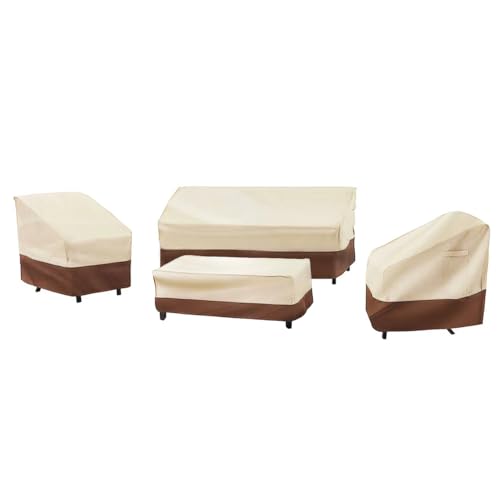
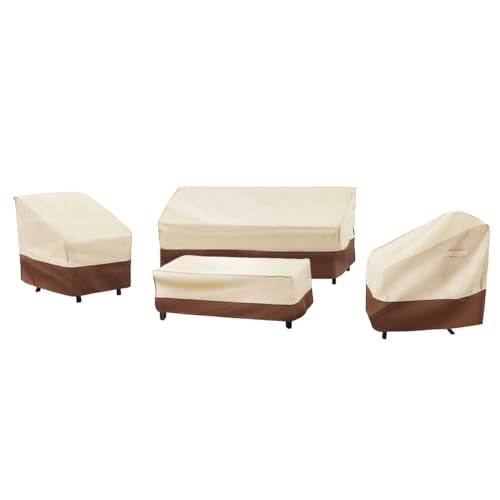
To maximize longevity, regular cleaning and protective storage during harsh weather can make a marked difference. Applying sealants and covers will shield your seating from UV rays and moisture, ensuring they remain in top condition over the years.
How Long Should Outdoor Seating and Accessories Endure?
Typically, you can expect high-quality outdoor seating, tables, and loungers to endure about 5 to 15 years, depending on materials and care. Here’s a breakdown:

- Aluminum: 10 to 20 years. Resistant to rust and corrosion.
- Wood: 5 to 15 years. Hardwoods like teak can last longer with proper maintenance.
- Wicker: 3 to 10 years. Synthetic varieties tend to outlast natural wicker.
- Plastic: 5 to 10 years. Quality resin options can withstand wear better than standard plastics.
- Cushions: 1 to 3 years. Look for water-resistant and UV-resistant fabrics for better longevity.
Regular maintenance and protection from harsh weather conditions can significantly extend the lifespan. I recommend covering items during off-seasons and storing cushions indoors to prevent damage.
- Inspect items periodically for signs of wear or damage.
- Clean regularly with mild soap and water.
- Apply protectants on wood to enhance durability.
Investing in quality pieces and caring for them thoughtfully pays off in longevity and comfort for outdoor gatherings.
Factors Affecting the Lifespan of Outdoor Seating
Material quality plays a significant role in determining durability. Aluminum, teak, and high-density polyethylene exhibit superior resilience compared to plastic and untreated wood. Regular maintenance can significantly extend the usability of various items. For example, applying protective oil to wooden pieces and using covers during off-seasons prevents moisture damage.
Environmental Impact
Exposure to harsh weather conditions, such as extreme temperatures, rain, and UV rays, accelerates wear and tear. Utilizing umbrellas or canopies can shield furniture from direct sunlight, thus reducing fading and cracking. Additionally, storing items indoors during the winter months can prevent significant deterioration caused by snow and ice.
Usage Patterns
Frequency of use affects longevity. Items that are used regularly may show signs of wear more quickly than those used occasionally. Choosing fade-resistant fabrics for cushions can provide added protection against frequent use. Furthermore, observing proper weight limits can prevent physical damage and ensure longer-lasting enjoyment.
Common Materials Used in Outdoor Seating and Their Durability
When choosing items for leisure spaces, selecting durable materials is essential. Here are some common options and their lifespans:
- Aluminum: Lightweight and rust-resistant, aluminum can endure various weather conditions. Expect around 10-20 years of use, particularly if treated with protective coatings.
- Wrought Iron: This heavy metal provides excellent strength and longevity, often lasting 20-30 years with proper maintenance. Its susceptibility to rust means it requires periodic repainting.
- Teak Wood: Renowned for its natural oils that resist moisture, teak maintains integrity for 25 years or more. Regular oiling can enhance its appearance and durability.
- Plastic/Resin: Affordable and lightweight, these materials generally last 5-10 years. UV-resistant options can expand the lifespan, making them suitable for direct sunlight.
- Fabric: Options like solution-dyed acrylic or polyester can handle outdoor use. Depending on the quality, cushion covers can endure 3-7 years before needing replacement.
Choosing the right materials directly affects the longevity of outdoor pieces. Care and maintenance practices can further enhance the durability of these selections.
Maintenance Tips to Extend the Life of Your Outdoor Seating
Regularly clean surfaces with a mild soap solution and soft cloth to prevent dirt accumulation and fading.
Apply protective sealants suitable for the material, ensuring resilience against moisture and UV rays, especially for wood and metal options.
Store cushions indoors during inclement weather. Investing in storage bins or furniture covers offers significant protection, reducing wear and tear.
Check joints and fasteners periodically; tighten or replace them to maintain structural integrity. A simple screwdriver can often solve minor issues before they escalate.
Using coasters and placemats can avoid scratches and stains from beverages and food items, preserving the finish and appearance.
Inspect for rust or corrosion on metal pieces. Treat with rust inhibitors or touch-up paint to prevent further degradation.
If applicable, reapply water-resistant treatments to fabrics yearly, enhancing their longevity against the elements.
Rotate furniture periodically to ensure even exposure to sunlight and weather, minimizing the risk of uneven fading or deterioration.
Signs That Indicate It’s Time to Replace Your Outdoor Seating
If you notice persistent rust, corrosion, or bending in metal components, replacement is advisable. Weakness or instability in frames can signal the end of a product’s usability, indicating that it won’t provide the needed support.
Faded colors or peeling finishes on materials suggest exposure damage. This degradation affects both aesthetics and durability, making it necessary to consider a new set.
Rips, tears, or fraying in cushions and upholstery compromise comfort and hygiene. If repairs are frequent, it may be more sensible to invest in new pieces.
Inconsistencies in the structural integrity can also manifest through wobbling or loose joints. If tightening screws or bolts fails to stabilize the items effectively, it’s a clear sign to seek replacements.
Excessive water retention in porous materials leads to mold growth. If cleaning does not restore them, replacing such items should be prioritized for health reasons.
A complete lack of enjoyment when using the setup, stemming from discomfort or dissatisfaction, is another indicator. If the experience of leisure has diminished over time, refresh your collection for improved satisfaction.
Average Lifespan Expectations for Different Types of Outdoor Seating
Aluminum models can endure approximately 10 to 15 years. This material is lightweight and resistant to rust, but exposure to harsh weather conditions can affect its finish over time.
Wooden Structures
Teak and eucalyptus options typically see lifespans ranging from 15 to 25 years. These hardwoods naturally resist moisture, but they require periodic treatment to maintain their appearance and durability. Softer woods, such as pine or cedar, generally have shorter lifespans of around 5 to 10 years, especially if not properly maintained.
Resin and Plastic Variants
High-density polyethylene (HDPE) options can last around 15 to 25 years. These synthetic materials are resistant to fading and cracking. Lower-quality plastics, however, may deteriorate within 5 to 10 years due to exposure to UV rays and harsh weather.
| Material Type | Average Lifespan (Years) |
|---|---|
| Aluminum | 10 – 15 |
| Teak/Eucalyptus | 15 – 25 |
| Pine/Cedar | 5 – 10 |
| HDPE Plastic | 15 – 25 |
| Lower-Quality Plastic | 5 – 10 |
With proper care, these pieces can provide enjoyment and functionality throughout their expected lifespan, serving well for many seasons.
Impact of Weather Conditions on Outdoor Seating Durability
Extreme temperatures can significantly reduce the lifespan of outdoor seating options. For instance, intense heat can cause plastic materials to warp or fade, while freezing temperatures may make certain metals brittle or promote corrosion. A shaded area or a protective cover provides necessary insulation against harsh sun or snow.
Rain and humidity contribute to mold and mildew, particularly in wooden products. Investing in weather-resistant finishes or treatments for wood can prolong its usability. Aluminum and resin wicker are less susceptible to these issues, but regular cleaning still helps maintain their appearance and structural integrity.
Wind can be surprisingly damaging, especially for lightweight items. Securing furniture or using weighted bases can prevent unwanted movement and potential breakage. Heavy-duty options are recommended in areas prone to strong gusts.
UV exposure degrades many materials over time. Selecting options with UV-resistant coatings can significantly enhance longevity, safeguarding against fading and brittleness.
Incorporating a storage solution during off-seasons is a smart way to extend the life of decorations which may suffer under extreme weather. Indoor storage protects against physical damage and environmental stressors all year round.
Choosing Quality Outdoor Seating for Long-Term Use
Prioritize high-quality materials such as aluminum, teak, or synthetic wicker when investing in outdoor seating. These materials resist wear from rain, sun, and snow, ensuring durability.
Focus on construction details like welded joints and thick frames, which enhance stability and extend usability. Pay attention to weather-resistant finishes that prevent rust and corrosion.
Consider multifunctional designs that can be easily adapted for various occasions, increasing their utility over time. Look for items that offer easy maintenance, allowing you to preserve their appearance effortlessly.
Research brands known for their warranty policies. A longer warranty indicates a manufacturer’s confidence in their product’s longevity.
Evaluate seating comfort. Ergonomic designs encourage frequent use, contributing to overall satisfaction and reducing the likelihood of premature replacement.
Lastly, invest in cushions made from fade-resistant, water-repellent fabrics. These add comfort while being easy to maintain and clean, thus prolonging the overall lifespan of your outdoor arrangements.


