Caleb Turner
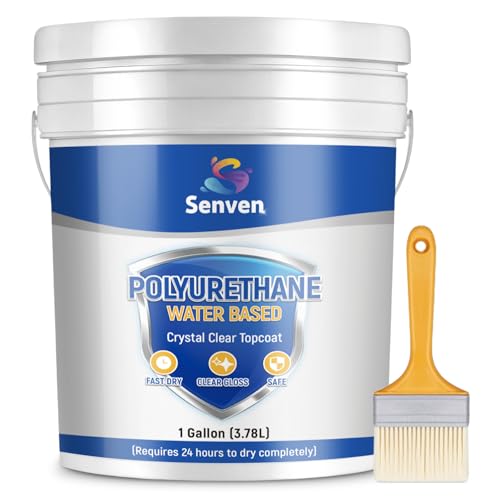
The typical wait for a clear finish to become touch-dry is around 2 to 6 hours, depending on the specific product and environmental factors. Complete curing usually takes about 24 to 48 hours. During this period, it’s crucial to maintain proper ventilation to expedite the evaporation process.
Humidity and temperature play significant roles in how quickly the coating sets. Ideal conditions are around 70°F (21°C) with low humidity. In higher humidity or cooler temperatures, the drying process can extend considerably. In such conditions, expect the finish to take up to several days to cure fully.
For optimal results and to avoid imperfections, avoid placing any objects on the surface until fully cured, usually after 72 hours. This approach ensures that your piece achieves the desired durability and appearance without smudges or scratches.
Duration of Curing on Wood Pieces
Expect approximately 4 to 6 hours before the initial touch to avoid smudges. However, full solidity takes about 24 to 48 hours, varying based on temperature and humidity.
For optimal resilience, I usually wait a week before subjecting the surface to heavy use. Lower temperatures or high moisture levels can extend this timeframe, while warm, dry conditions may expedite the process.


If applying multiple coats, allow each layer at least 24 hours of curing time. Light sanding between layers enhances adhesion. Always check the manufacturer’s instructions for specific guidelines, as formulations can differ significantly.
During this period, ensure adequate ventilation to facilitate evaporation and prevent odor buildup. If you notice any stickiness after the suggested duration, it may require more time to properly set.
Understanding Polyurethane Types and Their Drying Times
Choosing the right formulation is key to achieving optimal results on surfaces. There are mainly three types available: oil-based, water-based, and conversion varnish, each with distinct characteristics and setting durations.
Oil-Based Varieties
Oil-based solutions typically require a longer period to cure, taking around 8-12 hours for a touch dry and 24-48 hours until it’s ready for a final coat. This type tends to enhance the grain of the wood while providing a warm tone, but the extended wait can be challenging for time-sensitive projects.
Water-Based Formulations
Water-based options allow for expedient handling times, usually achieving a dry state within 1-2 hours. However, full curing may still take up to a week. These formulations are preferred for their low odor and quick turnaround, making them suitable for indoor applications where ventilation may be limited.
Finally, always ensure proper ventilation during application, as this can influence the curing timeline. Each type caters to specific needs; understanding them can lead to better decisions and outcomes for your projects.
Factors That Affect Drying Time of Polyurethane
Several elements influence the curing of this finish on surfaces. Temperature is a leading factor; warmer conditions typically accelerate the process, while colder climates slow it down significantly.
Humidity level also plays a crucial role. Increased moisture in the air can extend the time required for a complete set. Ideal levels are around 40-60%, as higher humidity may introduce complications.
Application Thickness
The thickness of the applied coats directly affects the setting duration. Thicker layers generally take longer to cure. Applying multiple thin coats leads to faster completion overall.
Ventilation
Proper airflow facilitates quicker evaporation of solvents. Adequate ventilation while working enhances the setting time considerably, while closed spaces may prolong the process.
| Factor | Impact on Curing Time |
|---|---|
| Temperature | Higher heats speed up the process |
| Humidity | Excess moisture can delay curing |
| Application Method | Thin layers cure faster than thick |
| Ventilation | Good airflow shortens setting time |
Testing the Dryness of Coating on Furniture
To confirm the readiness of your surface, conduct a simple touch test. Lightly press your fingertip on an inconspicuous area. If the finish feels cool or tacky, it needs more time.
Use a clean cotton cloth to wipe a corner. If any residue transfers to the cloth, it’s still curing.
Consider the following methods:
- Water Droplet Test: Place a few drops of water on the surface. If it beads up, the layer is still wet. If it soaks in, it’s cured.
- Time-Based Test: Follow the manufacturer’s recommendations for recoat times and check before proceeding to the next step.
- Visual Inspection: Look for a consistent gloss level. Dull spots may indicate areas that haven’t finished setting.
As a final check, gently scrape a small, hidden section with your fingernail. An intact finish means it’s ready; if you see scratches, wait longer.
Best Practices for Applying Polyurethane to Ensure Proper Drying
Ensure an even application using a high-quality brush or foam roller. Working in thin layers significantly lowers time required for curing. Aim for a uniform coat without drips or puddles, which could lead to inconsistencies in finish.
Maintain optimal ventilation during the process. Proper airflow accelerates evaporation, reducing wait period. Open windows and use fans to improve circulation while monitoring temperature and humidity levels. Ideal conditions are temperatures between 70°F and 80°F with humidity around 50%.
Environmental Considerations
Be mindful of the surrounding environment. Avoid applying in areas prone to dust or debris, as contaminants may compromise the integrity of the coating. An enclosed workspace or a makeshift booth can help minimize exposure to unwanted particles.
Timing Between Coats
Adhere to recommended intervals between applications specified by the manufacturer. While some formulations may feel dry to the touch within hours, proper bonding often requires more time to set. Resist the urge to rush; allowing additional time leads to a more durable finish.
Common Mistakes That Delay Polyurethane Drying
Applying too thick a layer is a frequent error. Aim for thin, even coats to promote quick curing. Thick applications lead to surface drying while the underneath remains tacky.
Environmental Conditions
Ignoring temperature and humidity levels can hinder vapor escape. Optimal conditions include a temperature range of 70°F to 80°F and relative humidity below 50%. Avoid working in poorly ventilated areas.
Inappropriate Application Tools
The choice of brushes or rollers impacts absorption and evenness. Synthetic brushes designed for oil-based products work best, while foam applicators may hold too much liquid. Clean tools thoroughly before use to prevent contamination.
- For best results, use a high-quality synthetic brush.
- Avoid using old or dirty tools.
- Do not mix different brands or types of coatings.
Skipping proper preparation can also create issues. Sanding surfaces not only promotes adhesion but also ensures a smoother finish. Clean the area to eliminate dust and debris before applying.
Finally, neglecting to allow sufficient curing time between coats can complicate matters. Always follow the manufacturer’s guidelines for recoating times to avoid compromising the finish.
Tips for Speeding Up the Drying Process
Maintain a temperature between 70°F and 80°F (21°C to 27°C). This range encourages quick evaporation of solvents.
Increase airflow in the area by using fans or opening windows. A steady breeze helps accelerate moisture release, minimizing wait times.
Avoid applying thick layers. Thin coats provide quicker evaporation and improve overall results.
Consider using a fast-drying formula. Some brands offer quicker curing options, which can save valuable time.
Use a dehumidifier in humid conditions. Lower humidity can drastically reduce the time required for hardening.
Monitor the surrounding temperature carefully. Indoor heating or cooling might be necessary to keep an optimal environment.
Avoid exposure to dust or contaminants during the process, as they can interferce with the finish and extend the necessary wait time.
| Tip | Description |
|---|---|
| Temperature Control | Keep it between 70°F and 80°F (21°C to 27°C). |
| Airflow | Use fans or open windows to increase circulation. |
| Thin Coats | Apply in thinner layers for faster curing. |
| Fast-Drying Formulas | Choose products designed for quicker drying. |
| Humidity Control | Use a dehumidifier in humid environments. |
| Environment Monitoring | Adjust heating or cooling for optimal conditions. |
| Dust Prevention | Keep surfaces free from dust and debris during the process. |
Comparing Water-Based vs Oil-Based Coating Drying Times
Water-based formulations typically need 2 to 4 hours for an initial set, while oil-based versions can take 6 to 8 hours before they feel tacky. This initial phase is critical for avoiding dust and debris settling into the finish.
After the first coat, water-based options can be sanded and recoated within 4 to 6 hours, allowing for a quicker overall application process. In contrast, oil-based solutions often require 12 to 24 hours before light sanding is advisable.
Final curing varies significantly; water-based coatings reach full hardness in about a week, while oil-based varieties may take up to 30 days to fully harden. Temperature and humidity levels will greatly influence these timelines for both types. Generally, higher temperatures and lower humidity accelerate the curing process.
In practical terms, if speed is critical, water-based products are more suitable, especially for projects that require multiple coats within a single day. However, oil-based finishes offer superior durability and depth of color, making them preferable for high-traffic areas despite their longer wait times.
Long-Term Curing Process After Initial Drying
After the surface appears set, a critical phase begins. The material continues to cure, which can take several weeks depending on environmental conditions. Under optimal circumstances, full curing may take between 30 to 90 days.
During this period, avoid heavy use or placing objects on the treated surface. The chemical process enhances durability and resilience. Ensure the area remains well-ventilated to facilitate optimal evaporation of solvents.
Check the humidity level; it should ideally be between 40-60%. High humidity prolongs the curing time. If possible, enhance airflow with fans or dehumidifiers while protecting against dust.
Temperature plays a significant role too. Between 65°F and 75°F is best for curing, while cooler temperatures slow down the process. Apply heat lamps cautiously to maintain consistent warmth without overheating the surface.
Lastly, periodic checks can determine if the surface feels hard and stable. Even after the initial setting phase, ensure patience for achieving the maximum performance and longevity of the finish. Applying a second coat too soon can disrupt the curing process, so it’s best to wait until the first layer is fully cured before additional applications.