Caleb Turner
In my experience, these parasites can survive on various surfaces for a limited duration. Typically, they remain viable on items like cushions, bedding, and clothing for up to 48 hours. However, certain conditions, such as temperature and humidity, can significantly influence their lifespan.
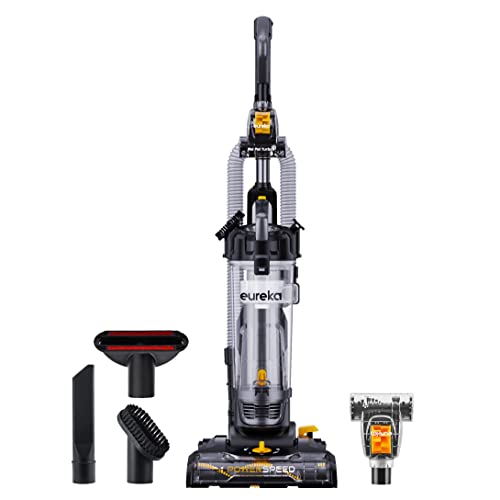
It’s essential to tackle any potential infestation proactively. I recommend vacuuming upholstery and rugs thoroughly. Following that, wash any machine-washable textiles in hot water, as the heat will help eliminate any remnants of the invaders.
For non-washable items, sealing them in a plastic bag for at least two weeks will ensure that any existing insects are unable to thrive. Remember, thorough cleaning and regular inspections of shared spaces can prevent re-infestation effectively.
Understanding the Life Cycle of Lice
The entire existence cycle of these parasites consists of three main stages: egg, nymph, and adult. Understanding each phase is critical for effective management and prevention.
Egg Stage
Eggs, or nits, are laid near the scalp where warmth and humidity support their development. They adhere firmly to hair strands, making them difficult to remove. Incubation lasts approximately 7 to 10 days, during which the eggs mature into nymphs.


Nymph and Adult Stages
Nymphs emerge after hatching and progress through three molts within about 7 to 10 days, turning into adults capable of reproduction. Adult parasites can survive up to 30 days on a host and are highly proficient at moving to new hosts for survival. Regular inspections and treatment help disrupt their life cycle effectively.
Survival Time of Lice on Different Materials
Keeping an eye on the potential for infestation in various textiles is key. Here’s a breakdown of survival times for different surfaces:
- Fabric: Lice typically persist for 1-2 days on most cloth materials, such as clothing and bed linens.
- Leather: On leather surfaces, these pests can last about 1 day. The smooth surface offers less refuge.
- Wood: Wood surfaces may harbor them for up to 1 day, primarily due to less moisture availability.
- Plastic: This material provides a suitable environment, allowing them to survive for approximately 2-3 days.
- Carpets: These fabrics can hold onto them for around 1-2 days, depending on the thickness and pile.
Regular cleaning and vacuuming can significantly reduce the likelihood of survival on these surfaces. Washing textiles in hot water is effective in eradicating them.
Factors Influencing Lice Longevity on Furniture
Temperature plays a significant role in the sustainability of these parasites. I’ve found that warmer conditions can substantially increase their lifespan. Environments with temperatures around 75-86°F (24-30°C) favor their survival, while cooler settings can shorten their viability.
Humidity Levels
High humidity enhances the chances of prolonged existence. These organisms thrive in moist air, and I’ve observed that a relative humidity above 50% can contribute to their persistence on various surfaces. Conversely, dry conditions often lead to rapid desiccation.
Material Composition
The type of surface affects how long these creatures endure. For instance, porous materials such as fabrics or carpets can retain moisture, facilitating a longer lifespan. In contrast, smooth, non-absorbent surfaces tend to deter them, leading to quicker die-off. Additionally, the presence of detritus or organic matter may create an environment that supports their survival.
Regular cleaning and disinfecting of areas where infestation is suspected can disrupt their lifecycle. Implementing heat treatments or thorough laundering of textiles reinforces efforts to eradicate them effectively.
Common Household Items That Can Harbour Lice
Items often overlooked can provide a suitable environment for these pests. Soft furnishings, clothing, and especially items that come into close contact with the head, are key habitats for these nuisances. Here are specific household items and their potential for harboring them.
| Item | Risk Level | Recommendation |
|---|---|---|
| Pillows and Cushions | High | Regularly wash in hot water and replace pillowcases frequently. |
| Hats and Helmets | Moderate | Avoid sharing and clean with alcohol wipes or wash if fabric. |
| Blankets and Throws | High | Wash on a hot cycle every week, especially after use by someone affected. |
| Stuffed Animals | Moderate | Place in a sealed plastic bag for at least 48 hours or wash in hot water. |
| Combs and Brushes | Very High | Disinfect with hot soapy water or rubbing alcohol after each use. |
| Car Seats | Moderate | Vacuum regularly and clean with safe upholstery cleaners. |
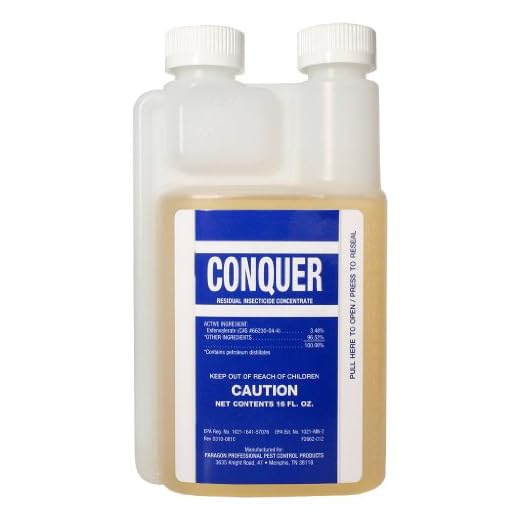
| Sofa and Upholstered Chairs | High | Vacuum often and treat with appropriate insecticides if infestations occur. |
Implementing these recommendations is crucial for reducing the risk of infestation. Regular cleaning and monitoring the mentioned items will help keep the household free of these unwelcome guests.
Identifying Infestation of Parasites on Household Items
To spot an invasion of parasites on items in your home, look for small, moving specks that resemble tiny grains of sand. These may be adult critters or nymphs. Check seams, cushions, and hidden crevices. Additionally, observe for signs like dark spots, which can be their droppings.
Inspect any recently used linens or upholstery closely. Uneven itching sensations often indicate proximity to affected materials, even when visual evidence isn’t apparent. Pay attention to emotional responses; persistent discomfort around specific areas can signal underlying issues.
Conducting a thorough examination of common areas where pets may interact with objects can reveal unwanted guests. Look under blankets, between cushions, and along the edges of couches. If you notice a significantly increased number of scratching episodes among your family members or pets, inspect areas frequently in use.
Regularly cleaning and vacuuming can help minimize encounters. If you find evidence of pests, treatment should be initiated immediately. Discard any infested items that cannot be cleaned thoroughly, and ensure proper sanitation practices are followed. Seal any suspect materials in bags before disposal to prevent further spread.
Cleaning Strategies to Remove Infestations from Household Items
I recommend vacuuming all upholstered surfaces thoroughly. Use a vacuum attachment to reach into corners and seams where these pests may hide. After vacuuming, seal the bag or canister tightly and dispose of it outside to prevent reinfestation.
For hard surfaces, a solution of hot soapy water works effectively. Wipe down surfaces with a cloth soaked in the solution, ensuring you concentrate on areas like crevices and under cushions. Following this, a disinfectant can be applied for added assurance.
Steam cleaning is beneficial for upholstery and carpets, reaching temperatures that can eliminate hidden organisms. Ensure the steam penetrates deep into the fabric. Let items dry completely afterward to deter any resurgence.
Encasing infested cushions and pillows in airtight covers can starve any remaining organisms. This method gives time for any life cycle stages to expire without access to a host.
Regularly rotating and washing any removable coverings in hot water contributes to maintaining a pest-free environment. Ensure that these textiles are dried on high heat to maximize efficacy.
Items that are not washable should be placed in a sealed plastic bag for a minimum of two weeks, depriving any remaining life forms of their survival conditions.
Monitoring and subsequent cleaning cycles may be necessary to prevent future issues. Consider integrating these strategies into routine cleaning practices for long-term prevention.
Preventive Measures to Avoid Future Infestations
Regularly inspect personal items, especially clothing, bedding, and upholstery. Washing and drying at high temperatures can effectively eliminate any residing eggs or adult insects. Aim for a wash cycle of at least 130°F (54°C) followed by drying for at least 20 minutes.
Maintain Clean Surroundings
- Vacuum carpets, rugs, and cushions frequently to remove any stray insects or eggs.
- Dust and clean surfaces where these pests may hide.
- Keep personal items such as hats, scarves, and backpacks separate from communal areas.
Limit Sharing Personal Items
- Avoid sharing hairbrushes, combs, or hats.
- Educate family members about the risks associated with sharing personal belongings.
Implement a routine check of family members for any signs of infestation. If detected, treat affected individuals promptly to prevent the spread to surrounding areas.
In homes with children or frequent visitors, consider using protective covers for sofas and mattresses. These barriers can minimize the chances of these pests establishing themselves.
Stay informed about potential outbreaks in your community. Awareness can help in taking preemptive measures before an issue escalates.
When to Seek Professional Help for Lice Control
If DIY methods prove ineffective within a week, it’s advisable to consult a pest control expert. Professionals possess specialized tools and products that may not be available to the general public, enhancing the likelihood of successful eradication.
Signs of an extensive infestation, such as visible clusters of eggs or nymphs on various surfaces, warrant immediate attention from a specialist. A thorough inspection often uncovers hidden nests not easily visible to the untrained eye.
If anyone in the household experiences severe itching or skin irritation, that could indicate a need for immediate intervention. Professional assessment ensures both the problem and its potential repercussions are addressed promptly.
Additionally, if an infestation reoccurs despite thorough cleaning routines, it may indicate underlying problems that require expertise to resolve. Identifying the source accurately is crucial to preventing future outbreaks.
Consulting a professional can provide not only treatment but also valuable advice on prevention strategies. They can offer insights tailored to your specific situation, including care recommendations for materials and items commonly harboring these pests.
In multispecies environments, such as daycare centers or schools, seeking assistance early can prevent widespread issues, protecting others from potential infestations.
FAQ:
How long can lice survive on furniture and textiles?
Lice can live on furniture and textiles for a short period, usually up to 48 hours. They depend on human blood for their survival, making it difficult for them to thrive away from a host for extended periods. However, it is essential to clean and sanitize these areas to reduce any risk of infestation.
What should I do if I find lice on my furniture?
If you find lice on your furniture, start by vacuuming the affected areas thoroughly. This includes upholstery, carpets, and cushions. After vacuuming, wash any removable fabric items in hot water and dry them on high heat. It’s also helpful to use a lice spray designed for surfaces to treat areas that may have been in contact with infested individuals.
Can lice live on hard surfaces like wood or plastic?
Lice cannot survive long on hard surfaces such as wood or plastic. They generally require a host to feed on, which limits their lifespan on these types of surfaces to just a few hours. Regular cleaning and sanitizing of hard surfaces can help prevent any potential spread of lice.
Is it necessary to treat furniture if I or my child has lice?
Treating furniture is not strictly necessary if lice are present only on a person, as lice primarily live on human hosts. However, it’s a good idea to clean and inspect furniture to prevent any lingering eggs or nits from hatching, which could lead to future infestations. Washing bedding, clothing, and treating the scalp are the priority steps in lice management.
How can I prevent lice from spreading to my furniture?
To prevent lice from spreading to your furniture, maintain good personal hygiene and avoid sharing personal items like hats, combs, and pillows. Regularly inspect your children’s hair and educate them about lice. If someone in your home is infested, take immediate action to treat the condition and clean your living space to minimize the chances of spreading lice.
How long can lice survive on furniture?
Lice can survive on furniture and other non-living surfaces for up to 48 hours. This duration depends on factors such as the type of lice and the environmental conditions, like humidity and temperature. After this time, they typically lose their ability to survive and reproduce. To minimize the risk of lice transmission, it is advisable to regularly clean furniture and wash bedding and clothing.
What measures should I take to ensure my furniture is lice-free?
To ensure your furniture is free from lice, first, vacuum the furniture thoroughly to remove any fallen hairs or lice. You should then consider treating the area with a suitable insecticide designed for lice, taking care to follow the product instructions. Additionally, washing any fabric items that come into contact with the furniture, such as cushion covers or throws, in hot water can kill any potential lice. Ensuring that the furniture is kept clean and maintained will further help in preventing any lice infestations.