Caleb Turner

Allergens from feline companions persist on surfaces for several weeks without proper cleaning. Research indicates that these microscopic particles can linger in your home environment, making it essential to adopt a consistent cleaning routine.
Generally, allergens can remain on sofas, carpets, and various household items for up to three to four weeks unless actively removed. Regular vacuuming with HEPA filters and using allergen-resistant covers can significantly reduce the presence of these irritants.


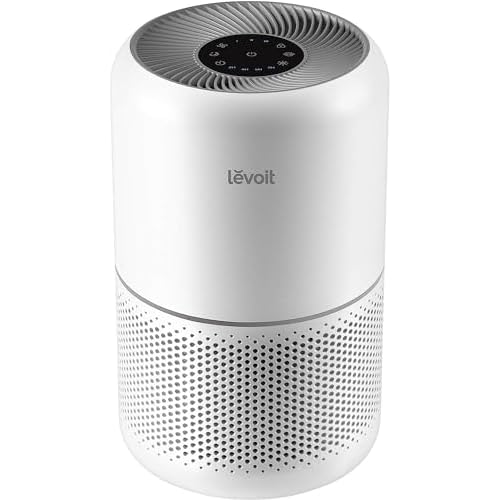
To minimize exposure, I recommend weekly deep cleaning. This includes washing removable fabrics in hot water and using air purifiers equipped with HEPA filters, which help in trapping airborne particles. Reducing clutter can also limit places where allergens can accumulate, contributing to a healthier living environment.
Duration of Allergen Persistence on Surfaces
Allergen particles from felines can remain on various surfaces for extended periods, often ranging from several days to weeks. I have observed that specific environmental conditions significantly influence this timeline. For example, in a humid setting, these particles may adhere more strongly to materials.
Materials such as fabric and carpet can retain allergens longer than hard surfaces like wood or tile. Regular cleaning routines are advisable; vacuuming with a HEPA filter frequently helps reduce allergen accumulation. I recommend washing soft furnishings in hot water, as this effectively removes stubborn particles.
Air circulation plays a role as well; using air purifiers specifically designed to capture microscopic allergens can greatly reduce their presence in your home. Implementing these strategies will minimize exposure for sensitive individuals.
Understanding Cat Dander Composition
Cat allergens primarily originate from proteins found in saliva, skin, and urine. These proteins, specifically Fel d 1, are highly adaptable and can cling to various surfaces, making them significant contributors to allergic reactions. Regular cleaning is crucial to manage these proteins effectively.
Protein Types in Cat Allergens
The key proteins linked to allergic responses in cats include:
| Protein | Source | Allergenicity |
|---|---|---|
| Fel d 1 | Saliva and skin | Highly allergenic |
| Fel d 2 | Skin | Moderately allergenic |
| Fel d 3 | Urine | Less allergenic |
Cleaning Recommendations
To minimize the impact of these proteins, I recommend frequent vacuuming with HEPA filters and using air purifiers. Additionally, washing fabrics like curtains and couch covers in hot water can drastically reduce allergen concentration. Regular grooming of pets also helps control the dispersal of these proteins.
Factors Affecting Dander Lifespan on Surfaces
Temperature and humidity directly influence how particles linger on various materials. Warmer temperatures can accelerate the breakdown of proteins, while high humidity levels may allow allergens to become airborne more easily.
Material Type
The composition of the item significantly impacts the retention of allergens:
- Upholstery: Softer surfaces trap particles, making removal more challenging.
- Wood and laminate: These materials are easier to clean, reducing the time allergens remain.
- Carpets: They can hold onto allergens for extended periods due to their fibers.
Cleaning Frequency
Regular maintenance affects how long particles persist:
- Vacuuming: Frequent vacuuming minimizes accumulation and helps remove particulates.
- Wiping: Routine dusting and surface wipes eliminate settled allergens effectively.
- Air Purification: Utilizing air filters aids in trapping airborne components, contributing to cleaner environments.
Understanding these factors can help develop effective strategies for reducing allergenic particles in living spaces.
Typical Duration of Dander Persistence
Typically, allergens from felines can remain on surfaces for several weeks or even months. Various studies suggest that microscopic particles can linger long after the animal leaves the area. This can pose a challenge for individuals with sensitivities.
Factors influencing this timeframe include:
- Environmental conditions such as humidity and temperature
- Type of material involved, with porous fabrics often retaining particles longer
- Frequency of cleaning and aeration within the environment
In controlled environments, such as absent airflow or elevated humidity, particles might persist longer, while regular dusting and vacuuming can reduce their presence substantially.
It’s beneficial to employ HEPA filters in air purifiers and vacuums to assist in trapping these allergens more effectively. Regular maintenance routines are vital for minimizing exposure, particularly for sensitive individuals.
Consider implementing the following strategies:
- Wash textiles regularly in hot water.
- Use allergen-proof covers on mattresses and pillows.
- Declutter spaces to lessen particle accumulation.
By understanding these dynamics, one can better manage their environment for improved comfort and health.
Impact of Humidity and Temperature on Dander
Maintaining optimal humidity levels between 30% and 50% significantly influences the behavior of allergenic particles. High humidity encourages growth of mold and dust mites, making particles more prevalent in the indoor environment.
Humidity Levels
- Over 50%: Increased moisture causes airborne particles to clump together, potentially settling on surfaces.
- Below 30%: Dry conditions cause particles to become airborne easily, making them harder to control.
Temperature Influences
- Warm temperatures accelerate the breakdown of allergens, leading to quicker degradation.
- Cool temperatures can prolong the lifespan of particles attached to surfaces.
Overall, controlling both humidity and temperature plays a crucial role in minimizing allergenic exposures. Regular monitoring can lead to better allergy management strategies.
Best Practices for Cleaning Pet Allergens from Surfaces
Using a vacuum equipped with a HEPA filter offers the most efficient way to minimize airborne irritants. Regular vacuuming, at least twice a week, helps capture fine particles lodged in upholstery and carpets.
For dusting, consider a microfiber cloth. This material traps particles rather than scattering them into the air. Wipe surfaces frequently to prevent buildup, targeting high-contact areas like couches and chairs.
Wash removable fabric covers and cushion cases in hot water, as high temperatures aid in eliminating potential allergens. Aim for monthly washes to maintain a fresh environment.
Consider using an air purifier with HEPA filtration. Placing it strategically in frequently used spaces will help capture airborne particles effectively.
Don’t overlook the importance of maintaining optimal humidity levels. A dehumidifier can assist in avoiding excess moisture, which can contribute to particle accumulation and prolong their presence.
Implementing these methods consistently ensures a cleaner living space, reducing exposure and improving overall air quality.
Duration of Allergen Trigger Potential
The potential for allergens to provoke reactions can extend from a few minutes to several years, depending on specific conditions. In spaces where exposure to these substances occurs frequently, symptoms may manifest rapidly upon contact.
Research indicates that allergens from felines can persist in environments long after the source has been removed. They can cling to surfaces, infiltrate fabrics, and circulate within the air. This persistence is primarily due to their minute size, allowing them to remain airborne and settle in various places.
Allergic individuals may react even to traces of these particles. The severity of the response can vary based on each person’s sensitivity and the concentration of allergens present. It is common for symptoms to occur immediately or sometimes with a delay, particularly in cases of cumulative exposure.
Regular cleaning and maintenance practices can significantly minimize the risk of triggering reactions. Investing in HEPA filters for air purifiers and vacuum cleaners further reduces airborne particles. I recommend utilizing damp cloths for wiping surfaces to capture allergens instead of merely scattering them into the air.
Preventative Measures to Reduce Cat Dander Accumulation
Frequent grooming significantly minimizes allergen presence; brushing at least twice weekly can capture loose hairs and flakes. Best to use a vacuum with a HEPA filter designed for pet owners to eradicate allergens from carpets and upholstery.
Regular cleaning of soft furnishings such as curtains and cushions is vital. Wash these items in hot water monthly to eliminate built-up residues. Encasing mattresses and pillows in allergen-proof covers prevents the accumulation of irritants.
Air Quality Control
Implementing air purifiers equipped with HEPA filters throughout living spaces greatly enhances air quality. Change filter cartridges routinely to ensure optimum performance. Additionally, maintaining low humidity levels (below 50%) will help minimize the spread of allergens in the environment.
Design Choices
<p Opting for hardwood, tile, or linoleum flooring instead of carpets aids in reducing allergen retention. If carpeting is preferable, consider those treated with stain resistants specifically aimed at diminishing allergen adherence.
| Measure | Benefit |
|---|---|
| Regular Grooming | Reduces loose hair and flakes |
| Vacuum with HEPA Filter | Eliminates allergens from surfaces |
| Wash Soft Furnishings | Removes accumulated irritants |
| Use Air Purifiers | Enhances overall air quality |
| Allergen-Proof Covers | Prevents accumulation in bedding |
These targeted measures collectively contribute to a reduced allergen environment, promoting comfort and well-being for all household members.
The Role of Air Filtration in Dander Management
Utilizing high-efficiency particulate air (HEPA) filters in air purifiers can significantly reduce airborne particles, including allergens produced by felines. I recommend positioning these devices in key areas such as living rooms and bedrooms to maximize airflow and capture allergens.
Regularly replacing filters according to manufacturer guidelines is crucial for maintaining optimal performance. Accumulation of particles can hinder airflow and reduce filtration efficiency.
Ensure that air purification systems are run continuously, especially during peak shedding seasons. This proactive approach will aid in minimizing the concentration of allergens in the environment.
Additionally, consider integrating whole-house filtration systems connected to HVAC units. These systems can effectively filter particles from the air circulated throughout the home, providing a broader reach compared to standalone units.
Combining air filtration with good hygiene practices like frequent vacuuming with HEPA-equipped vacuums and washing fabrics can create a multi-faceted strategy against allergens. The collaboration of these methods will lead to enhanced air quality and reduced allergic reactions.