Caleb Turner

On average, creating bespoke pieces generally spans from four to twelve weeks, depending on the intricacy of your design and the materials employed. For simpler designs, a duration of around four to six weeks can be anticipated, while highly detailed projects may require additional time.
It’s crucial to incorporate factors like design complexity, material availability, and the craftsmanship involved. For instance, if you are selecting unique hardwoods or specialized finishes, procurement can extend the timeline. Collaboration with the artisan at each phase ensures that adjustments align with your vision, which may also contribute to the overall time frame.
If you’re working with a designer or a shop, it’s advisable to clarify the timeline and any potential delays upfront. Establishing clear communication helps manage expectations and keeps the project on track. Regular updates from the craftsmen can provide a more accurate picture as work progresses.
Timeframes for Customized Pieces
I recommend allocating approximately 8 to 12 weeks for production after finalizing the design and material selection. Some variations exist based on complexity and material availability.
For simpler projects, like basic shelving or straightforward cabinetry, I find a turnaround of 4 to 6 weeks is often achievable. In contrast, intricate designs involving handcrafted elements or specialty woods may stretch to 16 weeks or more.


Once the initial design phase is completed, I suggest maintaining clear communication with your maker. Regular updates can help manage expectations and address any potential delays early.
Another key factor influencing delivery time is the season. Many craftsmen experience peak demand during holidays, which might lead to longer wait times. Ordering ahead can help in avoiding stress.
Lastly, installation scheduling should also be considered. It can add an additional week or two to the complete process, depending on the contractor’s availability and your location.
Understanding the Design Phase Duration
The design phase typically spans 2 to 6 weeks, depending on several factors including complexity and client feedback. Initially, I gather requirements through consultations to pinpoint your vision, which usually takes about a week.
Next, sketching concepts and refining ideas can occupy an additional 1 to 3 weeks. This stage involves collaboration and revisions. After presenting initial drafts, I incorporate your input, which can extend the timeline if significant changes are requested.
For more intricate pieces, I often create detailed renderings or 3D models. This process can add another week to the phase but ensures every detail aligns with your expectations. Once the design is finalized, I provide specifications and materials selection, which wraps up the design stage.
To streamline the process, having clear ideas and prompt feedback on designs helps maintain momentum. Planning ahead and being decisive also significantly reduces delays during this phase.
Overall, while each project is unique, maintaining open communication and clear objectives will help me deliver designs efficiently within this timeframe.
Factors Influencing Material Sourcing Time
A variety of elements impact the duration for obtaining materials. The most significant among these are availability, lead times, and supplier reliability. Understanding these factors can lead to more accurate project timelines.
Material Availability
Specific materials, especially unique or exotic types, can have variable availability based on market demand and local supply chains. For instance, reclaimed wood or specialty metals may require extended sourcing periods. Researching local suppliers in advance helps mitigate delays.
Supplier Relationships
Establishing strong connections with suppliers often results in better communication and faster processing times. Long-standing partnerships typically yield priority service and shorter lead times. Regular checks with suppliers regarding stock levels and expected delivery dates play a critical role in ensuring timelines remain on track.
Typical Production Times for Different Furniture Types
Expect to wait approximately 4-8 weeks for a bespoke dining table. This period accounts for the design phase, material preparation, and assembly.
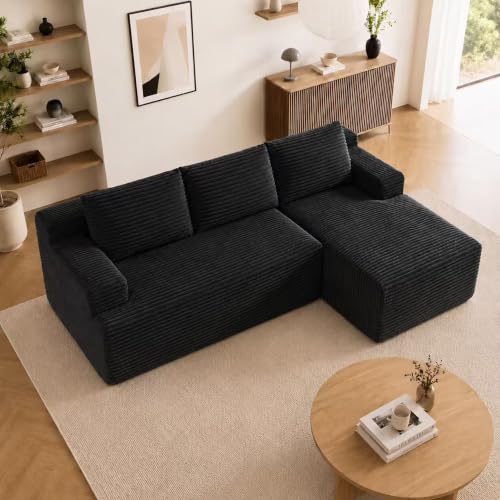
For a unique sofa, production typically spans 6-12 weeks, influenced by the complexity of the design and upholstery choices.
Cabinets and storage units generally require 4-10 weeks from conception to completion. Their build time hinges on material quality and custom features.
Benches and ottomans can be ready in about 3-6 weeks, reflecting simpler construction compared to larger pieces.
| Furniture Type | Production Time Frame |
|---|---|
| Dining Table | 4-8 weeks |
| Sofa | 6-12 weeks |
| Cabinets | 4-10 weeks |
| Benches/Ottomans | 3-6 weeks |
Bed frames and headboards typically take 5-9 weeks, emphasizing their more intricate design elements.
Custom office desks may require 6-10 weeks, particularly if storage solutions are included in the design.
For more intricate projects, such as built-in shelving or entertainment units, the timeline can extend from 8-12 weeks based on size and complexity.
Lead Times for Custom vs. Ready-Made Furniture
I recommend considering the significant differences in timelines between bespoke pieces and mass-produced items. Ready-made options typically ship within days to a few weeks, depending on availability and location. In contrast, bespoke options may demand several weeks to several months, primarily influenced by the complexity of the design and the materials chosen.
Delivery Timeframes
When evaluating the lead times, ready-made selections often have established shipping processes, ensuring quick delivery. On the flip side, made-to-order items require more extensive planning and execution phases, from conceptualization to craftsmanship.
Post-Order Processing
The post-order stages differ as well. For ready-made selections, returns and exchanges are often processed swiftly. However, bespoke items often need additional time for modifications or adjustments due to their unique nature.
Understanding these factors can guide your decision-making when selecting between ready-made solutions and tailored pieces. If time is a priority, opting for mass-produced items may be prudent, while those seeking uniqueness and personalization might consider the extended timeframe for bespoke creations.
Installation Scheduling After Furniture Completion
To ensure a smooth installation after the piece is completed, I recommend scheduling the installation as soon as possible. This proactive approach minimizes delays and helps coordinate with other home improvement projects.
Follow these steps:
- Contact the Installation Team: Reach out to your chosen team immediately after finalizing the build. Discuss availability and potential time frames for installation.
- Confirm Measurements: Double-check that the dimensions of the space are accurate and that there are no obstacles that could complicate the installation process.
- Set a Date: Agree on a specific installation date. It’s wise to choose a day when someone will be home to supervise and facilitate the process.
- Prepare the Area: Clear the space where the piece will be placed. This includes moving existing furniture and ensuring the pathway is free of obstructions.
Remember to communicate with the installation crew regarding any special requirements or preferences. It’s also beneficial to have a checklist ready for the day of installation to ensure everything goes smoothly:
- Check that all parts and materials are on site.
- Have tools ready if any adjustments are needed.
- Plan for cleanup after the installation is complete.
Setting clear expectations with an installation timeline ensures the entire process is seamless and satisfying. By taking these steps, I can make certain that the space is ready to showcase the new masterpiece efficiently.
Communication Between Designer and Client During the Process
Establish regular check-in points to enhance collaboration. A weekly meeting can facilitate real-time feedback and adjustments. Utilize digital tools for sharing designs and updates swiftly.
Be open about timelines and any potential delays. Clear communication regarding expectations prevents misunderstandings. For example, if material sourcing faces challenges, inform your client immediately.
Document all decisions and revisions. Create a shared online folder with design updates, sketches, and approval notes to keep everything organized and accessible.
- Set clear goals for each phase of the project.
- Encourage clients to express their vision and concerns openly.
- Provide visual aids and examples to ensure alignment on the design.
- Remain accessible for questions or discussions throughout the process.
Incorporate feedback loops at critical stages. After presenting initial designs, request client input to ensure the direction aligns with their expectations.
Be proactive in suggesting alternatives if a design choice may be problematic. For instance, if a selected material has a long lead time, offer substitutes that meet aesthetic and functional requirements.
Establish a channel for ongoing dialogue. Whether through email, messaging apps, or project management platforms, consistent communication maintains a productive relationship.
At project milestones, summarize the current status and next steps. This helps clients feel involved and informed about progress.
Managing Expectations for Delivery Dates
Transparent communication with clients is key to setting realistic delivery timelines. I always recommend discussing potential completion dates early in the design process. Unforeseen delays can arise, so it’s wise to build in a buffer period beyond the expected timeframe. For example, if production is estimated at six weeks, mentioning a possible eight-week timeframe can accommodate any unexpected issues without causing stress.
Regular Updates
I make it a point to provide consistent progress reports throughout the production phase. This not only keeps clients informed but also eases any uncertainty they might feel. Simple updates about material sourcing, design approvals, or production milestones foster trust and maintain engagement in the process.
Preparing for Installation
Align installation schedules with completion timelines. Discuss potential dates for setup early on, factoring in the availability of installation teams and the client’s schedule. This foresight helps avoid surprises and ensures a smooth transition from production to enjoyment of the finished piece.