
 Caleb Turner

The answer is clear: acacia is an impressive choice for external seating solutions, boasting a lifespan exceeding 25 years with proper care. This timber is naturally resistant to elements, including moisture, insects, and UV rays, making it ideal for prolonged exposure outside. Regular treatment with protective oils can enhance longevity and maintain its rich hue.
When comparing options for external installations, acacia stands out due to its density and strength. This material not only tolerates weight well but also resists warping and cracking, common issues in less resilient alternatives. I’ve observed firsthand how well-maintained pieces can withstand seasonal changes without significant wear.
For maintenance, consistent cleaning with mild soap and water, along with occasional oiling, ensures the beauty and strength of structures made from this timber continue to shine. Selecting high-quality acacia can significantly impact durability; thus, sourcing from reputable suppliers is advisable. The investment truly pays off in aesthetic appeal and long-term performance.


How Durable is Acacia Wood for Outdoor Furniture
Investing in furnishings crafted from acacia offers significant benefits. This material exhibits a remarkable resistance to environmental factors, ensuring longevity even in challenging weather conditions. Its natural oils contribute to a protective barrier against moisture, reducing the risk of damage from rain or humidity.
Maintenance Tips
To maximize lifespan, regular upkeep is advisable. Cleaning surfaces periodically with mild soap and water prevents dirt buildup, while applying oil treatment annually can enhance protection and maintain the wood’s rich color. Additionally, using a cover during extreme weather can further safeguard the pieces.
Comparison with Other Materials
Compared to alternatives like pine or plastic, this hardwood stands out due to its enhanced stability and strength. It resists warping and cracking, making it a superior choice for varied climates. While metal options may corrode, this specific timber retains its integrity, making it a reliable selection.
Understanding Acacia Wood Types
Choosing the right species is essential for ensuring quality and longevity in my projects. Among various types, two primary variants stand out: the finely-grained acacia koa and the more common Acacia mangium.
| Type | Characteristics | Common Uses |
|---|---|---|
| Acacia Koa | Dense, rich color; natural resistance to moisture; beautiful figure. | High-end projects, handcrafted items, decorative pieces. |
| Acacia Mangium | Open grain; lightweight; affordable; hearty structure. | Functional items, eco-friendly applications, commercial uses. |
When selecting between these options, I focus on the specific requirements of my project. If aesthetic appeal is a priority, I lean towards acacia koa for its stunning visual attributes. For durability and cost-effectiveness, acacia mangium is my go-to choice.
Understanding these differences helps me make informed decisions, optimizing the balance between beauty and utility in my creations.
Natural Resistance to Weather Conditions
The inherent qualities of specific timber species enable them to withstand adverse environmental influences effectively. Notably, certain varieties exhibit exceptional resistance to moisture, UV radiation, and temperature fluctuations. This characteristic makes them suitable choices for applications exposed to the elements.
<p moisture resistance has been observed in varieties derived from tropical regions, which naturally contain oils and tannins that protect against degradation caused by water exposure. This property ensures that items crafted from such timber can endure rain and humidity without succumbing to warping or swelling.
UV stability is another critical factor. The natural pigments in some species help to prevent graying and fading, maintaining the aesthetic appeal over time despite prolonged sun exposure. Periodic application of protective finishes enhances this characteristic, ensuring lasting visual appeal.
Temperature tolerance is equally significant; variations do not compromise structural integrity. Products remain steadfast through seasonal shifts, making them a practical investment for continuous outdoor use. Regular maintenance practices like cleaning and oiling periodically will bolster these properties, prolonging service life.
Ultimately, selecting a timber species with these natural abilities provides an invaluable advantage, ensuring that creations remain functional and attractive regardless of changing weather conditions.
Impact of Humidity on Durability
High humidity levels significantly affect the longevity of certain natural materials. When exposed to excessive moisture, these materials can swell, warp, or develop mold. Regular monitoring of moisture levels becomes essential for maintaining the integrity of outdoor settings.
- Store in a dry area when not in use to minimize moisture exposure.
- Consider using protective coatings to enhance resistance against dampness.
- Ensure proper ventilation around items to facilitate air circulation.
Optimal humidity levels generally range between 30% and 50%. Deviating from this range can lead to structural issues. For instance, prolonged exposure to high humidity may result in softening of the fibers, compromising strength.
Implementing strategies such as regular inspections and humidity control methods can extend the lifespan of these materials and enhance their performance in damp conditions. Regularly applying a sealant can also provide an added layer of protection against moisture absorption.
- Monitor environmental conditions to assess humidity levels in your area.
- Utilize dehumidifiers in enclosed spaces when necessary.
- Apply maintenance routines to inspect for signs of damage or degradation.
Proper attention to moisture levels will help maintain the aesthetic and functional characteristics over time. Taking proactive measures will ensure that these items withstand varying climatic conditions while retaining their charm and usability.
Comparing Acacia Wood to Other Materials
When it comes to longevity in various climates, alternative options such as teak and cedar stand out. Teak exhibits remarkable resistance to moisture and pests, making it a popular choice. However, my experience shows that it often comes at a significantly higher price point. In contrast, cedar provides some natural durability but can be less resilient against harsh weather without proper treatment.
Metal as an Option
Aluminum and steel are frequently used for patio installations, providing excellent structural integrity and low maintenance. Yet, they can heat up quickly under the sun and may become uncomfortable to touch. Plus, metal can lack the warmth and aesthetic appeal that comes naturally with timber products.
Plastic and Composite Materials
Plastic and composite selections are gaining favor due to their affordable pricing and low upkeep. They are resistant to decay and don’t require sealing. Nevertheless, they may lack the organic feel and beauty associated with timber. In addition, their environmental impact should be considered, as not all composites are recyclable.
In conclusion, while other materials present valuable options, I find that nothing beats the balance of beauty and functionality that natural selections provide, especially when cared for properly. Making your choice depends on specific needs and environmental factors, but there are compelling reasons to lean toward natural materials.
Maintenance Tips for Longevity
Regular cleaning with mild soap and water helps to maintain the surface of the material. I suggest using a soft cloth or sponge to avoid scratches.
Applying a suitable protective sealant or oil annually preserves the aesthetic appeal and provides a barrier against moisture and UV damage. Look for products specifically designed for this type of surface.
During rainy seasons, consider covering your pieces or relocating them to a sheltered area to minimize exposure to excessive moisture.
Inspect joints and fittings periodically to ensure they remain secure. Tightening screws or brackets as necessary prevents structural issues over time.
Keep items elevated off the ground to promote airflow, which reduces the risk of moisture accumulation that can lead to rot.
Avoid placing heavy objects on your furnishings, as this can create indentations. Use coasters under drinks to prevent rings and stains.
For areas with high humidity, consider using a dehumidifier to create a more stable environment, reducing moisture-related damage.
Signs of Wear in Acacia Outdoor Furniture
Regular inspections reveal valuable signs that indicate the condition of your external seating and tables. Look out for the following:
Surface Scratches and Dents
- Fine scratches may develop over time, typically from everyday use or exposure to debris.
- Dents can result from heavy objects being dropped; these can often be minimized with sanding.
Fading and Discoloration
- Direct sunlight may cause a gradual loss of color; UV rays take a toll on the surface finish.
- To combat fading, consider applying a UV-blocking sealant regularly.
Additionally, observe for:
- Cracking: Look for splits in the grain that may extend over time, potentially leading to structural issues.
- Moisture Retention: If water beads on the surface, it may indicate a need for re-oiling or sealing.
- Warping: Uneven surfaces or changes in shape often suggest moisture-related issues, necessitating immediate attention.
Monitoring these signs helps prolong the life of your external pieces, maintaining both their function and aesthetic appeal.
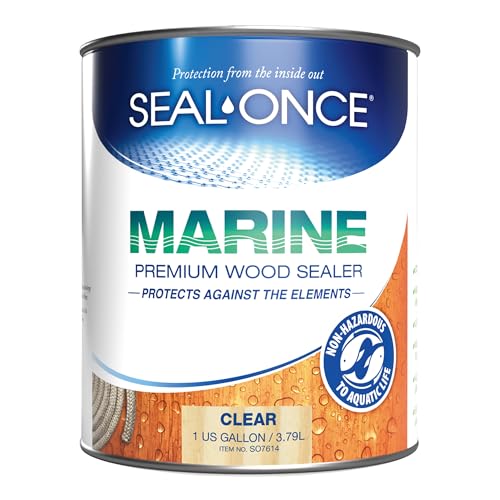
Sealing and Finishing Options for Acacia
Using high-quality seals and finishes greatly enhances the longevity of this material. I’d recommend starting with a penetrating oil finish. This option nourishes the fibers and enhances the natural beauty while creating a barrier against moisture.
Here are specific options to consider:
- Tung Oil: Provides a rich finish, offering water resistance and highlighting the grain.
- Teak Oil: Well-suited for this type of material, it helps prevent drying and cracking while adding a warm glow.
- Varnish: Ideal for those wanting a glossy finish; it adds a hard protective layer but may require more maintenance as it can crack over time.
- Epoxy Sealant: Excellent for extreme conditions, this creates a waterproof barrier but can alter the natural appearance.
Application frequency depends on exposure to elements. Regular checks should be made to determine if reapplication is needed, especially after heavy rains or extreme sun exposure.
Also, consider using UV-resistant products. They help mitigate fading caused by sunlight, assisting in maintaining the vibrant hues of the material.
Finally, regardless of the selected finish, always ensure the surface is clean and dry before application. This simple step maximizes adhesion and effectiveness, leading to superior protection over time.
Care for Your Furniture in Different Climates
In regions with high humidity, I make sure to frequently wipe down the surfaces of my pieces to prevent moisture accumulation. Using a breathable cover can help reduce exposure to damp conditions. A dehumidifier in enclosed spaces also aids in maintaining a consistent environment.
For areas that experience extreme heat, I focus on protecting the items from direct sunlight. I use shades or canopies to limit sun exposure, which can lead to fading and drying. Regular application of UV-resistant finish helps safeguard the surface and retain the natural color.
In cold climates, I store the items indoors during harsh winter months. Before storing, I ensure they are clean and dry to prevent mold or mildew growth. Applying a protective treatment can enhance resilience against winter conditions.
Table below summarizes care tips based on climate:
| Climate Type | Care Recommendations |
|---|---|
| High Humidity | Wipe down surfaces regularly, use breathable covers, consider dehumidifiers. |
| Extreme Heat | Avoid direct sunlight, use shades/canopies, apply UV-resistant finish. |
| Cold Climate | Store items indoors during winter, clean before storage, apply protective treatment. |
By tailoring my care routines to the specific climate, I ensure longevity and maintain the quality of my investment. Regular inspections also allow me to address any wear early, contributing to the durability of my pieces.
Cost-Effectiveness of Acacia Outdoor Furniture
Choosing pieces crafted from this material can significantly reduce long-term expenses due to their natural resilience and longevity. The initial investment might be slightly higher compared to other options, but the durability ensures fewer replacements and repairs over time. I recommend considering the cost-per-use calculation to assess real value.
Longevity and Replacement Costs
Items made from this type of timber can last for a decade or more with appropriate care. Unlike cheaper alternatives that may require frequent replacement, my experience shows that these products can withstand weathering better, ultimately saving money.
Maintenance and Upkeep
Easy maintenance is another factor that contributes to financial sense. Simple cleaning and occasional sealing can keep these pieces in prime condition. I advise allocating a small annual budget for maintenance supplies, which pales in comparison to costs associated with constant repairs of lower-quality options.
Investing in quality ensures peace of mind, knowing that these products will remain functional and aesthetically pleasing for many years. By evaluating my personal experiences and adjusting strategies accordingly, I have found that these selections provide substantial returns in both savings and satisfaction.


