
 Caleb Turner
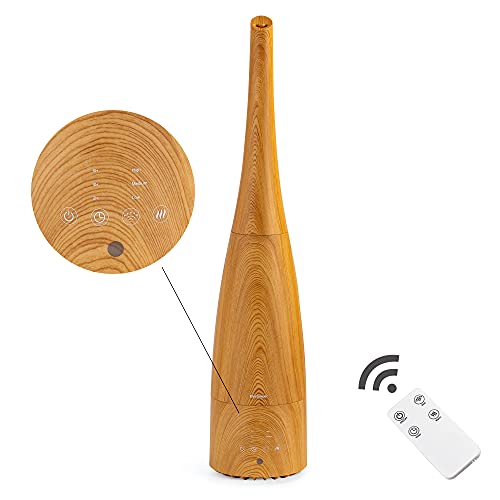
I recommend maintaining indoor humidity levels between 30% and 50% to protect your wooden items during frigid months. Dry air can cause the timber to contract, leading to cracks and splits. Investing in a humidifier can help minimize these issues, ensuring that the materials retain their natural moisture content.
Moreover, direct exposure to cold surfaces can result in thermal shock, causing the structure to warp or bend. To prevent this, place insulating pads under furniture legs or elevate them slightly from cold floors. Regularly check for temperature fluctuations to safeguard the integrity of your beloved pieces.
Additionally, using a gentle, non-abrasive polish regularly can create a protective barrier against the harsh elements. Ensure that you avoid placing items too close to heating sources, as rapid changes in temperature can also compromise the durability of the wood.
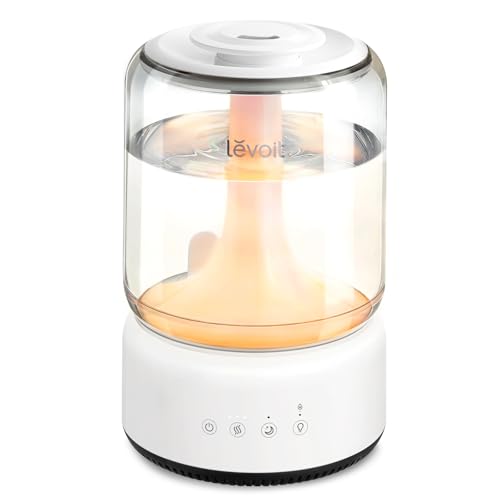


Impact of Low Temperatures on Wooden Items
To prevent damage, maintain a stable environment with moderate humidity levels, ideally between 30% and 50%. This range minimizes the risk of issues such as cracking and warping. Sudden changes in humidity can lead to structural integrity problems.
Common Issues to Watch For
- Cracking: Extended exposure to cold can cause surface splits.
- Warping: Wood may lose its straightness or become misshaped due to temperature fluctuations.
- Joint Separation: Adhesives can weaken, causing parts to come apart.
Preventive Measures
- Use a humidifier to maintain optimal moisture levels in your space.
- Avoid placing items near heating sources as they can dry out materials too quickly.
- Choose thicker, solid pieces over thinner products, as they are less susceptible to damage.
Regular maintenance, such as applying appropriate oils or finishes, can protect surfaces from exposure. Being proactive in care will extend the life of these cherished pieces during colder months.
Impact of Temperature Fluctuations on Wood Expansion
I recommend monitoring room temperatures and humidity levels to mitigate risks associated with temperature variations. Wood responds to environmental changes by expanding or contracting, which can affect structural integrity and aesthetics. Understanding these reactions is pivotal for preservation.
Expansion Characteristics
When temperatures drop, wood fibers contract. This shrinkage can lead to gaps in joints and seams, particularly in assembled pieces. Conversely, significant warmth prompts expansion, potentially causing warping or misalignment. These movements are typically subtle, yet cumulative over time, necessitating ongoing vigilance.
Preventative Measures
To protect your pieces, maintain a stable indoor environment. Utilizing a dehumidifier or humidifier can help regulate moisture content, thereby reducing the likelihood of extreme expansion or contraction. Additionally, placing wood items away from direct sources of heat or cold, like vents or windows, will prevent sudden temperature changes from impacting them.
| Condition | Effect on Wood |
|---|---|
| Low Temperature | Contraction of fibers, potential for gaps |
| High Temperature | Expansion, possibility of warping |
| Fluctuating Temperatures | Cumulative stress, structural issues |
Humidity Levels Influence on Wood Furniture in Cold Conditions
Maintain indoor humidity levels between 30% and 50% to prevent damage to your wooden items. In chilly conditions, humidity often drops, leading to adverse effects like cracking or warping.
Monitor humidity using a hygrometer. If levels fall below 30%, consider using a humidifier to restore balance. Avoid placing wooden pieces too close to heating sources, as they can exacerbate dryness.
Specific types of wood react differently to low humidity. For example, softer varieties may shrink more than harder ones. Understanding these differences can guide your care practices. Regular polishing with appropriate oils can also help mitigate effects caused by low moisture.
| Wood Type | Reaction to Low Humidity | Care Recommendations |
|---|---|---|
| Oak | Minimal shrinkage | Occasional oiling |
| Pine | Significant shrinkage | Frequent humidifying |
| Maple | Moderate shrinkage | Regular dusting |
| Cherry | Minor cracking | Conditioning regularly |
Implementing these practices ensures longevity for your treasured pieces, regardless of the shifting climates outside. Monitoring and adjusting humidity levels in your living space plays a key role in preserving the integrity of your wooden assets.
Preventative Measures for Wood Furniture During Winter
Maintain a consistent indoor temperature by using thermostats to avoid sudden changes that could stress the material. Aim to keep the climate stable between 60°F to 75°F (15°C to 24°C).
Utilize a humidifier to regulate moisture levels, as dry air can lead to cracks and warping. Maintaining a relative humidity of 40-60% is ideal for preservation.
Avoid placing furniture near heat sources, such as radiators or fireplaces. These can cause uneven drying and damage over time. If unavoidable, try to position them at a safe distance.
Apply a high-quality finish or protective wax regularly. This creates a barrier that can resist moisture fluctuations while enhancing the overall aesthetic.
Use furniture coasters and felt pads to prevent scratches and damage from contact with the floor. This helps mitigate the effects of movement during cold months.
Regularly inspect for any signs of damage or wear. Early detection of issues, such as splitting or lifting veneer, can lead to simpler repairs.
Consider covering items with dust covers to shield them from dust and debris during the winter months. This helps keep surfaces clean and reduces maintenance needs.
Incorporate periodic cleaning with a soft, damp cloth. Avoid using harsh chemicals that could strip away protective finishes. A gentle soap solution may be more effective for maintaining the wood’s integrity.
Signs of Cold Weather Damage on Wooden Surfaces
Cracks and splits in the grain often indicate that the temperature changes have stressed the material. Check for visible fissures in items, especially near joints and along the surface. These areas are particularly susceptible to shrinking and expanding, leading to lasting damage.
Surface Discoloration
Notice any darkening or uneven tones? Such discoloration suggests moisture absorption due to rapid temperature drops. Make sure to examine areas exposed to drafts and direct contact with chilly surfaces, as they can intensify these effects.
Loss of Finish
A dull, lifeless appearance on polished items could signal that the protective finish is compromised. Flaking or peeling finishes not only detract from aesthetics but also expose the underlying structure to further deterioration. Regular maintenance and reapplication of finish in response to season changes might mitigate this problem.
Best Practices for Indoor Heating Around Wood Furniture
Position heating units away from wooden pieces. Direct exposure to intense heat can lead to cracks and warping. Instead, opt for space heaters that disperse warmth evenly throughout the room.
Maintain Consistent Temperature
Keeping a stable temperature in your living space is vital. Rapid fluctuations can stress wooden materials, causing them to expand and contract inconsistently. Setting the thermostat to a moderate, steady temperature helps to mitigate this risk.
Control Humidity Levels
Install a humidifier to balance moisture levels indoors. Dry air can sap the natural oils from the surfaces, leading to dullness and dryness. Aim for humidity between 30-50% to maintain the integrity of your furniture.
Be vigilant about checking heating sources regularly. Use a thermometer and hygrometer to monitor conditions. If you notice excessive dryness, take immediate actions to restore balance.
Finally, arrange furniture away from heating vents. This simple adjustment can significantly contribute to preserving their beauty and durability. Protecting your wooden items requires attention to detail, but it pays off in longevity and appearance.
Choosing the Right Wood Types for Cold Climates
Select hardwoods known for their durability and minimal expansion, such as oak, maple, or cherry, as they maintain structure during temperature variations.
Consider softwoods like pine or cedar for lighter pieces; however, ensure they are treated for moisture resistance to prevent warping.
Focus on woods with tight grain patterns, as they are less likely to absorb humidity. This includes teak and mahogany, which naturally resist moisture.
Choose locally sourced varieties when possible. They acclimate better to regional temperature extremes, ensuring optimal performance.
For outdoor or semi-outdoor items, select pressure-treated wood or composite materials that withstand harsh conditions without degrading.
Investigate engineered wood options for added resilience; they often resist changes in humidity and temperature more effectively than solid wood.
Repair Techniques for Cold-Affected Wood Furniture
If you’ve noticed cracks or warping in your wooden pieces, start with filling gaps using wood filler. Apply a small amount into the cracks and level it with a putty knife. Once dry, sand the area until smooth, then finish with matching stain or paint.
Reconditioning Dull Finishes
For surfaces that have lost their luster, clean thoroughly with a mild soap solution, then dry completely. Use a quality furniture polish or a mixture of equal parts vinegar and olive oil. Apply gently with a soft cloth, buffing in circular motions to restore shine and protection.
Dealing with Split Wood
In cases of deeper splits, consider using wood glue. Force the glue into the crack and clamp the pieces together for a few hours. After the glue sets, trim any excess and sand the area down to blend with the surrounding surface. Follow with appropriate finishing to maintain consistency.
Maintaining Finish and Protection in Cold Conditions
To safeguard surfaces during low temperatures, I recommend applying a high-quality wax or polish at the onset of the frigid season. This creates a protective layer that prevents moisture absorption and enhances the sheen.
Essential Steps for Protection
- Clean the surface thoroughly with a suitable cleaner to remove dirt and grime.
- Allow the surface to dry completely before applying any protective product.
- Use a soft cloth to apply the wax uniformly, focusing on joints and edges.
- Buff the surface lightly after application to achieve a smooth finish.
Regular maintenance is key. I recommend inspecting surfaces monthly for signs of wear, and reapplying protection as necessary.
Humidity Control
- Utilize a humidifier to maintain stable humidity levels in the room. This prevents finishes from cracking or drying out.
- Avoid placing items directly on surfaces without coasters, as they can trap moisture.
- Consider applying a thin layer of furniture oil to nourish the surface, preventing it from becoming too brittle.
Those simple practices ensure longevity and preserve the beauty of the items, enabling them to withstand low temperatures while maintaining their elegant appearance.
Storage Solutions for Wood Furniture in Unheated Spaces
Utilize breathable covers to protect pieces from dust and moisture while allowing air circulation. Avoid plastic, as it traps moisture and can lead to mold.
Keep all items elevated from the ground. Use blocks or pallets to prevent direct contact with cold surfaces and potential dampness.
Install a dehumidifier in storage areas to control moisture levels, preventing wood warping and separating joints. A hygrometer can help monitor humidity accurately.
For frequent items, consider rotating them periodically to minimize stationary cold exposure, which can lead to uneven temperature effects.
Ensure ventilation in storage solutions. Opening windows or using fans during milder conditions can help maintain a balanced environment.
Store away from direct contact with exterior walls to avoid harsh temperature gradients that can induce cracks and twists. Position furniture inward, away from cold drafts.
Check and maintain the lacquer or finish on pieces regularly. This provides a protective barrier against incidental moisture and temperature fluctuation.
Utilize foam padding or cloth between stacked items to prevent scratches and pressure marks that can occur over time.
Include silica gel packs in storage bins or on shelves to absorb excess moisture, providing an extra layer of protection.
Plan for regular inspections of stored pieces. Look for signs of damage or changes in condition that could indicate environmental issues.
Always consider utilizing a climate-controlled storage unit, especially for valuable or antique items, ensuring consistent temperature and humidity levels.


