Caleb Turner

Water-based methods effectively tackle dirt and bacteria in upholstery, yielding remarkable results. Begin by ensuring the selected machine has the proper attachments for different surfaces such as cotton, linen, or synthetic fibers.
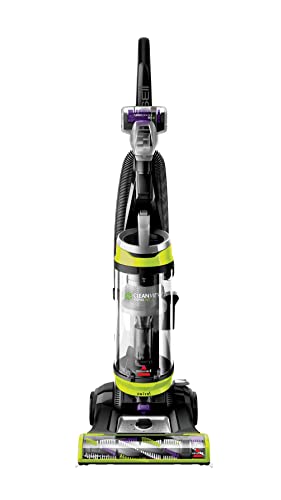
Prior to application, remove any loose debris with a vacuum to prevent distribution of dust during the process. Fill the device with distilled water to avoid mineral buildup, which can hinder performance and damage fabrics.
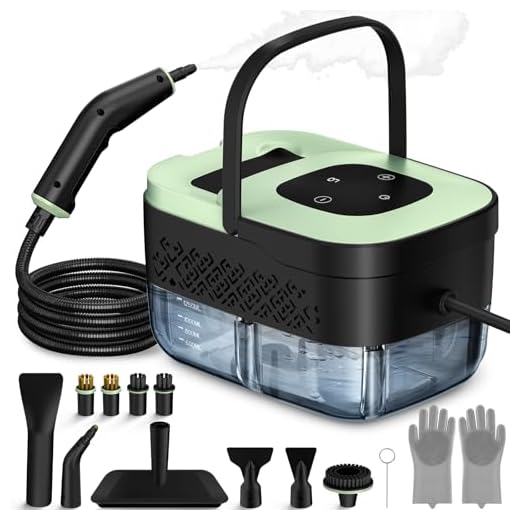


Test a small, inconspicuous area to confirm colorfastness and fabric resilience against moisture and heat. Once suitability is established, move forward with broad sweeping motions, ensuring even coverage without saturating the material.
Allow the item to dry fully by enhancing airflow in the room, which may involve opening windows or using fans for optimal results. Regular maintenance through this method prolongs the lifespan and appearance of beloved pieces.
Choosing the Right Steam Cleaner for Your Furniture
For optimal results, consider the following attributes:
| Feature | Recommendation |
|---|---|
| Pressure | Look for models offering at least 30 psi for effective extraction of dirt and stains. |
| Tank Capacity | A larger tank, around 1.5 liters or more, minimizes refilling during tasks. |
| Attachments | Select machines with specialized nozzles and brushes for various surface types. |
| Heat-up Time | Prefer devices that reach operational temperature within 10 minutes for efficiency. |
| Weight | Consider lightweight options for ease of handling, especially for larger areas. |
| Warranty | A minimum of 1 year ensures peace of mind regarding product reliability. |
Don’t overlook user reviews and ratings, as they provide insights into real-world performance. Comparing brands and models before purchasing enhances the likelihood of selecting a unit perfectly suited for maintaining various textiles and finishes.
Preparing Your Furniture for Steam Cleaning
Before the cleansing process, thorough preparation of the items is necessary to achieve optimal results. Start by removing any items from surfaces that require treatment, including decorative objects, cushions, and loose fabrics.
Clearing the Area
- Ensure that the surrounding floor space is free from obstacles.
- Remove any small items, such as books or magazines, to prevent interference.
Assessing the Material
Identify the materials involved, as different textiles and finishes react differently to moisture. Check tags for care instructions and consider performing a spot test on an inconspicuous area if uncertain.
Pre-Treating Stains
- Spot clean any visible stains with appropriate cleaning solutions prior to steaming.
- Allow pre-treatment solutions to sit for a specified time to break down grime.
Once preparation is complete, the process can proceed efficiently, yielding a refreshed look and feel for the items.
Techniques for Steam Cleaning Different Upholstery Materials
For velvet, utilize a low-temperature setting to protect the delicate fibers. Begin by holding the nozzle a few inches away and moving it quickly along the surface. This helps to lift dirt without flattening the plush texture.
When addressing microfiber, apply a gentle approach. Use a nylon brush attachment to agitate spots gently after applying moisture. Ensure thorough drying to prevent water spots.
Canvas requires a different technique. A higher heat setting can be beneficial; however, maintain a safe distance to avoid scorching. Direct the steam in sections, allowing the fabric to absorb the moisture for effective dislodging of dirt.
For leather, only moderate steam usage is advised. A quick pass can refresh the surface, but it’s vital to immediately wipe with a soft, dry cloth to prevent moisture from being absorbed into the material.
Polyester blends are more forgiving; thus, I utilize a consistent motion across the surface. Consider employing the brush for deeper cleanings, ensuring to maintain an even distance to avoid saturation.
Wool upholstery demands caution. I adjust the settings to a lower temperature to avoid shrinking. Lightly misting with steam followed by brushing can rejuvenate the fibers without damaging them.
For nylon, adapt a more robust technique, as this material can handle higher heat. Focus steaming on stained areas, and follow with a soft cloth to collect any loosened debris.
Regularly check the fabric care instructions for any specific limitations or requirements. Each material may respond differently to heat and moisture, so adapting methods is crucial to achieve optimal results without damage.
Safety Precautions to Take When Using a Steam Cleaner
Always allow the equipment to fully heat before use. This ensures that any stains or dirt are effectively addressed immediately upon contact.
Protect Surrounding Areas
Cover adjacent surfaces with towels or plastic sheets to prevent potential moisture damage. Be cautious around electrical outlets and devices; ensure the cord and any connections remain dry throughout the process.
Personal Safety Measures
Wear protective gear such as goggles and gloves to avoid burns from hot mist. Keep hands at a safe distance from the nozzle opening while operating the machine. Avoid wearing loose clothing that may accidentally come into contact with hot surfaces.
Utilize the device in a well-ventilated area. This reduces the chance of inhaling any aerosolized particles released during the cleaning procedure. Ensure that those nearby, especially children or pets, are at a safe distance to minimize any risk of accidents.
Regularly check for any clogs in the nozzle or hoses. This can prevent unexpected pressure buildup, which may lead to dangerous situations, ensuring both safety and optimal performance during operation.
After completing the task, allow the upholstery to dry thoroughly before using it again. This keeps mold and mildew at bay. Store equipment properly, ensuring all parts are cool and dry to maintain longevity and functionality for future use.
Post-Cleaning Care and Maintenance Tips for Furniture
After achieving a fresh appearance through the cleaning process, maintaining that look is crucial. Regular vacuuming prevents dirt buildup, especially on upholstered surfaces. I typically vacuum every week, focusing on seams and crevices where dust accumulates.
Protective Measures
Utilizing fabric protectors can add a barrier against stains and spills. I apply a high-quality spray designed for the specific fabric type, ensuring even coverage for maximum effectiveness. Reapplication is necessary after each thorough wash to maintain protection.
Addressing Small Stains
For minor spots, I find that immediate attention prevents permanent damage. Blotting the stain gently with a clean cloth and a mild detergent solution typically works best. Avoid scrubbing, as it may spread the stain or damage fibers. Always test any cleaning solution on a hidden area first to ensure compatibility with the material.
Lastly, regular rotation of cushions and throws not only promotes even wear but also contributes to the longevity of the entire piece. This method allows different areas of the upholstery to be exposed to varied conditions and usage patterns.
Common Mistakes to Avoid When Steam Cleaning
Avoid over-saturating surfaces; excess moisture can lead to mold growth and damage. Use a steady, gentle motion to apply heat, ensuring the fabric or surface isn’t left damp.
Neglecting the manufacturer’s care instructions can result in irreversible harm. Always check labels for guidance on treatment methods that suit specific materials.
Skipping a test spot can be detrimental. Select an inconspicuous area to assess compatibility with high temperatures and moisture, safeguarding against discoloration or damage.
Using the wrong attachment can compromise results. Each nozzle serves a unique purpose; ensure alignment with the material being treated for optimal efficiency.
Failing to maintain the cleaning device can lead to subpar performance. Regularly inspect and descale as necessary, ensuring longevity and consistent results.
Ignoring temperature settings may result in ineffective treatment. Adjust heat according to the fabric type for the best outcome, preventing potential harm.
Not considering the environmental conditions, such as humidity and airflow, can impact the drying process. Ensure adequate ventilation to facilitate rapid drying and avoid mildew.
FAQ:
What equipment do I need for steam cleaning furniture?
To steam clean furniture, you’ll need a steam cleaner, which can be either a handheld model or a larger canister type, depending on your needs. Additionally, have a microfiber cloth or brush attachment ready, as these can be helpful for scrubbing stubborn stains. It’s also good to have a vacuum cleaner on hand to remove any loose dirt or debris before you start steam cleaning.
Can I steam clean delicate fabrics like silk or suede?
Steam cleaning is not recommended for delicate fabrics like silk or suede. The high temperature and moisture can damage these materials. For such fabrics, consider using a gentle upholstery cleaner or consult the manufacturer’s guidelines for the best cleaning practices. Always test a small, inconspicuous area first to ensure no adverse reactions occur.
How do I prepare my furniture for steam cleaning?
Before steam cleaning, vacuum the furniture thoroughly to remove dust and loose dirt. Check for stains and treat them with an appropriate pre-cleaner if necessary. Remove any cushions, pillows, or coverings that can be washed separately. It’s also wise to ensure the area is well-ventilated; this helps the furniture dry more quickly after cleaning.
How long does it take for furniture to dry after steam cleaning?
The drying time for furniture after steam cleaning can vary based on factors like the type of fabric, humidity, and ventilation. Generally, you can expect the furniture to be slightly damp for about 1 to 3 hours. However, it could take up to 24 hours for thicker fabrics to dry completely. It’s advisable to avoid using the furniture until it is fully dry to prevent potential mold growth.
How often should I steam clean my furniture?
The frequency of steam cleaning furniture depends on usage and household conditions. For households with pets or children, consider steam cleaning every 3-6 months to keep furniture looking fresh and sanitized. If your furniture does not see much use, an annual cleaning might suffice. Always observe the condition of your furniture and clean as needed based on its appearance and any odors.
What materials can I steam clean furniture on?
Steam cleaning is suitable for a variety of materials commonly found in furniture, such as cotton, polyester, and certain types of upholstery fabrics. However, delicate fabrics like silk or leather may not respond well to steam cleaning and could become damaged. Always check the care label on your furniture before proceeding with steam cleaning to ensure you don’t harm the material.