Caleb Turner

For lasting protection, applying a high-quality outdoor finish is vital. Select a penetrating oil or marine varnish specifically designed for exterior use. These products are formulated to withstand moisture and UV exposure, ensuring long-term durability.
Before starting, preparation is key. Thoroughly clean the surface to remove dirt and mildew; a mild detergent solution works well. Allow the wood to dry completely to avoid trapping moisture under the finish. Sanding the surface smooth enhances adhesion, especially for older pieces showing wear.
Applying the chosen finish can be done with a brush or a cloth, ensuring even coverage. Work in the direction of the grain and avoid puddling, as this can lead to uneven spots. Multiple thin coats are better than one thick layer; allow each coat to dry according to the manufacturer’s guidelines. Regular maintenance, such as reapplication every couple of years, will keep the surface protected and looking its best.
Choose the Right Sealer Type for Your Wood
Acrylic and polyurethane sealers offer distinct benefits. Acrylic options dry quickly and are water-based, making cleanup straightforward. They provide a clear finish and are ideal for projects where a glossy look is desired. Polyurethane, on the other hand, delivers a more durable coating, perfect for high-traffic areas. It comes in both water-based and oil-based forms; water-based versions dry faster, while oil-based sealers penetrate deeper for long-lasting protection.

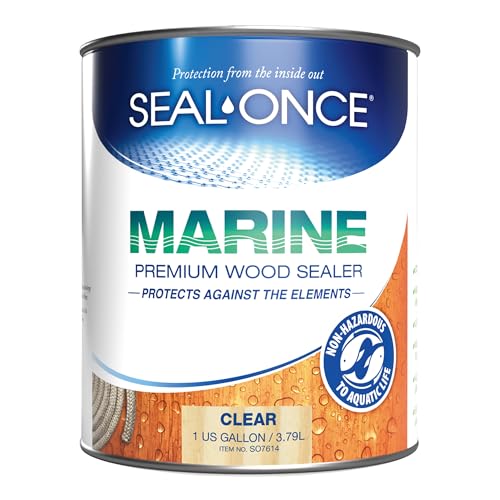

Consider Environmental Conditions
In regions with significant sunlight exposure, UV-resistant sealants are essential. These products help maintain color and prevent fading. For areas with heavy rainfall or humidity, mold-resistant formulas work best. They inhibit the growth of mildew, ensuring longevity and preserving the integrity of the surface.
Reflect on the Desired Finish
Choosing between matte, satin, or glossy finishes impacts aesthetics and maintenance. Matte finishes offer a subtle look but may require more frequent reapplication. Satin delivers a balanced appearance, while glossy finishes provide an elegant sheen and enhanced durability. Consider the existing decor and personal preferences when selecting a suitable option.
Prepare Your Furniture for Sealing
Thorough cleaning is the first step. Use a mixture of mild soap and water to remove dirt and debris. For stubborn spots, a soft-bristle brush helps without damaging the surface. Rinse well and let it dry completely, ideally for 24 hours. Moisture can hinder adhesion.
Inspect the surface for any imperfections, such as scratches or cracks. Sand these areas with fine-grit sandpaper to ensure a smooth finish. Be thorough but gentle to avoid creating new scratches. After sanding, wipe down the surface with a damp cloth to remove dust particles.
If the timber has been previously treated, it might be necessary to strip it before applying a new product. Use a quality wood stripper according to the manufacturer’s instructions, followed by a thorough rinse and drying process.
Consider the environmental conditions of the location. Choose a day when rain is not anticipated for at least 48 hours. This window provides ample time for the protective application to cure properly.
Gather all necessary materials before beginning the process: brush or roller for application, drop cloths to protect surrounding areas, and gloves for hand protection. Preparation minimizes any potential mess during application.
Clean the Surface Before Application
Preparation of the surface is non-negotiable for optimal results. Begin with a thorough cleaning to remove dirt, dust, and any existing debris. I recommend using a stiff-bristled brush and a mild detergent mixed with warm water. Scrub the entire area meticulously, paying extra attention to joints and crevices where grime may accumulate.
After scrubbing, rinse the surface with clean water to eliminate soap residue. Allow it to dry completely–this can take a few hours, depending on the weather conditions. For a quicker drying process, elevate the item off the ground using blocks or a similar support.
Check for Damage
Inspect for signs of rot, mold, or insect damage during the cleaning phase. Address any issues before applying the protective product. Treat mold with a solution of vinegar and water or commercial anti-fungal cleaner, depending on the severity.
Test for Residue
Perform a water test after drying; if droplets bead up on the surface, residue may be present. In such cases, a second cleaning is necessary using a solvent like mineral spirits to ensure the surface is free of contaminants.
| Cleaning Method | Steps | Notes |
|---|---|---|
| Scrubbing | Use stiff brush and mild detergent. | Focus on joints and crevices. |
| Rinsing | Use clean water to remove soap. | Ensure thorough rinsing. |
| Drying | Allow to air dry completely. | Increase airflow if needed. |
Test the Sealer on a Small Area First
Before applying any protective coating to a significant portion, I always test it on a small, inconspicuous section. This initial step is vital to ensure compatibility with the material and to observe the finish. Choose a corner or an area that is less visible during regular use.
Steps for Testing
1. Clean the test area thoroughly to remove any dirt or debris.
2. Apply a small amount of the selected product using a clean brush or cloth.
3. Allow it to dry completely, usually a few hours, as per the manufacturer’s instructions.
4. Evaluate the results for color changes, drying time, and texture.
Assessing the Outcome
After the test dries, I assess whether the appearance meets expectations and whether the surface feels smooth or sticky. If the result is satisfactory, proceed with the application. If not, I can adjust the choice or application method without risking damage to the entire surface.
Apply the Sealer Evenly Using the Right Tools
For an even application, I recommend using a high-quality brush or a foam applicator. These tools provide better control and allow for smooth distribution of the product.
- Brush: Choose a natural bristle brush for oil-based sealers and a synthetic one for water-based options. This ensures optimal absorption and an even finish.
- Foam Applicator: Ideal for quick coverage, foam applicators can be used in tight spaces and on flat surfaces, delivering consistent results.
- Rollers: For larger areas, a roller can speed up the process, but be cautious; the finish might not be as smooth. Use it in conjunction with a brush for edges and corners.
Always work in the direction of the grain. Apply a thin layer, avoiding puddles. If the product allows for multiple coats, wait for the first to dry before applying the next.
Regularly check for missed spots or uneven application during the process. A light sanding between coats can also enhance adhesion and smoothness for the final finish.
Store any leftover sealer in a cool, dry place to extend its lifespan for future applications.
Consider Multiple Coats for Better Protection
Applying several layers significantly enhances durability and resilience. I recommend at least two to three coats, allowing each layer to dry completely before the next application. This method ensures a robust barrier against moisture and UV rays.
Use a longer drying time for optimal results. It’s beneficial to let the first coat cure for 24 hours before adding additional layers. If the climate is humid, extending the drying time can further improve the finish.
For the second and subsequent coats, consider slightly sanding between applications. This step helps improve adhesion and creates a smoother surface. A fine-grit sandpaper will suffice; just be gentle to avoid damaging the underlying layers.
Additionally, choose the same type of product for all coats to maintain consistency. Mixing different sealants may result in compatibility issues, reducing overall effectiveness.
Monitoring the surface appearance after each layer is crucial. Look for any uneven spots or areas that may require additional sealer for uniformity. A well-applied multi-coat finish will safeguard the aesthetic and structural integrity of the item in the long run.
Allow Proper Drying Time Between Coats
After applying each layer, I ensure adequate drying time before proceeding with the next. This usually ranges from 2 to 24 hours, depending on the product used and environmental conditions. High humidity or low temperatures can extend this drying period. I always check the manufacturer’s guidelines to get the recommended drying times.
Signs of Readiness
To determine if the surface is ready for another coat, I run a simple test. I lightly touch the surface; if it feels dry and tack-free, I’m good to go. If it feels sticky or transfers residue to my fingers, I wait longer. Patience here pays off, as skipping this step can lead to poor adherence and a compromised finish.
Spacing Between Applications
I typically allow 24 hours between coats for optimal results. This spacing helps each application fully cure, allowing the sealer to bond better. If time permits, allowing even longer than the minimum suggested time can enhance overall durability. I find that a methodical approach leads to a more resilient and visually appealing finish.
Maintain Sealed Furniture for Longevity
Regular maintenance is key to extending the life of treated outdoor pieces. Inspect surfaces periodically for signs of wear or damage, focusing on areas exposed to direct sunlight and moisture. Clean the surface with a mild soap solution, avoiding harsh chemicals that could degrade the protective layer.
Reapply Sealant as Needed
Depending on exposure to the elements, a fresh application of sealant may be necessary every couple of years. Check if the finish beads water; if not, it’s time to reseal. Ensure any old finish is thoroughly removed before reapplication.
Store During Harsh Conditions
Whenever possible, relocate items indoors during extreme weather or cover them with tarps for protection against rain or snow. This additional step helps preserve the integrity of the seal and extends the time between maintenance.
Pay attention to the legs and joints, as moisture can accumulate here. Elevating pieces slightly off the ground, if feasible, allows airflow and minimizes water damage. Keep an eye on hardware, tightening screws or bolts that may become loose over time.
Reapply Sealant as Needed Based on Weather Exposure
Regular assessment of weather conditions is crucial for extending the life of treated surfaces. Depending on the region and exposure levels, a reapplication schedule should be established. Here are specific guidelines to maintain optimal protection:
- Monitor for signs of wear, such as fading, discoloration, or water absorption.
- Consider reapplication every 1-3 years in areas with harsh climates, such as intense sun, rain, or fluctuating temperatures.
- In moderate environments, a reapplication every 3-5 years may suffice.
Conduct an annual inspection, especially after significant weather events. If furniture appears worn, cleaning the surface and applying a new coat of sealant is advisable.
Factors Influencing Reapplication
- Sun Exposure: UV rays degrade sealants faster. Frequent sunlight necessitates more regular maintenance.
- Moisture Levels: Increased humidity or rainfall can wear down protective layers more quickly.
- Temperature Variations: Extreme heat or cold can lead to sealant breakdown and increased repair frequency.
Adjust maintenance frequency based on specific environmental factors. Taking proactive measures ensures longevity and aesthetic appeal of outdoor pieces.