
 Caleb Turner

The best way to tackle the challenge of stripping thin layers from a crafted piece involves several straightforward techniques. Start by gathering essential supplies: a heat gun or hairdryer, putty knife, sandpaper, and adhesive remover. Ensure a well-ventilated workspace to safely manage fumes during the process.
Applying heat to the surface softens the adhesive, making detachment smoother. Move the heat source evenly across the area to avoid damage to the underlying material, allowing for a seamless lift of the veneer. Use the knife carefully to pry up edges once the glue has softened. Patience is key to avoid gouging the substrate beneath.
If adhesive residue remains after the outer layer has been lifted, an appropriate solvent can help penetrate and dissolve the remainder. Test small sections first to ensure compatibility with the underlying surface before proceeding. Finally, sanding down any imperfections will create a clean slate for refinishing or restoration.


Assessing the Type of Veneer Used
Identifying the specific kind of surface layer applied to a piece is crucial for choosing the right method of extraction. Check if it’s natural wood or a synthetic alternative like laminate. Natural veneers can vary significantly in grain patterns and texture, while artificial surfaces are often more uniform and may feature a plastic-like sheen.
Performing a Visual Inspection
Examine the edge of the layer to determine the thickness. Thinner sheets usually indicate a natural product, while thicker ones might suggest a man-made material. Consider the grain; real wood displays unique variations, whereas synthetic types often lack depth.
Testing with Water
A small drop of water can reveal the layer type. If water soaks in, the surface is likely natural. If it beads up, it may be manufactured. This simple test can guide decisions on how to handle extraction efficiently.
Gathering Necessary Tools and Materials
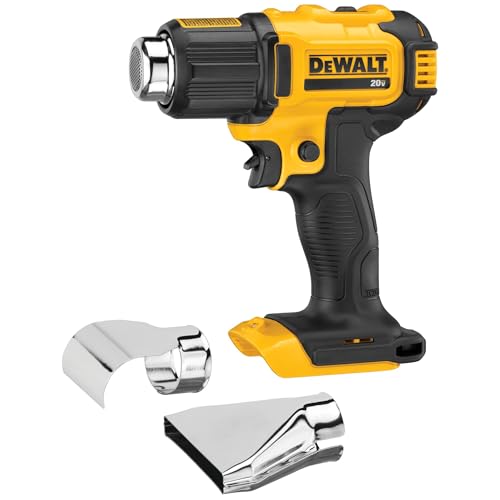
To tackle the task effectively, specific instruments and supplies are required. A utility knife serves well for precision cuts, ensuring clean edges while working through layers. A heat gun may be invaluable; it softens adhesive, making it easier to peel away the surface layer. An adhesive remover can aid in dissolving stubborn glue remnants that remain after the main portion is taken off.
Additional Tools
For manual assistance, a putty knife or a scraper with a flat edge is essential for lifting the veneer without damaging the underlying structure. Sandpaper with varying grits proves useful for smoothing surfaces after removal. A pair of gloves protects hands from sharp edges and chemicals, while safety goggles safeguard the eyes from debris.
Materials
Having clean rags or paper towels on hand is important for cleaning up any spills or residue during the process. A bucket can collect debris, helping keep the workspace tidy. It’s wise to prepare a workspace free from distractions, allowing for careful attention to the task at hand, leading to a successful outcome.
Preparing the Workspace for Veneer Removal
Clearing the area is the first step. A clean, well-organized space prevents accidents and ensures all necessary items are within reach. Remove any extraneous items from the vicinity to minimize distractions and hazards.
Next, secure the piece on a stable surface. Using a workbench or sturdy table keeps the item steady during the process, reducing the risk of damage. Clamping the furniture can provide additional stability, making it easier to focus on the task.
Ensure proper lighting in the workspace. Adequate illumination allows for better visibility of details and makes it easier to identify the best approach for lifting the surface layer. Avoid working in dim conditions that could lead to mistakes.
Using a drop cloth or old newspaper beneath the piece is recommended. This protects the floor and captures any debris or adhesive residue that might accumulate during the project, simplifying cleanup afterward.
Wearing protective gear is paramount. Safety goggles will shield eyes from debris, while a dust mask can prevent inhalation of harmful particles. If using chemical removers, gloves are essential to protect skin. Proper attire allows for focus without distractions from safety concerns.
Lastly, have waste disposal containers ready. Segregating trash and recycling makes it easy to maintain an organized area. Being prepared promotes a smoother workflow and keeps the workspace tidy throughout the entire process.
Applying Heat to Loosen the Adhesive
Utilizing heat effectively aids in detaching the thin layer from surfaces. A heat gun or a clothes iron is ideal for this purpose. Here’s how to proceed:
- Set the heat gun to a low setting, or if using an iron, adjust it to a medium cotton setting. Avoid high temperatures to prevent damaging the underlying substrate.
- Place a piece of cloth or parchment paper between the heat source and the panel to protect it from direct heat contact.
- Gently apply heat to the surface, moving the tool back and forth to distribute warmth evenly. Focus on one section at a time to avoid overheating.
- After a minute or so, check if the adhesive has softened by attempting to lift the edge of the panel with a scraper or putty knife. If resistance remains, continue heating.
- Once the adhesive is loosened, carefully peel away the layer while maintaining heat to keep the adhesive pliable.
It’s crucial to work patiently and avoid excessive force, as this could cause damage to the underlying structure. Regularly check for changes in the adhesive as the heat is applied.
Using a Putty Knife for Safe Removal
A putty knife is an invaluable tool for detaching thin layers from surfaces. Begin by carefully inserting the blade at the edge of the laminated surface, ensuring it is positioned at a shallow angle to prevent damage to the underlying structure.
Gently slide the knife under the laminate, applying light pressure to lift it. It’s essential to work slowly, advancing gradually to minimize the risk of cracking or splitting the wood beneath. If resistance is encountered, reposition the knife to another area to lessen stress on the material.
Technique Tips
For optimal results, maintain a consistent angle and use short, deliberate movements. If the adhesive is particularly stubborn, alternate between using the putty knife and a heat source to soften the glue periodically. Keep the blade clean and free of any residue to avoid marring the surface.
Safety Precautions
Always wear gloves to protect hands from sharp edges, and ensure the workspace is clear of obstructions to prevent accidents. Regularly check the blade for dullness and replace it as necessary to maintain efficiency.
Managing the Risk of Damage to the Underlying Wood
Prioritize careful handling at every stage of the process. Start by working slowly, as haste can lead to unnecessary harm to the underlying surface. Ensure the temperature used during the adhesive loosening phase is moderate; excessive heat may scorch or warp the wood beneath.
Before utilizing a putty knife, assess the angle and pressure applied. Maintaining a shallow angle can help prevent gouging the surface. Insert the knife gently and wiggle it slightly to ease the veneer away without forcing it, which can compromise the integrity of the layer beneath.
Utilizing Moisture for Gentle Adhesive Breakdown
Incorporating moisture can soften adhesive bonds with minimal risk. A damp cloth placed over the veneer for several minutes can aid in loosening. However, control the amount of moisture applied; excessive water can lead to swelling and further damage to the wood structure.
Post-Removal Care to Protect the Surface
Once the outer layer is removed, inspect the exposed wood for any imperfections. If necessary, lightly sand the area with fine-grit sandpaper to create a smooth surface while minimizing pressure. Following sanding, consider applying a wood conditioner to prepare it for refinishing, ensuring the underlying timber remains in excellent condition.
Cleaning Up Residue After Veneer Removal
After the veneer is taken off, residue from adhesive may remain on the surface. First, I use a solvent designed for glue removal, such as acetone or mineral spirits. Applying a small amount to a clean cloth helps dissolve stubborn remnants.
Employing a plastic scraper can aid in gently lifting any leftover adhesive without damaging the underlying material. Care is taken not to gouge or scratch the surface. For stubborn areas, letting the solvent sit for a few minutes softens the glue for easier removal.
Once the surface is clean, I proceed with washing it using a mild soap solution and a soft cloth to remove any remaining solvent. Finally, a light sanding with fine-grit sandpaper ensures a smooth surface, preparing it for refinishing or further restoration.
Ensuring ventilation while working with solvents is crucial. Wearing gloves and a mask minimizes exposure to potentially harmful chemicals, providing safety throughout the cleanup process.
Repairing Any Damage to the Wood Surface
Immediately address any imperfections or damage discovered on the substrate after veneer extraction. Start with sanding using fine-grit sandpaper to smooth out rough areas. Progress from coarser to finer grits for an optimal finish.
For deeper scratches or dents, consider employing wood filler or epoxy. Select a product matching the wood type and color closely. Apply the filler with a putty knife, ensuring even coverage. Once dry, sand the filled area carefully to blend it with the surrounding surface.
In cases of severe gouges, a wood patch may be necessary. Cut a piece from a similar wood and fit it precisely into the damaged section. Secure it with wood glue and clamp until set. Afterward, sand edges for seamless integration.
To maintain the original luster, apply a wood conditioner before refinishing. This step ensures even stain absorption and a consistent appearance. Follow up with the chosen finish, whether it’s stain or varnish. Apply multiple coats, allowing adequate drying time between applications for durability.
Below is a quick reference table summarizing the steps:
| Step | Action |
|---|---|
| Sanding | Use fine-grit sandpaper to smooth out the surface. |
| Filler Application | Apply matching wood filler or epoxy for scratches. |
| Wood Patching | Use a wood piece to fill severe damage. |
| Conditioning | Apply wood conditioner for even staining. |
| Finishing | Use varnish or stain in multiple coats. |
Following these guidelines assures that the underlying structure remains intact while restoring the aesthetic qualities of the wood. Regular maintenance after repairs will prolong the life and beauty of the piece.
Finishing Options for Refinished Furniture
Choosing the right finish can dramatically enhance the appearance and durability of a revitalized piece. Here are several options to consider:
- Oil Finishes: Products like tung oil or linseed oil penetrate deeply, highlighting the wood’s natural grain while providing some water resistance. Multiple coats can create a rich, hand-rubbed look.
- Polyurethane: Available in oil-based and water-based varieties, polyurethane forms a hard, protective layer on the surface. It’s ideal for furniture that will experience heavy use, offering excellent durability.
- Shellac: This traditional finish dries quickly and imparts a warm tone, ideal for antique restorations. It’s less durable than other options but can be easily repaired.
- Varnish: Known for its long-lasting protection against scratches and moisture, varnish comes in different sheens and can be used in high-traffic areas.
- Wax: A natural option that provides a soft luster and touchable finish. Wax requires regular maintenance and needs to be re-applied periodically.
- Stain: Using a stain before applying a protective finish can enhance the wood’s color and grain. Choose a stain that complements the wood type.
Before selecting a finish, test on a small inconspicuous area to check compatibility and final appearance. It’s crucial to follow application instructions for the best results, ensuring adequate drying times between coats.
After applying the finish, allow the furniture to cure fully before use, enhancing both the look and protection of this newly restored piece.


