
 Caleb Turner
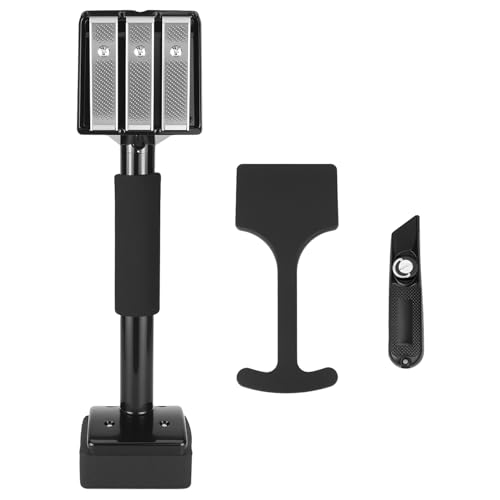
Carefully plan the process by using a high-density foam underlayment. This makes it easier to install the new carpeting while protecting the current flooring from damage. Moving items systematically to clear the space is essential; use furniture sliders to effortlessly shift heavier pieces.
Remove the old carpet while minimizing disruption. Start from one corner, cutting it into manageable strips for easy disposal. A utility knife simplifies this task, while wearing gloves protects against any sharp edges or debris. Paying attention to the tack strips ensures a smooth transition for the new covering.
Prior to laying down the new material, ensure the floor is clean and free from dust. Vacuuming thoroughly aids in adherence and longevity. Lay out the new carpeting in the room to acclimate it; this step prevents issues related to expansion or contraction once installed.


While installing, secure the edges tightly against the walls and trim excess material. Using a knee kicker enhances stretching and minimizes wrinkles. Finish by replacing baseboards for a polished look that complements the room’s aesthetics.
Assessing the Room and Planning the Project
First, taking accurate measurements of the space is essential. Measure the length and width of the area, noting any irregularities, such as alcoves or built-in furniture. This information will help in determining the amount of carpeting needed.
Next, evaluate the existing underlayment. Look for signs of wear, damage, or moisture. If the underlayment is compromised, replacing it will be necessary before proceeding with new carpeting.
Consider the types of materials already present in the room. If there are bulky items like sofas or cabinets obstructing the process, create a plan to shift them safely. Use sliders or a dolly to prevent damage to flooring and ensure safety during the move.
Categorize the items in the space by their weight and size, prioritizing the heaviest pieces for first movement. Ideally, smaller items should be cleared out first, as it makes subsequent tasks easier. Create designated areas for moved items to minimize clutter.
Evaluate the traffic flow within the area. Identify entry points and pathways to ensure the arrangement of items allows for unimpeded access once the new flooring is installed. This will improve usability after completion.
Finally, develop a timeline. Allocate specific days for measuring, flooring removal, installation of new carpet, and repositioning of items. This structured approach will facilitate a smoother transition and reduce potential disruptions.
Gathering Necessary Tools and Materials
Prepare a comprehensive toolkit to streamline the entire process. Key items include a utility knife, carpet stretcher, knee kicker, and a staple gun. These tools facilitate precise cuts and adjustments.
Acquire sufficient carpet and padding, ensuring they match the room’s measurements. Consulting with professionals may assist in selecting the right materials for specific needs.
Don’t forget safety gear such as gloves and knee pads to protect against injuries during installation. A measuring tape and chalk line are also invaluable for ensuring accuracy in layout and placement.
Consider using transition strips, tacks, and adhesives when necessary to provide a polished finish. All these items combined will ensure a smooth and successful project execution.
Preparing Furniture for Carpet Removal
Clear surrounding items from the workspace area to facilitate easy access. Move small objects like lamps, picture frames, and electronics to a secure location. This prevents damage during the process.
For larger pieces, such as sofas and tables, carefully relocate these items to adjoining rooms or the garage. Ensure that paths are clear to avoid accidents.
- Wrap delicate items in bubble wrap or soft cloths to prevent scratches and breakage.
- Use sliders or furniture-moving pads to shift larger pieces. This reduces strain on floors and minimizes the risk of damaging surfaces.
Consider removing legs and cushions where applicable, as this can ease the handling of bulky items. Additionally, disassembling larger units like beds can create space and simplify the moving process.
For particularly heavy pieces, enlist help from a friend or family member. Dividing the workload can speed up the entire project while ensuring safety.
Once relocated, cover the items with tarps or blankets. This protects them from dust and debris generated during carpet removal.
Removing Old Carpet Without Damaging Furniture
Careful removal of outdated carpet is crucial to avoid harming surrounding items. Start by shifting heavier pieces using furniture sliders to protect floors and minimize strain. These sliders can effortlessly glide heavier objects across surfaces.
Steps to Take
- Empty the Space: Clear out small decor and accessories from the area to reduce clutter and avoid accidents.
- Lift and Shift: For larger items, tilt or tilt them slightly to fit furniture sliders underneath, making maneuvering easier.
- Use Blankets: To shield vulnerable pieces, cover them with blankets or padding to absorb any impacts or scratches.
- Detach Components: If applicable, disassemble modular furniture to ease movement and minimize potential damage.
Protecting Floors and Walls
- Edge Guards: Install edge protectors along walls and door frames to avoid scrapes while maneuvering large items.
- Remove Door Stops: For an unobstructed path, take off door stops or knobs that might impede movement.
These precautions facilitate smooth progress and maintain the integrity of surrounding decor while undertaking carpet removal. Placing focus on prevention ensures a hassle-free project completion.
Installing New Carpet Around Existing Furniture
Begin by sliding the heavy pieces away from the walls to create space for the new material. For larger items, such as sofas or dining tables, consider using furniture sliders or a dolly to assist in movement without causing damage to the flooring.
Once the larger objects are repositioned, tackle smaller pieces in a systematic manner. Removing chair pads and cushions can make the lifting process smoother. Keep an organized list of items moved to streamline the reassembly process later.
Before laying down the new covering, ensure that the subfloor is clean and free of debris. Any dust or dirt can affect the adhesion of the carpet. Use a vacuum cleaner to achieve a thorough clean, focusing on corners and spaces left by the furniture.
As the installation begins, roll out the carpet in sections, moving from one area to another. Utilize a utility knife for trimming edges as necessary. Special attention should be given to seams and corners, ensuring a tight fit around the remaining larger pieces.
For final touches, a carpet stretcher can assist with eliminating wrinkles. This tool is particularly helpful in tighter spaces where larger furniture cannot be easily moved.
| Materials Required | Usage |
|---|---|
| Furniture Sliders | To move heavy items easily |
| Utility Knife | For trimming the carpet to fit |
| Carpet Stretcher | To eliminate wrinkles post-installation |
| Vacuum Cleaner | For cleaning the subfloor before carpet installation |
After covering all areas, place furniture back in its original location or consider a new arrangement for a refreshed look. A final vacuum will remove any debris from the installation process, leaving the room looking pristine and inviting.
Securing and Finishing the New Carpet Installation
To secure the new flooring effectively, begin by trimming any excess material along the edges of the installed carpet. Use a utility knife for precise cuts, ensuring that the edges align neatly with the walls or existing baseboards.
Next, apply double-sided carpet tape along the perimeter of the room, pressing the carpet down firmly to adhere it securely. This tape provides additional hold, particularly in high-traffic areas. For better stability, consider using carpet gripper strips in doorways and transitions between rooms.
After securing the edges, check for any loose areas or ripples in the carpet surface. Smooth these areas out by walking on them gently or using a carpet roller, which can help eliminate any bumps.
Once the installation appears smooth and properly anchored, vacuum the entire area to remove any debris or fibers that may have accumulated during the process. This not only prepares it for usage but also helps settle the fibers, giving a polished finish.
Finally, allow the carpet to acclimate to the room temperature for at least 48 hours before placing any heavy objects back in place. This ensures that the material settles correctly and maintains its shape and appearance over time.
Handling Post-Installation Cleanup and Furniture Replacement
Once the new flooring is in place, the cleanup begins by removing any remaining debris such as carpet scraps, padding, and dust. A thorough vacuuming of the newly laid surface is necessary to eliminate any particles that may have settled during installation.
Careful handling of items during the replacement process is essential. Start by assessing the arrangement of objects that were moved. Some pieces might need repositioning for better access or aesthetics. Utilize felt pads under heavy pieces to avoid scratching the new surface.
Reintroducing items can be systematic. Begin with larger objects, ensuring they sit without causing any sagging or distortion in the new material. Position smaller accents and accessories to enhance the overall look. Keeping pathways clear during this phase is advisable to avoid potential accidents.
Consider any necessary cleaning for the previously displaced items. Dust settles quickly, and a quick wipe with appropriate cleaners will prepare surfaces for their new location. For cloth-covered objects, a gentle vacuum or brush might refresh the fabric and remove any stuck dirt.
Final touches include adjusting rugs or mats placed over the new carpet. Ensure they are anchored properly to prevent slipping. Adding decorative elements or personal touches after everything is in place can truly finish the transformation.
Taking time with this final phase ensures satisfaction with the refreshed space. The combination of cleanliness and thoughtful arrangement defines the improved ambiance.
FAQ:
What are the steps to prepare a room for recarpeting when there is a lot of furniture?
To prepare a room full of furniture for recarpeting, first, you should identify which pieces are essential to move. Clear a path in the room and start by removing smaller items like shelves, lamps, and decorations. If possible, move larger furniture to the center of the room to create a working space. Protect any remaining furniture with drop cloths or plastic sheeting to prevent damage during the installation process. If heavy items can’t be moved, consider discussing with a professional about how to work around them during carpet installation.
Can I recarpet my house myself, or do I need professional help if there’s a lot of furniture present?
While it is possible to recarpet a house yourself, the presence of a significant amount of furniture can complicate the process. If you have experience and a few handy tools, you might choose to take on the project yourself. However, hiring professionals could save you time and effort, especially in maneuvering heavy objects and ensuring that the carpet is installed correctly. If you’re not comfortable with the process, it’s often worth considering professional services.
How do I choose the right carpet for a home with kids and pets?
Selecting carpet for a household with children and pets requires careful consideration of durability and maintenance. Look for carpets made of materials like nylon or polyester which are known for their resilience and stain resistance. Additionally, consider a low-pile carpet that can withstand heavy traffic and is easier to clean. Always check for warranties that cover wear and tear as well as spills, as this can provide added peace of mind. Also, consider color and patterns that can help hide dirt or stains.
What tools do I need to recarpet a house full of furniture?
You will need several tools for recarpeting a room with furniture, including a carpet cutter or utility knife, measuring tape, knee kicker, carpet stretcher, and seam roller. It’s also helpful to have a hammer, tack strip, and a staple gun for securing edges. A dolly can assist in moving heavier furniture. Make sure you have protective gear such as gloves and knee pads to keep yourself safe while working.
Are there any tips for maintaining new carpet after installation in a busy household?
To maintain new carpet in a busy household, establish a regular cleaning routine that includes vacuuming at least once a week, or more often in high-traffic areas. Consider using a professional cleaning service for deep cleaning every 12-18 months to prevent dirt build-up. Immediately address spills to avoid stains – blot the area with a clean cloth rather than rubbing. Additionally, use mats at entrances to help reduce the amount of dirt brought in, and arrange furniture to minimize wear on carpeted areas.
How can I recarpet a room that is filled with furniture?
Recarpeting a room with furniture requires careful planning. First, consider using a carpet installation method that allows for minimal disruption, such as a floating carpet system. Begin by moving smaller items, such as chairs and tables, to the center of the room or to another space if possible. You can also use furniture sliders to help shift larger pieces without damaging the floor. Once you have cleared a portion of the area, you can start lifting the old carpet and padding. Install the new carpet either section by section or in pieces, depending on your chosen method. After the carpeting is laid out, put the furniture back in place, taking care to adjust and rearrange as needed for the best aesthetics and functionality. With careful work, you can achieve a fresh look without having to empty the entire room.


