
 Caleb Turner

Preparation stands at the forefront of achieving a stunning transformation. Begin by thoroughly cleaning the surface with a suitable degreaser to eliminate any residues. After this, lightly sand the item to ensure proper adhesion of subsequent layers. Use fine-grit sandpaper for a smooth finish, focusing on any rough spots or imperfections.
Choosing the right primer sets the foundation for a lasting result. An oil-based or shellac-based primer is ideal for sealing the wood and preventing any unwanted stains. Apply a uniform coat and allow ample drying time as per the manufacturer’s recommendations. This step is crucial in preventing any yellowing or bleeding of the natural wood tone.
Once the primer is dry, the top coat deserves careful selection for the desired finish. Opt for a high-quality acrylic or latex paint, known for durability and ease of application. Use a foam roller or a synthetic brush to achieve a smooth, professional appearance. Aim for at least two coats for optimal coverage, allowing adequate drying between applications.


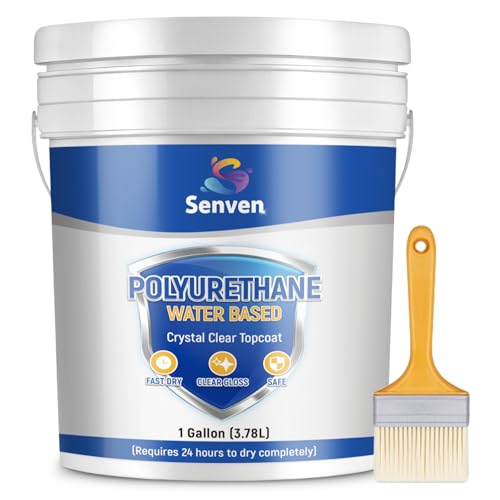
Finishing touches enhance durability and aesthetics. A clear topcoat, such as a water-based polyurethane, provides additional protection against wear and tear. Ensure to follow the instructions for curing time, as this will impact the longevity of the project. With these steps, the once rustic wood achieves a refined, contemporary look that elevates any space.
Choosing the Right Type of Paint for Pine Furniture
Acrylic latex is a preferred choice for its durability and ease of application. It adheres well to various surfaces, making it a top contender for transforming surfaces into a bright finish.
Oil-based options offer exceptional coverage and a smooth finish, but drying time can be longer. This type provides a strong barrier against scratches and wear and tear.
| Type of Paint | Advantages | Disadvantages |
|---|---|---|
| Acrylic Latex | Quick drying, easy cleanup, good adhesion | Less durable than oil-based |
| Oil-Based | Excellent coverage, strong barrier | Long drying time, requires solvents for cleanup |
| Chalk Paint | No prep needed, creates a matte finish | Can require sealing for durability |
Chalk paint simplifies the process with minimal preparation. It creates a great matte appearance but may need a protective topcoat to avoid damage.
Consider your project’s specifics, including desired finish, durability, and application ease, to determine the most suitable paint type. Test samples on a small section to assess results before full application.
Preparing the Pine Surface for Painting
Begin with a thorough cleaning to eliminate dust, grease, and any existing finishes. A solution of warm water and mild soap works well. Rub the surface with a soft cloth then rinse and dry completely.
Sanding the Surface
Sanding is crucial for ensuring proper adhesion of the new layer. Follow these steps:
- Use medium-grit sandpaper (around 120 grit) for the initial sanding.
- Sand with the grain to avoid scratches.
- Finish with fine-grit sandpaper (220 grit) for a smooth finish.
- Wipe down with a vacuum or tack cloth to remove dust particles.
Priming the Wood
Applying a suitable primer increases paint adhesion and enhances durability.
- Select an oil-based or shellac-based primer for best results on knotty wood like pine.
- Apply a thin, even coat using a brush or roller.
- Allow the primer to dry as per the manufacturer’s instructions.
- Lightly sand the primed surface with fine-grit sandpaper before applying the final layer.
Selecting and Applying a Primer on Pine
Choosing a high-quality primer specifically designed for wood surfaces significantly enhances the finish and durability of the topcoat. A shellac-based or oil-based primer works effectively on resinous woods like spruce or fir, preventing any tannins from bleeding through. I prefer a shellac primer for its quick drying time and excellent adhesion properties.
Prior to application, ensure the surface is clean and free from any dust or grease. Use a sanding block with medium-grit sandpaper to smooth out any rough patches, followed by a finer grit to prepare for the primer. Wipe the surface with a damp cloth to remove sanding dust.
Apply the primer using a high-quality synthetic brush or a foam roller for an even coat. Thin layers are essential; it’s better to apply multiple thin coats rather than one thick layer. Allow each coat to dry thoroughly before applying the next, following the manufacturer’s instructions for drying times.
Once priming is complete, inspect for any imperfections. A light sanding between coats will help achieve a professional finish. This step will ensure that the final layer adheres well and provides a smooth surface for the subsequent color application.
Techniques for Painting Pine Furniture Smoothly
To achieve a flawless finish, use a high-quality foam roller for applying color. This tool minimizes brush strokes and leaves a smooth surface. When selecting the roller, opt for a 1/4 to 3/8-inch nap to help evenly distribute the coating without creating excess texture.
For corners and tighter areas, apply the coating with a synthetic bristle brush. This ensures that every nook and cranny is covered thoroughly. Choose a brush size that allows precision without overcrowding the space.
Thin layers are critical. Apply the first coat lightly, allowing it to dry completely before adding subsequent layers. This method prevents drips and pooling while ensuring an even build-up of coverage. Sand between coats using fine-grit sandpaper (220 grit) to enhance adhesion and remove any imperfections.
A spray gun can also be an efficient alternative for a smooth application. When using this method, maintain a consistent distance from the surface, and apply in sweeping motions. Aim for even coverage, and avoid concentrating too long in one area to prevent runs.
Temperature and humidity play significant roles in the finishing process. Aim to work in a well-ventilated area with moderate conditions to ensure optimal drying times. This practice aids in achieving a satin-smooth finish.
Lastly, a topcoat of water-based polyurethane can provide additional durability and sheen. Apply this final layer with a foam applicator or clean brush for a glass-like finish. This protective layer enhances longevity while keeping the surface smooth and appealing.
Understanding Drying Times Between Coats
Allowing adequate drying time between layers is crucial for achieving a smooth and durable finish. For water-based paints, waiting 1 to 2 hours is standard, while oil-based options usually require a minimum of 6 to 8 hours. Temperature and humidity can significantly affect drying; warmer and drier conditions typically speed up the process. A fan can help circulate air and expedite drying, but avoid direct airflow on the surface to prevent dust accumulation.
Testing for Tackiness
Before applying the next coat, gently touch the surface in an inconspicuous area. If it feels tacky or sticky, additional time is necessary. A proper signal for readiness is a matte finish devoid of any sheen, indicating the paint has dried sufficiently. Patience pays off, ensuring that the previous layer has cured before adding more layers.
Final Drying and Curing
After the final coat, a full curing period should be respected before regular use. This can take anywhere from several days to a few weeks depending on the type of paint and environment. Keeping the painted item in a stable climate aids in achieving optimal results, preserving the integrity of the finish for longevity.
Finishing Touches: Sealing the Painted Surface
Applying a high-quality sealant enhances durability and protects the surface from damage. Opt for a water-based polyurethane for a clear, non-yellowing finish that dries quickly. Use a soft synthetic brush or foam applicator to ensure an even coat. Apply in thin layers, allowing each to dry fully before adding another. Generally, two to three coats will provide optimal protection.
After the final coat has dried, lightly sand the surface with fine-grit sandpaper (220 grit or higher) to achieve a smooth texture. Wipe the surface clean with a damp cloth to remove any dust particles. This step helps to prepare for a final layer of sealant, ensuring a seamless finish.
For added sheen, consider adding a satin or semi-gloss topcoat, depending on the desired look. Test a small area first to ensure compatibility with the paint. Be mindful of application techniques to avoid streaks; maintaining a wet edge during application helps create a uniform appearance. Allow the sealed surface several days to cure fully before heavy use.
Maintaining Your White Painted Pine Furniture
Regular upkeep involves a few key practices to ensure the longevity of the finish. Dust the surfaces frequently with a soft, lint-free cloth to prevent scratches and build-up, preserving the smooth appearance of the coating. Avoid using abrasive materials that can damage the paint.
Cleaning Techniques
For thorough cleaning, mix mild soap with warm water. Dampen a cloth with the solution and gently wipe the surface. Rinse the cloth with plain water and wipe again to remove any soap residue. Always dry the painted area afterward to prevent moisture damage.
Addressing Scratches and Nicks
- For minor scratches, use a touch-up pen or paint that matches the original shade. Apply with care to blend the repair seamlessly.
- For deeper nicks, sand lightly around the area and repaint using the same technique as the initial application for a consistent finish.
Avoid placing hot items directly on the surface, as this can lead to discoloration or damage. Consider coasters and mats to protect the finish from scratches and heat.
During seasonal changes, monitor humidity levels; sudden shifts can lead to expansion and contraction. In dry conditions, using a humidifier can prevent these issues.
Lastly, every few years, reevaluating the need for a fresh coat will keep the appearance crisp and bright. Repainting not only refreshes the look but also acts as an added layer of protection against wear.
Common Mistakes to Avoid When Painting Pine
Skipping the sanding process leads to a rough finish. Always sand surfaces thoroughly to promote adhesion. Fine-grit sandpaper works best for achieving a smooth base.
Neglecting to use a primer can result in uneven colors and peeling. Applying a primer specifically designed for wood ensures better coverage and durability.
Rushing the drying time between layers is a common misstep. Always allow sufficient time for paint and primer to dry fully according to product instructions; this helps maintain a uniform appearance and prevents smudging.
Applying too thick a coat of paint leads to drips and an uneven texture. Thin layers provide better coverage and reduce the likelihood of runs. Multiple thin coats are preferable to one thick coat.
Forgetting to properly clean the surface before starting can hinder the final result. Dust, dirt, and oils affect adhesion and can lead to peeling over time. Use a damp cloth to wipe down the area before priming.
Using the wrong type of brush can affect the finish. Opting for high-quality synthetic bristle brushes or foam rollers designed for smooth applications will yield the best results.
Neglecting to consider environmental factors like humidity or temperature can negatively impact the drying process. Always check the weather conditions, as high humidity or low temperatures can lead to longer drying times.
Overlooking proper ventilation during the process can lead to inhaling fumes, which is hazardous. Make sure to work in a well-ventilated area to ensure safety.
Failing to seal the surface after painting can cause damage over time. Applying a topcoat or sealant protects against scratches and moisture while enhancing durability.
Skipping maintenance after completion diminishes longevity. Regular cleaning using a gentle cleanser will help preserve the painted surface and avoid damage.


