
 Caleb Turner

Using a high-quality primer designed for smooth application is the key to achieving great results on previously finished surfaces. Selecting a bonding primer allows for better adherence, eliminating the need for roughening the existing finish.
The next step involves employing a paint specifically formulated for use on previously coated items. A chalk-type paint can provide excellent coverage while minimizing prep work. This option adheres well and often requires no additional priming.
For a flawless finish, patience is essential. Applying multiple thin coats instead of one thick layer ensures even coverage and reduces the chance of drips. Between each application, it’s advisable to lightly sand with fine-grit paper or use a sanding sponge, not to remove material but to enhance adhesion and smoothness.
Finally, sealing the newly coated surface with a clear top coat not only adds durability but can also provide a glossy finish. Consider using a water-based polyacrylic for a quick-drying option that maintains the color integrity of the paint.
Choosing the Right Type of Paint for Furniture
Selecting the appropriate paint is critical for achieving a durable finish. Gloss and semi-gloss formulations tend to be more resilient, making them excellent choices for surfaces subject to wear.


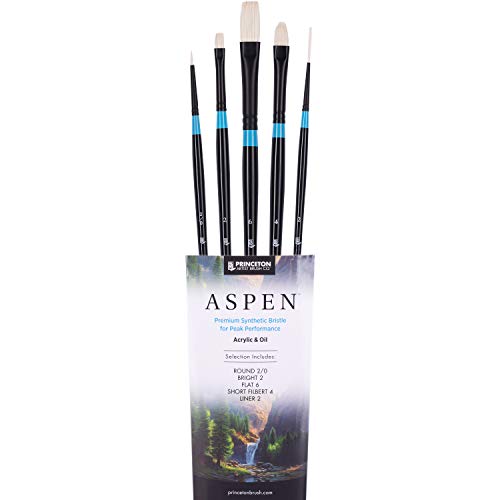
Consider using the following options:
- Acrylic Latex Paint: This type dries quickly and offers excellent adhesion on various materials, including wood and laminate. Its water-based formula makes cleanup easy.
- Chalk Paint: Known for its matte finish, chalk paint provides a vintage aesthetic and adheres well to various surfaces without the need for significant prep work.
- Milk Paint: A natural alternative, milk paint is non-toxic and environmentally friendly. It often gives a unique, textured finish.
- Enamel Paint: For a durable and shiny surface, enamel is a great choice. It withstands scratches and is ideal for kitchen or bathroom items.
Test colors and finishes on a small section first to see how the chosen option interacts with the existing surface. Pay attention to drying time, as some finishes require longer curing periods before full durability is reached.
The finish may further enhance the final appearance:
- Matte: Offers a softer look, though typically less resistant to stains.
- Satin: Strikes a balance between gloss and matte, providing some sheen with added durability.
- High-Gloss: Reflective finishes that maximize protection but may highlight imperfections.
Always review the manufacturer’s guidelines to ensure proper application and durability of the chosen paint type. With careful selection, achieving a professional finish is certainly possible.
Preparing the Surface for Painting
Begin by thoroughly cleaning the surface to remove any dust, grease, or residue. A mixture of warm water and mild detergent works well. After cleaning, rinse with clean water and allow to dry completely.
Next, assess the condition of the item. If there are any imperfections, such as dents or scratches, consider filling them with a suitable wood filler. This ensures a smooth and even final appearance.
Using a tack cloth, wipe down the entire area to eliminate any remaining dust particles, ensuring a clean slate for the next steps.
Applying a primer formulated for no-sand applications can significantly enhance paint adhesion. Select a primer that matches the type of finish desired. A good primer will seal the surface, reducing the likelihood of peeling or chipping after the application of color.
For optimal results, make sure the area is well-ventilated during this entire process. Avoid excessive humidity and direct sunlight, as these factors can interfere with drying times and adhesion.
Cleaning Techniques to Remove Dirt and Grime
For effective cleaning, begin with a solution of warm water and mild dish soap. Use a soft cloth to gently wipe down surfaces, ensuring no abrasive actions are taken that could damage the finish.
For stubborn stains, a mixture of vinegar and water can be beneficial. Combine equal parts of each, dampen a cloth with the solution, and gently scrub the affected area. This approach helps dissolve grime without harsh chemicals.
Another option is using baking soda. Create a paste by mixing baking soda with a small amount of water. Apply it to tough spots, allow it to sit for a few minutes, then wipe away with a damp cloth. This method is especially useful for grease or sticky residues.
After cleaning, immediately dry the surface with a clean, dry cloth to prevent moisture damage. Always test cleaning solutions in an inconspicuous area first to avoid any adverse reactions.
Regular dusting with a microfiber cloth can minimize the buildup of dirt and reduce the need for deep cleaning. For a more thorough approach, consider using a gentle furniture cleaner that is compatible with the specific material of the item, applying it as per the manufacturer’s guidelines.
Selecting the Best Primer for No-Sanding Projects
Choosing the right primer is critical for achieving a lasting finish on unprepared surfaces. Look for a shellac or oil-based primer, as these types effectively adhere to glossy or slick finishes. They enhance adhesion and prevent grease or stains from seeping through the topcoat.
Recommended Primers
- KILZ Original – An oil-based option known for its stain-blocking capabilities.
- Zinsser B-I-N – A shellac primer that works well on difficult surfaces and provides superior adhesion.
- Rust-Oleum Zinsser Cover Stain – A versatile option that dries quickly and is great for interior and exterior applications.
Application Tips
- Clean the Surface: Ensure the furniture is free of dust and contaminants before applying primer.
- Thin Coats: Apply thin layers of primer to avoid drips and ensure even coverage.
- Drying Time: Allow adequate drying time according to the manufacturer’s instructions for a durable bond.
By selecting the appropriate primer and following these application techniques, a sturdy base for your project will be established, leading to a successful final result.
Techniques for Applying Paint Smoothly
Utilizing a high-density foam roller can achieve a smooth finish when adding color to surfaces. This tool minimizes texture and offers even distribution, perfect for larger areas. For intricate details, a synthesis paintbrush with soft bristles is ideal. It allows smoother application in tight spots, reducing brush strokes.
Thin layers yield better results; aim for multiple light coats rather than one heavy application. This approach not only prevents drips but also enhances adhesion. Make sure to allow ample drying time between applications to promote a leveled surface.
Incorporate techniques like the tip-off method with a brush after rolling. Lightly dragging the brush across the surface in one direction can level out any bubbles or inconsistencies created by the roller. Consistency in technique is paramount; use the same motions each time for uniformity.
For a glass-like finish, consider spraying as an option. A quality spray gun or aerosol can allows for an ultra-smooth application, minimizing orange peel texture. Practice on test boards to master distance and speed before tackling the main project.
Finally, ensure optimal ambient conditions during the process. Moderate humidity and temperature promote better drying and reduce imperfections. Keep a controlled environment to achieve the best results throughout.
Using Paint Sprayers vs. Brushes
For achieving a sleek and uniform finish, a paint sprayer is my go-to tool. It minimizes brush strokes and allows for quick application over large surfaces. The ability to control the spray width and pressure boosts precision, making it easier to reach intricate details. For projects requiring fine detail or tight corners, a high-quality brush remains invaluable. The dexterity offered by a brush affords greater control, particularly when working on smaller areas.
Advantages of Sprayers
Speed is a significant advantage; covering large surfaces takes considerably less time than traditional methods. Sprayers also tend to use less material due to the fine mist, ensuring an even application without excessive buildup. However, using a sprayer necessitates proper masking and preparation to prevent overspray. Ventilation is crucial, as the spray creates a fine mist that may linger in the air.
Benefits of Brushes
Brushes permit more thorough work in detailed areas, providing a tactile sense that sprayers may lack. They can also be easier to clean and maintain, requiring less setup than sprayers. Moreover, the versatility of brushes for applying different types of coatings, such as delicate glazes or thick paints, makes them suitable for a variety of tasks. For those looking to achieve a handcrafted look, using a brush might be the preferred method.
Sealing Your Painted Furniture for Longevity
Apply a high-quality clear coat to enhance durability. Choose between polyurethane, acrylic, or water-based sealers depending on the desired finish and level of protection.
Choosing the Right Sealant
For an oil-based finish, I prefer using an oil-based polyurethane. It offers superior water and scratch resistance. If opting for a water-based option, select a matte or satin finish for a more natural look.
Application Techniques
Using a foam roller or synthetic brush works best for an even finish. Ensure the surface is completely dry before applying the sealant. Apply thin coats, allowing each layer to dry fully before the next application. Lightly sand between coats with fine-grit sandpaper for optimal adhesion.
Regular maintenance involves reapplying the sealant after a few years, depending on usage. This step guarantees that the beautiful transformation lasts, keeping surfaces protected against everyday wear and tear.
Common Mistakes to Avoid in Painting Projects Without Sanding
Skipping surface preparation can lead to peeling and uneven application. Always ensure that the surface is clean and free from grease or dust before beginning.
Using the wrong type of paint is a frequent error. Opt for products specifically designed for furniture, as they offer better adhesion and durability.
Ignoring primer is another common misstep. Selecting a suitable primer enhances bond strength and improves finish quality, particularly where surfaces are glossy or old.
Overloading the brush or roller can cause drips and an uneven finish. Apply thin, even coats, allowing adequate drying time between each layer.
Neglecting to test paint colors on a small area is a mistake that can result in dissatisfaction with the final look. Always try a sample before committing to a color.
Failing to account for environmental factors, such as humidity and temperature, can impact drying times and curing. Choose an appropriate working environment for best results.
| Mistakes | Consequences |
|---|---|
| Skipping Surface Prep | Peeled paint, uneven look |
| Wrong Type of Paint | Poor adhesion, quick wear |
| Ignoring Primer | Weak bond, bad finish |
| Overloading Tools | Drips, uneven texture |
| No Color Test | Unsatisfactory final look |
| Neglecting Environmental Factors | Longer drying times, defects |
FAQ:
What materials do I need to paint furniture without sanding?
To paint furniture without sanding, you’ll need acrylic or chalk paint, a primer designed for slick surfaces, a clean cloth, a brush or foam roller, and a sealant. Make sure the primer is compatible with the type of paint you’re using, as this will help the paint adhere better. Additionally, having painter’s tape can help protect areas you don’t want to paint.
Can I use regular paint for furniture, or do I need a specific type?
While you can use regular paint, it’s advisable to use paint specifically formulated for furniture, like chalk paint or furniture paint. These types are designed to adhere well and provide a durable finish, often without the need for extensive prep work like sanding. Regular paint may not bond as well and could lead to chipping or peeling over time.
How do I prepare my furniture before painting?
Before painting, you should clean the surface thoroughly to remove dirt and grease. Use a mild detergent and water, then let it dry completely. If there are any rough patches or old finishes, you might want to lightly scuff those areas with a sanding block, although the aim is to avoid extensive sanding. Lastly, applying a coat of primer ensures the paint sticks well and enhances the final color.
What is the best technique for applying paint without sanding?
The best technique involves using a high-quality primer first, as this helps establish a good base. After priming, apply your paint in thin, even coats with a brush or foam roller for smooth application. It’s best to use long, even strokes and to let each coat dry completely before applying the next one. This method allows the paint to adhere well without the need for sanding.
How long should I wait between paint coats?
The drying time between coats can vary based on the type of paint used and the room conditions like temperature and humidity. Typically, it is recommended to wait at least 1-2 hours before applying a second coat. Always check the manufacturer’s instructions for specific guidance, as following their recommendations helps ensure the best finish for your furniture.
What materials do I need to paint furniture without sanding?
To paint furniture without sanding, you’ll need a few key materials. Firstly, gather a high-quality primer designed for slick surfaces; this helps the paint adhere better. Secondly, select a paint that is suitable for furniture, such as chalk paint or acrylic latex, which provides a durable finish. Additionally, have some paintbrushes and a foam roller on hand for a smooth application. You might also need a clean cloth for wiping down the surface and some painter’s tape to protect areas you don’t want to paint.
How do I prepare the furniture surface before painting without sanding?
Preparing the furniture surface without sanding is crucial for achieving a polished look. Start by cleaning the piece thoroughly with a mixture of water and mild detergent to remove dust, grease, or any previous finishes. After cleaning, rinse the surface with clean water and allow it to dry completely. If the furniture has a glossy finish, lightly scuff it with a fine-grit sanding sponge or a paint deglosser to enhance paint adhesion without fully sanding. Lastly, apply a primer suited for no-sanding applications to create a solid base for your paint.


