
 Caleb Turner

The quickest approach I found for eliminating stubborn blemishes involves using a mixture of equal parts baking soda and water. Form a thick paste and gently scrub the affected area with a soft cloth. Rinse with a damp cloth afterward to remove any residue.
If the first method doesn’t fully restore the surface, a refined option is applying a small amount of mayonnaise. Gently rub it onto the stain with a cloth, allowing it to sit for a few hours. The oils can help lift the discoloration and nourish the wood.
An alternative strategy includes using an iron. Place a clean cloth over the stain and set the iron on a low setting for a brief moment. The heat and moisture will help lift the mark, ensuring to keep the iron moving to avoid further damage.
Lastly, a solution of vinegar and olive oil can be used. Mix one part vinegar with three parts olive oil, apply it to the stain with a soft cloth, and buff it gently. This not only addresses the blemish but also revitalizes the wood’s natural sheen.


Identifying the Type of Water Mark
First, determine if the blemish is a ring or a blot. Rings, typically light in color and circular, often stem from glasses or cups. Blotches, on the contrary, are generally larger and may indicate spills or inadequate protection against moisture.
Next, observe the surface color. Light-colored spots suggest moisture penetration without damage, while darker patches might indicate deeper issues. This distinction is pivotal for selecting an appropriate restoration method.
Then, check the texture. If the area feels sticky or swollen, it likely involves more involved moisture interaction, possibly requiring advanced techniques for resolution.
Lastly, assess the age of the piece. Older furniture may have more delicate finishes, allowing for greater care in choosing a removal method. Knowing the furniture’s finish, such as lacquer or oil, can guide in utilizing suitable treatments.
Understanding Different Wood Finishes
Optimal care for surfaces begins with understanding the various types of finishes. Each finish type influences not only the appearance but also the maintenance and protection level of the surface.
- Shellac: A natural resin, shellac offers a warm glow and is easy to repair. However, it is vulnerable to moisture and heat, making careful treatment crucial.
- Lacquer: Known for its durability and high shine, lacquer dries quickly and is resistant to water. This finish often requires professional application to achieve the desired look.
- Polyurethane: Available in both oil-based and water-based options, polyurethane forms a robust barrier against spills. It is ideal for high-traffic areas but may result in a plastic-like appearance.
- Oil Finishes: Includes tung and linseed oils, known for enriching the wood’s natural grain. Regular reapplication enhances protection but requires more maintenance.
- Varnish: A blend of resin and oil, varnish provides a hard, protective layer. It is resistant to heat and moisture, perfect for items exposed to daily use.
Choosing the right finish impacts the longevity of the item. Regular inspections and appropriate touch-ups extend life. Each finish interacts with stains and water differently; thus, awareness of these characteristics matters for preservation strategies.
Basic Household Methods for Removal
A mixture of baking soda and water creates an excellent paste. Apply this paste gently onto the affected area, then wipe it away after a couple of minutes using a soft cloth.
Another solution involves using mayonnaise. The oils can penetrate the surface and eliminate those unsightly rings. Just rub a small amount directly on the stain and let it sit for about 15-20 minutes before wiping clean.
White vinegar combined with olive oil offers a natural remedy as well. Mix equal parts and apply to the blemish, rubbing softly in the direction of the grain.
Using a dry cloth, go over the surface with gentle pressure. Heat from a hairdryer on low can also assist in lifting moisture, taking care to keep the nozzle a few inches away from the finish.
If all else fails, a bit of toothpaste can do wonders. Use a non-gel variety, apply it to a soft cloth, and rub in a circular motion before cleaning off with a damp cloth.
Using Iron and Cloth Technique
This method effectively aids in removing stubborn blemishes from surfaces. Gather a few materials: an iron, a clean cotton cloth, and some water.
- Set the iron to a low heat setting without steam.
- Moisten the cotton cloth slightly, ensuring it’s damp but not soaking wet.
- Place the damp cloth over the affected area.
- Gently press the iron onto the cloth for a few seconds.
- Check the surface through the cloth to monitor progress. Repeat if necessary.
Be cautious with the heat, as excessive temperature may damage the finish. Test this technique on a hidden spot first to ensure compatibility with the surface treatment. Once the blemishes fade, wipe the area with a dry cloth and allow it to air dry completely.
Repeat If Needed
If remnants persist, further repetition of the process might be required. Consistency may yield better results. Always prioritize protection of the finish and avoid prolonged exposure to heat.
Post-Care
After achieving satisfactory results, consider applying a suitable polish or conditioner to rejuvenate the surface and enhance its appearance.
Applying Toothpaste for Stain Removal
Toothpaste can be a surprisingly effective solution for blemishes on surfaces. Choose a non-gel, white toothpaste for the best results. Apply a small amount directly onto the affected area. Use a soft cloth or your fingertip to gently rub in a circular motion. This method aims to lift the discoloration without damaging the finish.
After about 30 seconds of rubbing, wipe off the toothpaste with a damp cloth. Ensure all residue is eliminated, as any leftover paste can lead to further issues. If necessary, repeat the process for stubborn stains. Once satisfied, dry the area thoroughly with a clean, dry cloth to prevent moisture damage.
Testing the Method
Before proceeding with the entire surface, conduct a spot test in an inconspicuous area. This precaution assures the finish remains intact. If the test area shows no adverse effects, continue with the application. If any changes in color or texture occur during testing, abandon the method to avoid further damage.
Final Touches
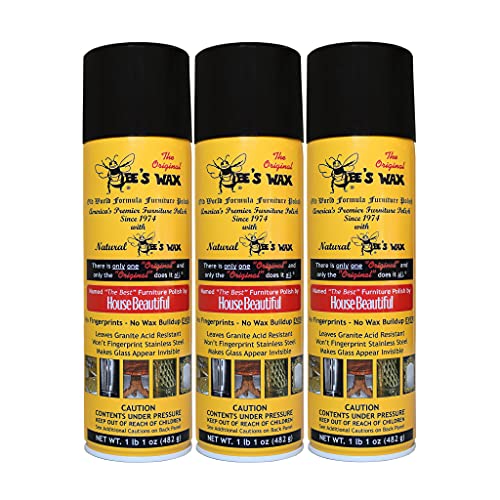
After the stain has been addressed, consider applying a suitable wax or furniture polish to restore shine. This step helps blend the treated area with the surrounding finishes, ensuring a uniform appearance. Regular maintenance will keep surfaces looking pristine.
Utilizing Baking Soda and Water Paste
For effective removal of stains from surfaces, I mix equal parts baking soda and water to create a paste. This combination acts as a gentle abrasive and can lift blemishes without damaging the finish. I apply the paste directly onto the affected area and gently rub it in using a soft cloth. It’s essential to work in the direction of the grain to avoid further scratches.
Application Process
Once the paste is spread over the stain, I let it sit for approximately 10-15 minutes. This allows the mixture to penetrate and break down any buildup causing the discoloration. After the waiting period, I gently wipe away the paste with a damp cloth, ensuring no residue remains behind.
Final Touches
After cleaning, I dry the area thoroughly. If there are still traces of the blemish, repeating the process might yield better results. Additionally, once satisfied with the appearance, applying a suitable wood polish can help restore the sheen and protect the surface.
Commercial Products for Removing Stains
Products designed specifically for stain removal are efficient choices. Look for those containing solvents or specialized cleaning agents that target residue without damaging surfaces.
Consider using items like:
| Product Name | Active Ingredients | Application Method |
|---|---|---|
| Furniture Restorer | Mineral spirits, wax | Apply with cloth, buff after drying |
| Wood Cleaner | Natural oils, surfactants | Spray and wipe with a soft cloth |
| Stain Remover Pen | Alcohol, emulsifiers | Directly apply to the affected area |
| Wood Polish | Carnauba wax, solvents | Apply and buff to enhance shine |
Always test products in an inconspicuous area before full application. These items can offer quick solutions with minimal effort when dealing with blemishes on surfaces.
Preventive Measures to Avoid Future Marks
Use coasters for beverages to shield surfaces from moisture. Selecting coasters made from absorbent materials can effectively mitigate potential damage.
Regular Maintenance
Apply a high-quality wood conditioner or polish periodically to restore and maintain surface protection. This builds a barrier against moisture infiltration, reducing stain risks.
Sensible Placement of Items
Avoid placing damp objects directly onto surfaces. Whenever possible, utilize trays or mats for items like plants, ensuring spills are caught before they reach the finish.
Utilize a protective cover during cleaning to prevent exposure to liquids. When wiping down, dampen the cloth lightly rather than saturating it, minimizing moisture transfer.
Establish a general guideline for handling all items on these surfaces. Not only does this protect from moisture, but it also keeps furniture looking pristine in the long run.
When to Seek Professional Help
If basic techniques fail to remove stubborn blemishes, contacting an expert is advisable. Professionals possess specialized tools and solutions capable of treating intricate problems that household methods cannot resolve effectively.
Signs indicating the need for assistance include persistent stains after multiple attempts at removal or damage that extends beyond surface-level discoloration. If the finish appears compromised or peeling, outside intervention is necessary to prevent further deterioration.
Handling antique or valuable pieces is another instance where expert guidance is warranted. Skilled artisans can assess and treat unique finishes, ensuring preservation while addressing imperfections.
Moreover, if a piece exhibits structural issues alongside cosmetic problems, such as warping or cracks, professional evaluation is prudent. Repairing these matters may require woodworking expertise, which goes beyond simple cleaning.
Investing in professional services can ultimately save time and enhance the longevity of cherished items. The expertise offered will help maintain the integrity and beauty of each piece.


