
 Caleb Turner

Vacuuming with a high-efficiency particulate air (HEPA) filter is a crucial first step. This method captures tiny particles, greatly reducing the presence of these unwanted inhabitants in cushions and other soft furnishings.
Following up with a steam cleaner can effectively enhance the eradication process. The combination of heat and moisture is proven to eliminate these nuisances, as the high temperatures reach levels that are detrimental to their survival.


Regular washing of removable textiles, such as slipcovers and curtains, in hot water is essential. This practice not only cleans but also prevents any resurgence by effectively sanitizing the fabric.
Incorporating encasements on mattresses and pillows can provide a significant barrier. These specially designed covers trap any remaining inhabitants and their allergens, ensuring a more comfortable living environment.
Maintaining lower humidity levels, ideally between 30-50%, can also play a vital role. Utilizing dehumidifiers or air conditioning can help achieve this, making the surrounding environment less hospitable.
Lastly, decluttering spaces, especially in bedrooms, minimizes hiding spots and assists in maintaining cleanliness. Regularly dusting surfaces with a damp cloth helps, as it captures particles instead of simply dispersing them into the air.
Identify Areas in Your Furniture Prone to Allergens
The first step is to examine upholstered items such as sofas and armchairs. Look closely at seams, cushions, and underneath where dust tends to accumulate. These areas often harbor a significant amount of allergens.
Bed frames and headboards require attention as well, particularly if they have fabric coverings. Remove bedding regularly and check for particles that may settle in these regions.
Consider wooden surfaces, especially those with crevices or intricate designs. Dust can easily gather in these details, making them prime spots for unwanted irritants.
Additionally, inspect shelves and cabinets, especially those housing fabric items like blankets and throws. Items that are rarely used can become hotspots for these nuisances, requiring periodic cleaning.
Frequent checking of these specific locations aids in maintaining a healthier living environment, reducing the risk of discomfort caused by allergens commonly found in home settings.
Choose the Right Cleaning Products for Mite Removal
Selecting appropriate cleaning agents can significantly enhance the process of eliminating these unwanted creatures. Look for anti-allergen cleaners specifically formulated to combat allergens. Check labels for ingredients that target proteins found in their waste, a primary irritant for allergy sufferers.
Consider using natural solutions such as:
- Vinegar: A natural disinfectant that can effectively kill these tiny organisms when mixed with water.
- Baking soda: This common household item can help absorb moisture and neutralize odors, creating an unfavorable environment.
- Essential oils: Oils like eucalyptus and tea tree can be added to cleaning solutions due to their natural insect-repelling properties.
For store-bought options, ensure the product is:
- Free of harsh chemicals, which can irritate skin and lungs.
- Designed for the specific fabric type–check compatibility with upholstery materials.
- Effective in both killing and preventing the return of these pests.
Always test a small area first to prevent damage to surfaces. Regular use of the chosen cleaners, combined with proper vacuuming techniques and maintenance schedules, provides a comprehensive strategy for minimizing populations effectively.
Implement Regular Vacuuming Techniques
Utilizing a vacuum cleaner equipped with a HEPA filter ensures effective capture of fine particles, including allergens. Aim to perform vacuuming sessions at least once a week to maintain a low concentration of these organisms.
Concentrate on seams, crevices, and under cushions where debris tends to accumulate. Manipulating attachments such as brush nozzles enhances suction power on upholstered surfaces.
Consider the frequency of use for various items; areas with higher activity may require more frequent attention. Establish a schedule to include vacuuming as a part of routine cleaning sessions.
For optimal results, ensure that the vacuum bag or canister is emptied regularly. Clogged containers reduce suction efficacy and allow allergens to re-enter the environment.
Incorporating vacuuming into the cleaning routine might involve the following:
| Frequency | Focus Areas |
|---|---|
| Weekly | Seats, cushions, and rugs |
| Bi-weekly | Underneath large pieces |
| Monthly | Less used areas, such as guest seating |
Using vacuuming as an integral part of cleaning practices contributes significantly to minimizing allergen build-up over time.
Use Steam Cleaning to Eliminate Dust Mites
Steam cleaning serves as an efficient method for removing allergens from upholstery. The high temperature of the steam effectively eradicates microscopic pests prevalent in soft furnishings. Employ a steam cleaner with a temperature setting of at least 130°F (about 54°C) to ensure effectiveness.
Preparation Steps
Begin by vacuuming surfaces thoroughly to eliminate any residual debris. This step helps maximize the impact of steam treatment. Use an attachment to reach crevices and seams where these critters often reside. Ensuring the upholstery is dry before steaming will enhance results, preventing potential mold growth.
Method of Steam Cleaning
Direct the steam nozzle towards fabric surfaces, moving slowly to allow the heat to penetrate deeply. Pay special attention to densely woven areas and seams. Once complete, allow the upholstery to air out; this will help with moisture removal and aids in faster drying. For stubborn infestations, additional treatments may be necessary.
Encapsulate or Cover Mattresses and Pillows
Utilizing specialized encasements for mattresses and pillows significantly limits allergen exposure. Choose high-quality, allergen-proof covers that are tightly woven. These barriers effectively contain any organisms while allowing for breathability.
Selection and Installation
Prioritize products with zippers for complete sealing. I find it helpful to check for certifications, ensuring the covers meet established standards for allergen protection. Installation is straightforward: simply slip the encasement over the mattress or pillow and ensure the zipper is fully closed.
Maintenance Routine
Regular washing in hot water (above 130°F) is recommended for pillow covers, typically every 2-3 months. For mattress encasements, spot cleaning or a thorough vacuuming every few weeks can enhance effectiveness. This proactive approach minimizes exposure and promotes a cleaner, healthier sleeping environment.
Incorporate Air Purifiers for Mite Reduction
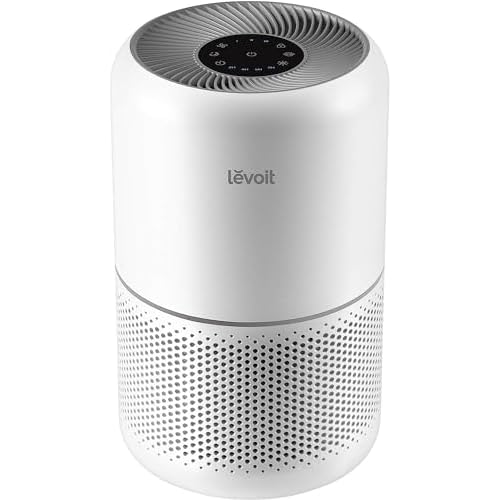
Utilizing air purifiers can significantly lower the presence of allergens in your living space. These devices filter airborne particles, including allergens produced by microscopic creatures that may inhabit fabrics and surfaces. Selecting a purifier equipped with a HEPA filter is key, as it effectively captures even the smallest particles.
Choosing the Right Air Purifier
- Look for HEPA filters that capture at least 99.97% of particles as small as 0.3 microns.
- Consider the Clean Air Delivery Rate (CADR); higher rates indicate better efficiency for a specified room size.
- Select purifiers with multiple filtration stages, including activated carbon filters to reduce odors.
Placement and Usage Tips
- Position the purifier in areas with high traffic, such as living rooms or bedrooms, to maximize its impact.
- Keep windows and doors closed while operating the unit to prevent outside pollutants from entering.
- Run the air purifier continuously, especially during peak allergy seasons.
- Regularly maintain and replace filters according to the manufacturer’s instructions to ensure optimal performance.
By incorporating these devices into your home environment, I’ve noticed a considerable reduction in allergies and enhanced air quality, contributing to a more comfortable living space.
Maintain Optimal Humidity Levels in Your Home
Keeping humidity between 30% and 50% is key to minimizing the presence of allergens. Invest in a hygrometer to monitor moisture levels accurately. If indoor humidity exceeds 50%, consider using a dehumidifier in areas prone to dampness, such as basements or bathrooms.
Ventilation plays a significant role. Ensure that exhaust fans operate effectively in kitchens and bathrooms to remove excess moisture. Open windows during dry days to promote airflow, reducing humidity levels naturally.
During winter, heating systems can dry out the air. To counter this, frequently refill humidifiers and maintain them to prevent mold growth. Be mindful of areas like laundry rooms; allow wet clothes to dry outside when possible.
To further control humidity, arrange furniture to allow air circulation. Position items away from walls and ensure that vents remain obstruction-free. Regular maintenance of indoor plants also helps; choose species that thrive in low-water conditions to avoid additional moisture buildup.
Avoid excessive watering of plants and monitor soil moisture closely. Lastly, seal any cracks or leaks in windows and doors to maintain a stable indoor environment and reduce humidity fluctuations.
Plan Seasonal Deep Cleaning for Upholstery
Scheduling a deep cleaning for upholstery twice a year is a practical approach. Choose a season when allergens are typically lower, such as spring or fall, to minimize exposure during the process.
Preparation Steps
Start by removing all items from the upholstery. This includes cushions, throws, and decorative pieces. Dust surfaces thoroughly before any cleaning begins to limit particles from re-settling. Ensure a well-ventilated area; opening windows will aid in air circulation.
Cleaning Process
Utilize a vacuum with a HEPA filter, ideally one designed for thorough upholstery cleaning. Focus on seams and edges where allergens accumulate. For deeper cleaning, employ a steam cleaner with a suitable attachment, as high temperatures effectively dismantle allergen structures. Finally, allow time for the upholstery to dry completely to avoid moisture issues.
Educate Family Members on Minimizing Dust Accumulation
Involve everyone in understanding the significance of reducing allergen buildup at home. Share knowledge about common sources of allergens, such as bedding, carpets, and upholstery, to highlight areas needing attention.
Designate Cleaning Responsibilities
Assign specific tasks to each family member. Encourage them to regularly dust surfaces with microfiber cloths and vacuum frequently to catch unwanted particles. Creating a chore chart can motivate consistent participation.
Promote Good Habits
Encourage practices like removing shoes at the entrance and using doormats to trap dirt and debris. Regularly washing bedding in hot water, maintaining cleanliness in shared spaces, and minimizing clutter further reduce accumulation.
Set an example by demonstrating the importance of routine maintenance and foster discussions about the benefits of a cleaner living environment. Over time, these habits can become second nature for everyone in the household.
FAQ:
What are some natural ways to eliminate dust mites from furniture?
Natural methods for getting rid of dust mites include using essential oils like eucalyptus or tea tree oil. You can create a spray by diluting these oils in water and lightly misting your furniture. Additionally, regular vacuuming with a HEPA filter vacuum can help remove dust mites and their droppings. Washing any removable covers or fabrics in hot water (at least 130°F) also plays a significant role in controlling dust mite populations.
How often should I clean my furniture to keep dust mites at bay?
Cleaning furniture regularly is important for controlling dust mites. Ideally, you should dust your furniture at least once a week using a microfiber cloth or a damp cloth to trap dust rather than dispersing it into the air. Vacuum upholstered furniture every two weeks, and wash removable covers monthly. This routine will significantly reduce dust mite populations over time.
Can using a dehumidifier help with dust mite problems?
Yes, using a dehumidifier can significantly help in managing dust mite issues. Dust mites thrive in humid environments, so maintaining humidity levels below 50% can make your home less hospitable to them. A dehumidifier can help regulate moisture levels, which, in turn, helps to reduce dust mite populations in your furniture and home.
Are there any specific cleaning products recommended for eliminating dust mites?
While many people use general cleaning products, it’s beneficial to seek out those specifically made for dust mite control. Look for sprays labeled as anti-dust mite or allergy relief products. Additionally, using hot water for cleaning upholstered items and bedding is crucial, as it kills dust mites and removes allergens effectively. Always ensure any product is safe for the materials in your furniture before applying it.
Do vacuuming techniques matter when trying to remove dust mites from furniture?
Yes, vacuuming techniques are quite important. When vacuuming furniture, use a vacuum equipped with a HEPA filter to ensure that allergens like dust mites and their droppings are captured and not released back into the air. It’s also advantageous to use the appropriate attachments, such as an upholstery brush, to reach crevices and other difficult areas. Regular vacuuming contributes greatly to reducing the presence of dust mites.


