Caleb Turner
The easiest method involves using a damp rubber glove. Simply run the glove over the surface of the upholstery. The static electricity created will attract the individual strands, allowing for quick and efficient cleanup.
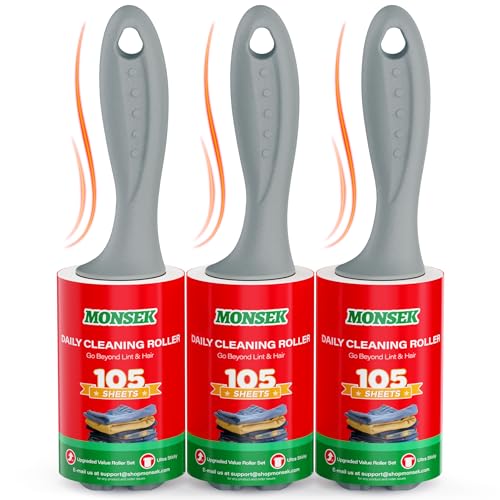
Another effective approach includes utilizing a lint roller. Roll it over the fabric, and the sticky sheets will lift away the fur effortlessly. For larger areas, consider investing in a vacuum cleaner equipped with a brush attachment specifically designed for pet fur.



To enhance the process, combining these techniques with a fabric softener diluted in water can help loosen stubborn particles. Spray lightly on the fabric and then use your rubber glove or lint roller to gather the loosened fur. This simple trick can make all the difference.
Incorporating regular grooming sessions for the pet not only reduces shedding on upholstery but also maintains the animal’s coat in optimal condition. Consistency in care leads to less fur making its way onto the surfaces within the home.
Choosing the Right Tools for Pet Hair Removal
Rubber gloves serve as an excellent option for removing unwanted fibers from upholstery. Simply dampen the gloves slightly and run your hands over the surface. Static electricity will attract those stubborn strands, making the cleaning process efficient.
A lint roller is another handy tool. With its sticky sheets, it effortlessly picks up fibers without much effort. Just roll it over the desired area, and replace the used sheet as needed.
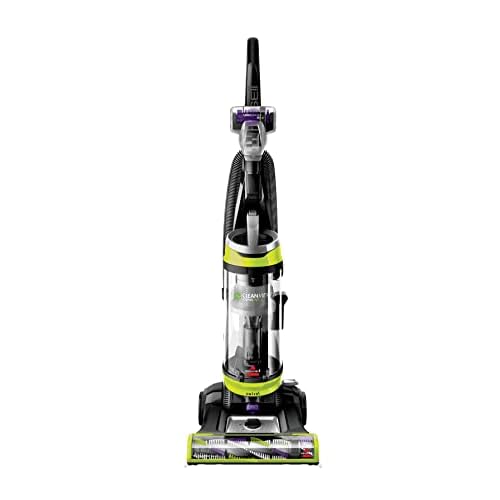
For more embedded strands, consider a vacuum cleaner equipped with a pet hair attachment. These specialized nozzles are designed to lift and trap stubborn fibers effectively, even from textured surfaces.
Another useful item is a dedicated pet grooming tool, such as a comb or brush specifically designed for hair removal. Running it along the fabric will help collect fibers while also keeping the pet well-groomed.
Microfiber cloths are also beneficial for capturing fine strands. Dampen the cloth slightly and wipe down the fabric; the electrostatic charge helps catch fibers efficiently.
For larger areas, a squeegee can be surprisingly effective. Rubbing it along the surface will gather hair into piles for easy collection.
- Rubber gloves for static attraction
- Lint roller for quick clean-ups
- Vacuum with pet hair attachment for thorough cleaning
- Pet grooming tools for dual-purpose use
- Microfiber cloths for fine strands
- Squeegee for larger spaces
Choosing the right combination of tools tailored to specific surfaces ensures that cleaning remains a straightforward task. Assess the type of material and the amount of fibers present to select the most suitable approach.
Using a Lint Roller to Clean Upholstery
A lint roller simplifies the task of removing pet remnants from upholstery effectively, making it a practical choice for any pet owner. Its adhesive sheets capture fur easily, preventing further dispersal in the environment.
Steps to Use a Lint Roller
- Begin by ensuring the furniture surface is dry and free from debris like crumbs or lint.
- Take the lint roller and press the sticky sheet against the fabric. Apply moderate pressure for optimal adhesion.
- Roll the adhesive sheet across the upholstery in one direction to collect as much fluff as possible.
- Periodically peel off the used layer to reveal a fresh sheet underneath. This increases efficiency and maximizes collection.
- For tricky spots, such as crevices or seams, use the edge of the roller for better accessibility.
Tips for Maximum Effectiveness
- Keep a lint roller handy in commonly used areas, like the living room or near pet beds.
- Consider using larger rollers for substantial clean-up or travel-sized ones for quick touch-ups.
- Regular maintenance helps reduce the build-up of fur, simplifying the cleaning process over time.
This approach not only ensures a cleaner living space but also minimizes allergy triggers caused by dander and fur, contributing to a healthier atmosphere. Convenience and efficiency define the benefit of maintaining a lint roller as part of regular household upkeep.
Vacuuming Techniques for Furniture
Utilizing the right vacuuming approach can significantly enhance the removal of pet fibers from various surfaces. Begin by selecting a vacuum with specific attachments designed for upholstery or handheld options for detailed areas.
Ensure the vacuum cleaner has strong suction and a rotating brush, which effectively loosens and picks up stubborn strands. For furniture with intricate designs, a crevice tool can be immensely helpful for accessing tight spaces.
Vacuum furnishings in multiple directions to dislodge hairs embedded in the fabric. For larger surfaces, work systematically to cover the entire area without missing spots. A slow, methodical pace allows the vacuum to adequately pick up every strand.
Consider vacuuming dampening the fabric slightly beforehand. Lightly misting with water or a fabric-safe spray can help fibers stick together, making them easier to collect. Always test products on a hidden area first to avoid damage.
Establish a regular vacuuming schedule, such as weekly or bi-weekly, based on the pet’s shedding patterns. Consistent upkeep reduces the buildup of fibers, preserving the cleanliness of all surfaces in the home.
| Technique | Description |
|---|---|
| Use Attachments | Employ upholstery and crevice tools for effective cleaning. |
| Direction Variation | Vacuum in multiple directions to dislodge embedded fibers. |
| Light Mist | Mist with water before vacuuming for easier collection. |
| Regular Schedule | Establish a consistent routine based on shedding levels. |
Using Rubber Gloves for Quick Cleanup
For an efficient cleanup, I recommend wearing rubber gloves. The static electricity generated while rubbing the gloves against the upholstery effectively attracts loose fur. This method excels in areas where traditional tools struggle.
Begin by putting on the gloves and dampening them slightly. The moisture enhances the attraction of fur, making the removal process quicker. With a gloved hand, wipe the fabric in a sweeping motion, concentrating on high-traffic sections.
For stubborn patches, a gentle scrubbing motion loosens embedded debris. After collecting the strands, rinse the gloves under running water to remove the accumulated particles, ensuring they are ready for the next session.
This approach not only simplifies removal but also offers a tactile connection to the process, allowing for better maneuverability around furniture edges and crevices. Additionally, it works well on various types of surfaces, including leather and chairs with textures that trap fur.
Fabric Softener Hacks for Hair Removal
Mixing fabric softener with water creates a potent solution to tackle pet fibers. Combine one part softener with three parts water in a spray bottle. Lightly mist the surface prior to cleaning. This helps loosen stubborn strands, making removal much simpler.
Cleaning Cloths and Softener Solution
Soak a microfiber cloth in the prepared solution, then wring it out. Using this damp cloth, wipe down upholstery. The anti-static properties of softener attract and trap the strands, leaving your surfaces cleaner. This method works particularly well on soft fabrics like sofas and chairs.
Softener Sheets Trick
Rubbing used dryer sheets across surfaces can effectively gather loose fibers. The sheets’ texture and scents help pull particles away while simultaneously leaving a fresh aroma. Simply glide the sheet over the area in need of attention to collect debris.
These fabric softener strategies not only ease the cleanup process but also leave behind a pleasant scent, enhancing the overall freshness of your living space.
Understanding Different Upholstery Fabrics
Choosing the right type of fabric for furniture dramatically influences the ease of maintaining a pet-friendly home. Fabrics such as microfiber and leather offer smooth surfaces that resist cling, making cleanup simpler. Microfiber, in particular, has tightly woven fibers that catch loose strands with minimal effort.
Natural fabrics, like cotton and linen, tend to attract more fuzz and debris due to their texture. While they provide a cozy aesthetic, additional effort may be required to keep them looking tidy. Synthetic blends can offer a balance between comfort and practicality, often featuring treatments that repel hair and stains.
While selecting a fabric, consider the weave. Tight weaves allow less space for particles to embed, making removal easier. Loose weaves, such as those on certain upholstery, can trap strands more effectively, complicating the maintenance process.
For families with pets, opting for dark or patterned fabrics may help camouflage evidence from furry companions. Regularly checking care labels assists in understanding cleaning requirements, preventing potential damage to the material over time.
Exploring performance fabric options, which are specifically designed to withstand wear and tear, can also be beneficial. Many of these fabrics are engineered to resist staining and simplify maintenance, ensuring a more enjoyable living space despite the presence of pets.
Regular Grooming to Reduce Shedding
Establishing a consistent grooming routine significantly minimizes loose fur around the house. Brush your canine companion at least once a week, ideally more often during peak shedding seasons. Use a de-shedding tool or a slicker brush to efficiently remove undercoat and dead strands.
Choose the Right Frequency
Adjust grooming frequency based on breed and fur type. Short-haired breeds may benefit from weekly brushing, while long-haired canines might require several sessions each week to prevent matting and tangling. For those with heavy shedding, daily brushing can dramatically cut down on stray fluff.
Incorporate Bathing as a Routine
Regular baths with a quality pet shampoo can help eliminate excess fur and skin flakes. Ensure to rinse thoroughly and follow up with a moisturizing conditioner to maintain coat health. Limit baths to once every few weeks to avoid skin dryness, but adjust based on your pet’s specific needs.
Combining these grooming techniques with other cleaning strategies will reinforce your efforts to keep your living space fur-free.
Cleaning Routine: How Often to Remove Hair
It’s advisable to tackle pet fur on a weekly basis, setting aside specific days for deep cleaning. A consistent schedule helps maintain a fur-free environment and prevents hair accumulation.
In high-traffic areas, such as living rooms, increase frequency to two or three times a week. This ensures that surfaces remain clean and fresh. For less utilized spaces, a once-a-week routine suffices.
A vacuum equipped with a pet hair attachment can effectively manage fur during regular cleanings. Following a vacuum session, a secondary method–like using a lint roller or rubber gloves–can catch any remaining strands.
Pay attention to blow-drying schedules in relation to grooming days, as fresh grooming often coincides with increased shedding. Adjust cleaning based on shedding patterns; during seasonal changes, more frequent hair removal is necessary.
Implementing this routine not only keeps the environment tidy but also contributes to overall cleanliness. Staying proactive in this effort minimizes the need for extensive cleaning interventions.
Utilizing these structured cleaning habits will ultimately enhance the domestic atmosphere and minimize allergens associated with animal fur.
Preventing Future Hair Build-Up on Furniture
To minimize the accumulation of fur on upholstery, consider implementing a grooming schedule for pets. Regularly brushing them can significantly decrease shedding, reducing the amount of fur that lands on your furniture.
Opt for pet-friendly furniture covers or slipcovers, which can be easily removed and washed, offering a practical barrier against loose strands. Choosing materials that are less prone to attracting and holding onto fur, such as leather or tightly woven fabrics, can also help maintain a cleaner appearance.
Consider placing designated resting spots or pet beds in areas away from furniture. This can encourage pets to use specific locations, effectively limiting fur dispersion.
Utilizing static electricity can be an unconventional yet effective method. Rubbing a microfiber cloth over surfaces can attract and lift embedded fur. Maintaining a consistent cleaning regimen, ideally weekly, ensures surfaces remain fur-free.
| Action | Frequency |
|---|---|
| Grooming Pets | 2-3 times a week |
| Vacuuming Furniture | Weekly |
| Washing Covers | Monthly |
| Using Lint Rollers | As needed |
Implementing these strategies creates an environment that’s less conducive to fur build-up, allowing for a more enjoyable living space. Regular assessments of cleaning methods can lead to adjustments tailored to specific needs.
FAQ:
What are some quick methods to remove dog hair from furniture?
One quick method to remove dog hair is to use a rubber glove. Simply put on the glove and rub your hand across the furniture. The static electricity generated will attract the hair. Another option is to use a lint roller, which can easily pick up hair from surfaces. Additionally, a damp cloth can work well; just wipe down the furniture to gather the hair effectively.
Are there specific tools that are better for removing dog hair from suede or microfiber furniture?
When dealing with suede or microfiber, it’s important to choose tools that won’t damage the fabric. A specialized upholstery brush can be effective, as it lifts hair without harming the fibers. You might also consider a rubber squeegee or a pet hair remover designed specifically for these fabrics. For microfiber, using a slightly damp sponge can also gather hair without leaving residue.
How often should I clean dog hair from my furniture to keep it under control?
Ideally, you should clean dog hair from your furniture at least once a week to keep it manageable. However, if your dog sheds a lot, you might need to do it more frequently, perhaps every few days. Regular cleaning helps prevent hair buildup and makes the cleaning process easier over time. Pay attention to high-shedding seasons, as you may need to adjust your cleaning routine accordingly.
Can I prevent dog hair from getting on my furniture in the first place?
Yes, there are several strategies to minimize dog hair on furniture. First, consider using pet-friendly throws or covers on your couches, which can be easily washed. Regular grooming of your dog can significantly reduce shedding, so brush your pet frequently. Additionally, setting up designated areas for your dog can help keep them off the furniture. Training your dog to stay off specific areas can also be effective.
What homemade solutions can I use to tackle stubborn dog hair on furniture?
A homemade solution to tackle stubborn dog hair includes mixing equal parts of water and fabric softener in a spray bottle. Lightly mist the furniture before wiping it down with a cloth; the mixture helps loosen hair. Another option is a mixture of water and vinegar, which can be effective as well. Just ensure you test any solution on a small area first to check for compatibility with your furniture’s material.