
 Caleb Turner
For immediate results, cold water is essential. First, blot the area gently using a clean cloth to absorb excess moisture. Avoid rubbing, as this can spread the stain further into the material.
Next, mix a solution of mild detergent and cold water. Apply this mixture to the affected spot using a small cloth, dabbing lightly. A soft-bristled brush can aid in loosening the stain without damaging the texture of the upholstery.
After a few moments, use another cloth soaked in cold water to rinse the area, ensuring all soap residue is removed. Finally, blot with a dry cloth to absorb any remaining moisture, and allow the fabric to air dry completely.


For stubborn marks, repeating these steps or considering an enzyme-based cleaner might be beneficial. Always test any cleaning solution in an inconspicuous area first to prevent discoloration.
Technique for Removing Stains from Upholstery
A mixture of cold water and mild soap is an effective initial approach. Dampen a clean cloth with this solution and gently blot the stained area. Avoid rubbing, as that may worsen the situation.
Natural Solutions
For a more organic method, consider using hydrogen peroxide. Apply a small amount directly onto the impacted cloth, allowing it to sit for a few minutes. Blot with a clean cloth, repeating as necessary until the blemish is less visible.
Commercial Cleaners
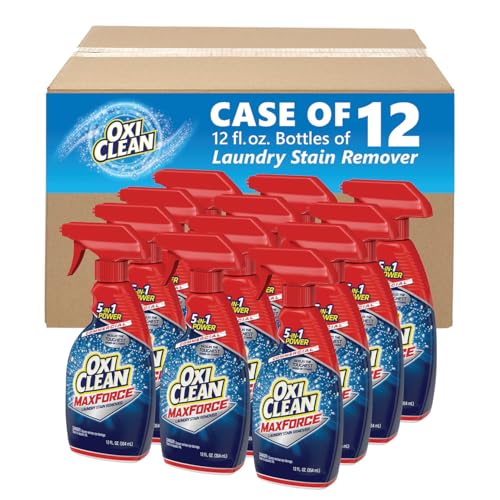
Utilizing a specialized upholstery cleaner can yield positive results. Follow the product instructions closely, typically involving spraying the cleaner on the affected area and blotting with a soft cloth.
| Method | Ingredients | Steps |
|---|---|---|
| Soap Solution | Cold water, mild soap | Dampen cloth, blot gently |
| Hydrogen Peroxide | Hydrogen peroxide | Apply, let sit, blot |
| Commercial Cleaner | Upholstery cleaner | Spray, follow instructions, blot |
After any method, allow the spot to air dry completely. If needed, repeat the process for further improvement on the appearance. Consider testing any solution on an inconspicuous area first to prevent potential discoloration.
Identify the Type of Fabric
Begin by checking the label on the upholstery, which often specifies the material used. Common types include cotton, polyester, wool, and leather, each requiring specific treatment methods. If the label is missing, visual and tactile examinations can help determine the fabric’s nature.
Cotton and Blends
Cotton fabrics are soft and absorbent, making them prone to staining. Blended materials may combine cotton with synthetic fibers, slightly altering stain removal techniques. Conduct a damp cloth test to see how the fabric absorbs moisture, which indicates its porosity.
Synthetic and Leather
Synthetic fabrics like polyester or nylon are typically more water-resistant. Leather, although durable, requires special care. Avoid excessive moisture, as it can damage the surface. Consider using a specialized leather cleaner for maintenance.
Gather Necessary Cleaning Supplies
First, grab cold water to help dilute any remaining staining particles. A clean white cloth or paper towels are essential for blotting, minimizing the spread of the mark. Consider using a soft-bristle brush, particularly for textured materials. For most situations, a mild dish soap or liquid laundry detergent works well; test a small area first to ensure compatibility. Hydrogen peroxide can act as a more potent option for persistent stains, but it requires careful handling. Protective gloves will keep skin safe from irritation during the cleaning process. Finally, a spray bottle will help distribute solutions evenly over the material.
Act Quickly: The Importance of Time
Immediate response to stains significantly impacts the likelihood of successful removal. The longer a stain sits, the more it sets into the fibers, making it increasingly difficult to clean. Aim to treat the area within minutes of the incident for optimal results.
Understanding Reaction Time
Knowing that time is of the essence helps prioritize swift action. Not only does prompt treatment prevent permanent marks, but it also minimizes odors that might develop over time. A rapid approach ensures that the offending substance does not bond with the material, providing a better chance for complete eradication.
Steps to Take Right Away
Blot carefully with a clean cloth to absorb excess liquid without spreading it further. Working from the outside edge toward the center minimizes the risk of expanding the stain. Then, proceed with the appropriate pre-treatment and cleaning solution for the specific material type, ensuring the method chosen is compatible. If uncertain, testing in an inconspicuous area can provide peace of mind.
Initial Blotting Techniques for Blood Stains
To effectively tackle stains from bodily fluids, it is essential to focus on blotting. This technique aids in lifting the discoloration from the surface without spreading it further.
1. Gather absorbent materials: Utilize clean, white cloths or paper towels. Avoid colored items, as dyes may transfer onto the surface.
2. Blot gently: Place the cloth over the stain and apply minimal pressure. Start from the outer edge and work toward the center, absorbing as much of the liquid as possible.
3. Reposition as necessary: Use fresh sections of the cloth frequently to ensure the stain is not redistributed. Continue blotting until no more liquid is transferred to the cloth.
4. Avoid rubbing: Rubbing can damage the fibers and exacerbate the stain. Keep the motion gentle and controlled.
5. Cold water rinse: If feasible, dab the stain with a cloth dampened in cold water after initial blotting. This can assist in further lifting the residue.
Aiming for immediate action during the initial treatment significantly increases the chance of successful removal. Act wisely in these early steps to mitigate any lasting effects.
Preparing a Cleaning Solution
Mix cold water with a mild detergent to create a cleaning solution effective for most types of upholstery. Use a ratio of about one tablespoon of detergent to two cups of cold water.
For tougher stains, consider using hydrogen peroxide. Combine one part hydrogen peroxide with two parts water. Test on an inconspicuous area first to ensure compatibility with the material.
Another option involves a mix of white vinegar and water in equal parts. This natural solution can help break down protein stains like those from a liquid.
Gather the following items to make the cleaning process smoother:
- Clean cloths or paper towels for blotting
- Spray bottle to easily apply the solution
- Bucket for mixing larger quantities if needed
After mixing the chosen solution, ensure it’s well-blended. Avoid using hot water, as it can set the stain.
Applying the Solution to the Stain
After preparing the appropriate cleaning agent, I apply it directly onto the stained area using a clean cloth or sponge. It’s important to cover the entire stain while being cautious not to saturate the fabric too much. A gentle dabbing motion is preferred, as rubbing may spread the stain further.
Work From the Outside In
Starting from the outer edges of the stain, I move towards the center. This technique helps contain the stain and prevents it from expanding. I continue applying the solution, allowing it to penetrate for a few minutes. Meanwhile, I test a small, inconspicuous area of the upholstery first to ensure the fabric’s color and texture will not be adversely affected.
Blotting to Lift Stains
Using a dry cloth, I blot the area to absorb any lifted residue along with the cleaning solution. Repeating this process might be necessary, switching to a fresh cloth as it becomes stained. Maintaining this approach until the stain appears to diminish is key. A follow-up rinse with cold water on a separate cloth aids in removing any cleaning agent residue.
Rinse and Dry the Affected Area
After applying the cleaning concoction, I proceed to meticulously rinse the soiled region. Utilizing a clean cloth dampened with cool water, I gently blot the area to remove any residual solution and loosened particles. It’s crucial to avoid rubbing vigorously, as this may spread the stain or damage the fabric fibers.
Once rinsing is complete, I take a dry cloth or paper towel to absorb excess moisture. I press it against the fabric to draw out as much liquid as possible without saturating the area further. This step helps in preventing watermarks or additional stains from forming.
Air Drying Techniques
I allow the spot to air dry completely, ideally by placing a fan nearby or opening windows for better ventilation. If the material is sensitive, I ensure that the drying process is gentle to avoid any potential heat damage. Patience is key in this phase, as rushing can lead to lingering marks.
Final Considerations
After the section has dried, I inspect it closely. If traces of discoloration remain, a second treatment may be necessary. Always check care labels before proceeding with any further cleaning actions to ensure no harm comes to the upholstery.
Dealing with Stubborn Stains and Residue
For persistent marks, a stronger mixture may be necessary. I mix equal parts white vinegar and water, applying this solution directly onto the stain. Gently agitating with a soft brush can help lift the remains without damaging the textile.
If residue lingers after the initial treatment, enzymatic cleaners can be highly effective. These products break down proteins in stains. I apply the cleaner as directed and let it sit for the recommended time for optimal results.
For tough situations, repeating the cleaning process may be required. Patience is essential; I never rush the treatment. After each attempt, rinsing with cool water ensures all cleaning agents are removed.
To prevent setting stains, I always avoid using heat sources, such as hairdryers, as this can permanently fix the discoloration. Instead, air drying the area ensures that no unintended reactions occur.
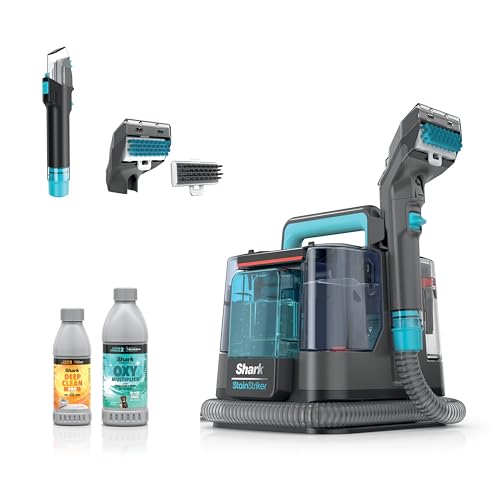
If the fabric allows, I consider utilizing a steam cleaner to aid in eliminating any remnants that remain. The heat and moisture work together effectively for deeper cleaning.
Regular maintenance with fabric-safe protectants can assist in minimizing future occurrences. Applying these products helps repel stains, making future clean-ups easier.


