
 Caleb Turner
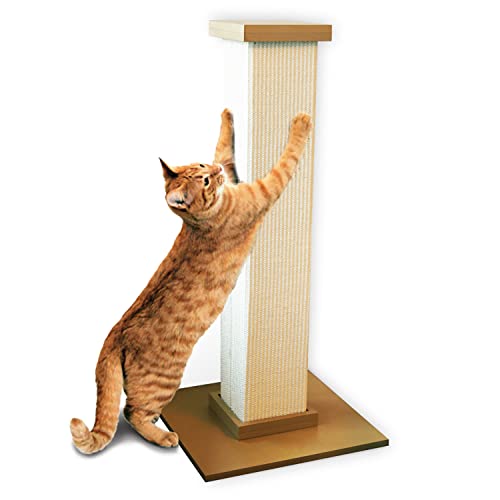
Providing a designated scratching post is a fundamental approach. Ensure it’s tall enough and sturdy, enticing enough to compete with the allure of your couch. Place it near the area where unwanted claw marks tend to appear. High-quality sisal or carpet surfaces are often more appealing than softer materials.
Introducing tempting alternatives with catnip or treats can enhance its attractiveness. Regularly encourage interaction by playing, especially during peak energetic times. Observing their preferences will allow tailoring engaging activities to keep their attention on the scratching post rather than the upholstery.
Employing a gentle deterrent, such as a citrus spray, can prevent them from returning to the affected areas. Cats typically dislike these scents, making them effective and harmless. Pair this with positive reinforcement when they use appropriate surfaces. Rewarding with treats or affection can solidify the desired behavior.
Consistency is key. Multiple strategies may need to be employed together, gradually shifting focus from furniture to approved surfaces. By understanding these creatures’ natural instincts and providing guidance, unwanted behavior can be redirected efficiently and harmoniously.
Understanding the Reasons Behind Scratching
Identifying triggers behind this behavior is essential. Cats often scratch to mark territory; they have scent glands in their paws that release pheromones, communicating with others. Providing designated areas for this action can help redirect their instincts.


Another motivating factor could be the need for physical exercise and mental stimulation. Offering interactive toys or playtime encourages active behavior, reducing the urge to damage household items. Various scratching posts or pads designed with different textures can attract attention and satisfy this instinct.
In some cases, stress or anxiety may lead to unwanted behavior. Observing changes in routine or environment can shed light on underlying issues. Creating a secure space with familiar scents and safe hiding spots promotes comfort.
| Reason | Suggested Solutions |
|---|---|
| Territorial Marking | Provide designated scratching surfaces |
| Physical Exercise | Engage with interactive toys |
| Stress/Anxiety | Create a secure environment |
| Maintaining Claw Health | Regular nail trims and scratching options |
Understanding these factors allows for developing a tailored approach to guiding the feline companion towards more acceptable behaviors, ensuring both their needs and home environment are respected.
Setting Up Proper Scratching Posts
Select various types of scratching posts: vertical, horizontal, and angled. Cats often have preferences based on their natural behaviors. Observe which orientation your pet favors to ensure maximum engagement.
Material matters. Sisal, cardboard, and carpet are popular textures that entice felines to use them. Mixing materials can provide more options and increase interest over time.
Placement is Key
Position the scratching posts in areas where scratching frequently occurs. If specific spots are targeted for destruction, place posts nearby as alternatives. Visibility and accessibility encourage usage.
Encourage exploration by trying different locations around the home. This allows pet owners to find the ideal spot where the feline feels comfortable and engaged.
Attract with Scent and Toys
Add catnip or sprinkle a bit of feline pheromone spray on the posts to draw attention. Incorporating interactive toys near the scratching areas provides additional stimulation, making the posts more appealing.
Regularly rotate or reposition the posts to keep the environment fresh. This activity can re-inspire the pet and deter boredom, leading to healthier scratching habits.
Using Deterrents to Protect Furniture
Implement double-sided tape on areas prone to clawing. The adhesive texture discourages unwanted behavior, making the surface unappealing for a pet. Consider citrus-scented sprays as a natural repellent; these scents can effectively deter some felines who dislike the aroma.
Utilize motion-activated air sprays or sound devices that respond to movement. These systems create a brief puff of air or a startling noise when approached, training to avoid specified zones. Ensure the devices are positioned discreetly for maximum surprise effect.
Secure furniture protectors made from durable materials. These barriers can cover essential surfaces and withstand minor scratches, serving as both a deterrent and a protective layer. Explore options with textures that may be less inviting for clawing.
Employ puzzle toys filled with treats to redirect attention. Engaging toys keep minds occupied, thus reducing the likelihood of seeking diversion via furniture. The added element of reward solidifies the positive association with the toys.
Regularly adjust training methods according to responses observed. Adapt any deterrents to suit the preferences and reactions of the pet. Experimenting with different approaches helps in determining the most effective strategy in maintaining a scratch-free environment.
Redirecting Scratching Behavior
Introducing alternative options is key. Providing various scratching surfaces, such as vertical posts and horizontal pads, helps guide your pet to appropriate items. I found that offering different textures, like sisal or cardboard, attracted more attention than traditional fabric-covered posts.
Placement matters; positioning these alternatives near commonly targeted areas encourages exploration. I’ve had success placing a post right next to a beloved lounging spot. Reinforcing positive interactions with treats and praise enhances the likelihood of using the designated item.
Incorporating playtime can also steer patterns. Engaging with interactive toys near the scratching posts can draw interest, making it more appealing than other surfaces. Transitioning to a schedule that includes ample play can significantly reduce unwanted behavior.
Utilizing enticing scents can enhance the appeal of scratching posts. Sprinkling a bit of catnip or using sprays designed to attract may encourage exploration of these designated areas. I’ve found it helpful to refresh these scents regularly to maintain interest.
Consistency remains vital. Regularly redirecting attention to acceptable options when I notice unwanted behavior reinforces the preferred actions. Over time, this strategy can help create a clear understanding of what surfaces are appropriate to engage with.
Positive Reinforcement Techniques for Good Behavior
Utilize treats immediately after desirable actions, ensuring that the reward is given promptly to create a clear association. Opt for small, high-value rewards that entice and motivate, such as commercial cat treats or pieces of cooked chicken. This approach helps reinforce positive actions in real-time.
Creating a Reward Schedule
Establish a schedule for rewards to maintain consistency. For example, reward after every successful interaction with the designated scratching post. Gradually reduce the frequency of treats to encourage independent behavior while still offering praise. This method helps maintain long-term good habits.
Incorporating Playtime
Engage in interactive play sessions that utilize toys mimicking prey, encouraging physical activity and mental stimulation. Redirect focus during these times to the designated scratching surfaces. Incorporating play as a reward reinforces a bond and helps shift focus from unwanted areas.
| Technique | Description |
|---|---|
| Treats | Immediate reward with high-value snacks following proper interactions. |
| Reward Schedule | Consistent system of rewards that gradually decreases to promote independence. |
| Interactive Play | Use engaging toys to redirect behavior and encourage use of scratching alternatives. |
By integrating these techniques, focus shifts positively, nurturing desired habits and ensuring a harmonious environment. Through consistent positive reinforcement, a natural inclination towards appropriate behaviors develops, fostering a respectful relationship.
Creating a Cat-Friendly Environment
Prioritize a space that encourages natural behaviors without damaging items. Start with the following elements:
- Provide multiple scratching surfaces: Different types such as vertical, horizontal, and angled options cater to varied preferences.
- Choose the right materials: Sisal, cardboard, and carpeted posts attract interest. Experiment with options to find what your feline prefers.
- Position strategically: Place scratching posts near favorite lounging areas and close to existing marks on furniture to redirect attention.
- Incorporate play zones: Use toys and climbing structures to enhance engagement and utilize energy positively.
- Create cozy resting spots: Sheltered napping areas help them feel secure, reducing stress-related behaviors.
Regularly assess the environment to ensure it remains stimulating. Introducing new elements periodically keeps interest alive and minimizes unwanted habits.
- Add variety: Rotate toys and scratching posts to maintain engagement.
- Ensure visibility: Keep areas well-lit to highlight play zones and scratching surfaces, encouraging use.
Invite exploration by creating safe outdoor spaces, securing areas with catios or leash walks, allowing them to experience different textures and scents while keeping them safe.
This tailored approach fosters a harmonious coexistence, steering clear of destructive actions while promoting well-being. Observe behaviors and adjust the environment as needed, respecting individual personalities and preferences.
Establishing a Routine for Training
Consistency is key in establishing a training routine. I found that allocating specific times throughout the day for play and interaction aids in fostering good habits. Regular engagement helps redirect unwanted behaviors effectively.
- Schedule dedicated play sessions each day, ideally lasting 15-20 minutes.
- Incorporate interactive toys that promote physical activity and mental stimulation.
- Introduce scratching posts during playtime, encouraging exploration and use.
Monitoring behavior regularly is important. Keeping a log of incidents can help identify patterns and triggers, making it easier to modify strategies as needed. I utilized a simple notebook for tracking my pet’s activities, noting when misbehavior occurred.
- Document time of day and specific triggers that lead to unwanted actions.
- Adjust the environment based on findings, moving distracting objects or providing alternative outlets for physical energy.
Additionally, consider integrating a consistent command cue during training sessions. Pairing a verbal signal with an action can establish clear communication. Every time my pet engages with an appropriate object, I reinforce this with praise.
- Choose a short word or phrase as a command, such as “scratch here.”
- Use the command just before demonstrating the desired behavior, followed by praise once achieved.
Lastly, set a timeframe for routine. Gradually increase durations of positive reinforcement and interaction. I noticed that as the routine became entrenched, my pet developed more positive habits over time.
When to Seek Professional Help for Scratching Issues
If unpleasant behavior continues despite various attempts to redirect or mitigate it, consulting a veterinarian or a feline behaviorist is advisable. Look for these indicators:
- Consistent Aggression: If the animal displays aggression towards owners or others when prevented from clawing, professional advice is warranted.
- Stress-Related Symptoms: Observe for signs of excessive anxiety or stress, such as hiding, excessive grooming, or changes in eating habits.
- Habit Started After Trauma: If the behavior emerged following a stressful event, expert help might provide insight into underlying issues.
- Health Concerns: Unusual or compulsive behaviors could indicate health problems. A veterinary checkup is essential to rule out medical causes.
Most importantly, if attempts to reduce damage and alter habits fail, guidance from a qualified professional can offer specific strategies tailored to individual needs and the unique personality of the feline.
Collaboration with professionals ensures better outcomes and promotes a harmonious living space. Regular follow-ups can help track progress and adapt strategies as needed.
Maintaining Consistency in Discipline Tactics
Establishing clear boundaries is crucial. I maintain the same reaction every time an undesired action occurs. Consistency in using verbal cues signals that certain behaviors are unacceptable. A firm “no” works effectively when given immediately after the incident.
Reinforcing Responses
Utilizing the same physical deterrents, like sprays or covers, reinforces the message. Switching response techniques can confuse my furry companion, leading to frustration for both of us. By ensuring all family members understand and apply the same rules, we create a unified approach. This minimizes mixed signals that could undermine training efforts.
Tracking Progress
Keeping notes on behavioral patterns helps identify any progress or setbacks. I can assess the effectiveness of chosen tactics, adjusting them as necessary based on the feedback observed. Regular evaluation aids in retaining a consistent framework and provides insights for potential enhancements in methods.
Ultimately, establishing a solid routine fosters an understanding of expectations, creating an environment where unwanted behaviors diminish over time.


