Caleb Turner
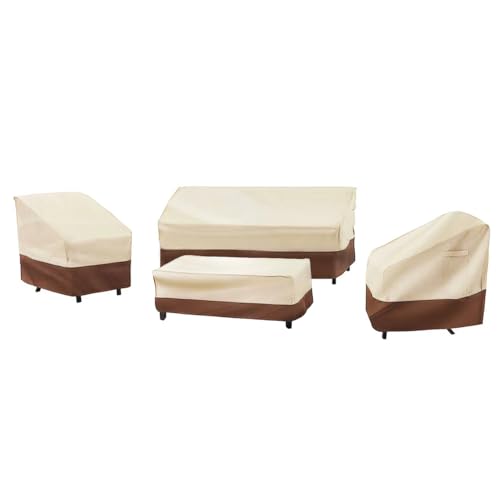
Begin with a mixture of warm water and mild soap for a thorough wash. A soft brush or sponge works wonders in tackling dirt and grime, while avoiding harsh abrasives that could damage the fabric.
For stubborn stains, applying a solution of vinegar and water can be effective. Let it sit for a few minutes, then use the brush to gently scrub the area before rinsing.
Sunlight can cause fading, so ensure to let the material dry completely in a shaded area. This not only preserves the color but also prevents the growth of mold and mildew.
Regular maintenance is key. A quick wipe down every few weeks can prevent buildup, making the next deep clean easier and quicker.

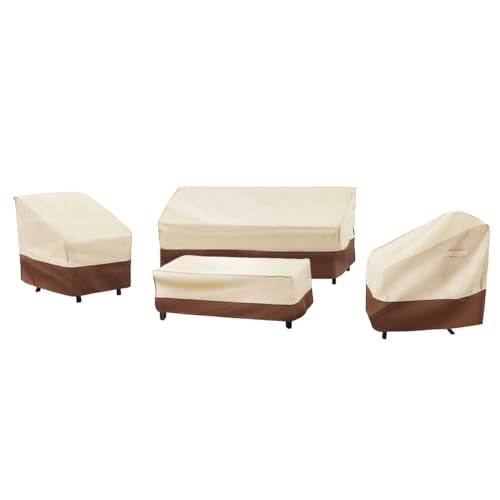
Choosing the Right Cleaning Solution for Fabric Types
Identify the fabric type before selecting a cleaning agent. For polyester and acrylic blends, a mild detergent mixed with water suffices. Test a hidden area for colorfastness before applying the solution across the entire surface.
For canvas materials, opt for a specialized canvas cleaner. Avoid bleach, as it can weaken fibers. After applying the cleaner, a soft brush can help remove stubborn stains.
If the fabric is made from Olefin or polypropylene, a mixture of warm water and gentle soap works best. Rinse thoroughly to prevent any residue buildup, which can attract dirt.
For delicate fabrics like cotton or linen, consider using a diluted vinegar solution. This approach helps to remove mildew and odors without damaging the fibers. Always air dry such materials to maintain their integrity.
In cases of stains or spills, act swiftly. Blot, don’t rub, and apply an appropriate spot cleaner tailored to the specific fabric type. Always refer to the manufacturer’s care label for any specific recommendations.
Preparing Outdoor Furniture Covers for Cleaning
Before initiating the washing process, remove all dirt and debris by gently shaking or using a soft brush. Pay particular attention to any areas where leaves or dust may have settled. If necessary, a vacuum cleaner with an appropriate attachment can help eliminate stubborn particles.
Inspection for Damage
Examine the fabric closely for any signs of wear, such as tears, fraying, or loose seams. Identifying these issues beforehand allows for timely repairs, ensuring longevity prior to deep cleaning efforts.
Water Resistance Assessment
Conduct a simple water test to evaluate the fabric’s resistance. Pour a small amount of water onto the surface. If beads of water form and roll off, the protective coating is likely intact. If the water soaks into the material, it may require reapplication of a water repellent treatment post-cleaning.
| Preparation Step | Description |
|---|---|
| Remove Debris | Shake or brush off dirt and leaves from the covers. |
| Inspect for Damage | Check for tears, frays, or loose seams; repair if needed. |
| Water Test | Pour water to test fabric’s resistance, assess need for treatment. |
Step-by-Step Guide: Hand Washing Covers
Begin by gathering necessary materials: a large basin or bathtub, mild detergent, soft brush or sponge, and clean water. Ensure the washing area is spacious to accommodate the covers comfortably.
1. Rinse Thoroughly
Wet the surface of each covering using a hose or shower nozzle. This simple step helps remove loose dirt and debris, preparing for a deeper clean.
2. Prepare Cleaning Solution
Mix a small amount of mild detergent with lukewarm water in a basin. Following the instructions on the detergent label is key for optimal results.
3. Scrub Gently
Dip the brush or sponge into the soapy mixture and gently scrub the fabric in circular motions. Focus especially on stained or soiled areas, applying moderate pressure without damaging the material.
4. Rinse Again
Using clean water, rinse off the soapy solution thoroughly. Ensuring no residue remains is crucial for maintaining the integrity of the fabric.
5. Dry Properly
Lay the cleaned covers flat on a clean surface or hang them in a shaded area to air dry. Avoid direct sunlight, which can cause fading and damage.
Following these steps will help maintain the quality and appearance of your protective coverings, extending their lifespan for many seasons to come.
Using a Washing Machine: Tips for Safe Cleaning
Load items carefully to avoid damage; don’t overcrowd the drum. Allow enough space for movement during the cycle. Use a gentle cycle setting to prevent excessive agitation, which can cause wear.
Select a mild detergent suitable for the fabric type, ensuring it’s free from bleach or harsh chemicals. This helps maintain color and integrity.
Before starting, check all zippers, buttons, and straps. Secure them to avoid snagging and tearing during washing. Additionally, turn items inside out to protect the outer fabric from friction.
- Temperature: Cold water is preferable unless the label specifies otherwise. Warm or hot water can shrink or fade colors.
- Cycle type: Use the delicate cycle to minimize stress on the material.
- Spin speed: Opt for low spin settings to reduce potential stretching.
After the wash, air dry items instead of using a dryer. Direct sunlight can cause fading, so choose a shaded area for drying. If applicable, reapply any water-repellent spray once completely dry to enhance protection against future elements.
Removing Stains: Techniques for Tough Spots
For stubborn blemishes such as grease or mildew, act swiftly. Blot the area first to remove excess residue. Prepare a paste using baking soda and water, applying it directly to the stain. Let it sit for 15-30 minutes before rinsing with cool water.
Grease Stains
For grease marks, sprinkle cornstarch or talcum powder on the affected spot. Allow it to absorb for several hours, then gently brush away. Follow with a mixture of dish soap and warm water to wash the area. Rinse and dry thoroughly.
Mildew and Mold
Use a solution of one part white vinegar to two parts water. Spray directly on the moldy spot and allow it to sit for 10-15 minutes. Scrub with a soft brush, then rinse with water. To prevent future growth, ensure the material is completely dry before folding or storing.
Drying Outdoor Furniture Covers: Best Practices
To ensure longevity and maintain the quality of fabric enclosures, it’s important to dry them properly. Always opt for air drying instead of using a dryer, as high heat can damage materials and lead to shrinkage. Lay the covers flat on a clean surface or hang them in a well-ventilated area away from direct sunlight to prevent fading.
Techniques for Effective Air Drying
Use clothespins or clips to secure covers when hanging to prevent them from blowing around in the wind. Make sure they are spread out evenly, allowing for adequate airflow. If drying on a flat surface, consider placing a clean towel underneath to absorb excess moisture. Flip covers periodically to promote even drying on both sides.
Preventing Mold and Mildew
Ensure that the items are completely dry before storing them. Any remaining moisture can lead to mold and mildew growth. If conditions are humid, extend the drying time or consider using a fan to circulate air. Storing covers in a dry, cool place after thoroughly drying helps maintain their condition and cleanliness.
Maintaining Covers After Cleaning to Extend Lifespan
I regularly inspect the fabric after washing for any signs of wear or damage. Early detection of frays or holes allows for prompt repairs, which can significantly prolong the material’s life. A simple patch or stitching can prevent more severe rips later.
Applying a fabric protector after cleaning is a solid step to enhance durability. These sprays create a barrier against moisture and dirt, making future maintenance easier. It’s vital to choose a product compatible with the specific material of the protective layer.
Storage Recommendations
Proper storage is critical. I make sure to store the items in a dry, cool place when not in use. Avoiding direct sunlight prevents fading and degradation from UV exposure. Rolling covers instead of folding them minimizes creases and maintains their shape.
Regular Maintenance Schedule
Establishing a routine is beneficial. I often schedule cleanings every season or more frequently in harsh weather conditions. This proactive approach helps in managing dirt buildup and maintains the appearance and functionality of the protective layers.