
 Caleb Turner
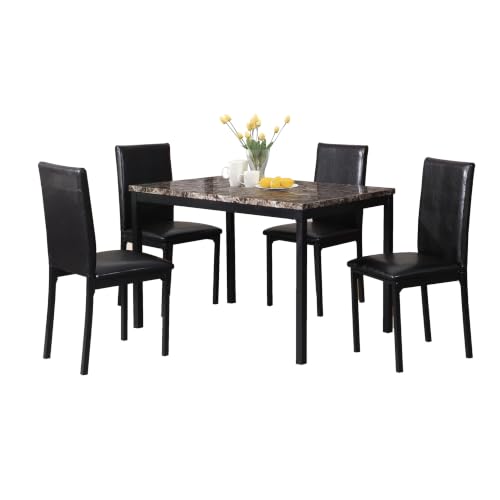
Begin by assessing the condition of each piece you intend to offload. Prioritize items that are in good shape and may appeal to potential buyers. Take clear photographs from multiple angles, ensuring details are visible.
Utilize online marketplaces. Platforms such as Craigslist and Facebook Marketplace allow for easy listing of goods, with filters to target local audiences. Ensure your descriptions are precise, highlighting dimensions, materials, and any noteworthy features.
Consider local community groups or apps centered around neighborhood sales. These platforms provide a direct means to connect with buyers in your area, streamlining the selling process. Additionally, organizing a garage sale can attract those in your vicinity who might appreciate valuable finds.


Finally, be ready to negotiate. Many buyers expect some haggling; establish your minimum price beforehand to avoid selling at a loss. Flexibility will help facilitate quicker transactions and reduce the burden of transporting unsold items to your new place.
Strategies to Liquidate Goods During Relocation
Post on local classified platforms like Craigslist or Facebook Marketplace with clear, high-quality photos and detailed descriptions. Set competitive prices based on similar items in your area to attract buyers quickly.
Timing Your Advertisements
List products at least a month in advance of your departure date. This gives potential buyers ample time to reach out and schedule viewings. Consider having sales over weekends when more people are available.
Engage with Buyers
- Respond promptly to inquiries.
- Be open to negotiation but set a minimum price to avoid undervaluing your items.
- Offer bundle deals for multiple pieces to encourage larger purchases.
Facilitate pick-up or delivery options to enhance convenience for interested parties. Having all items disassembled, if possible, can also make transport easier for buyers.
Assessing the Condition of Your Furniture
I begin by examining each piece meticulously, checking for any signs of wear and tear. Scratches, dents, or stains can significantly impact perceived value, so I take note of these details carefully.
Next, I assess the structural integrity. For instance, I check if chairs wobble, tables are stable, and drawers open smoothly. Any structural issues should be addressed or factored into the asking price.
Cleanliness is another important factor. I make sure to thoroughly clean all surfaces, as a well-maintained appearance increases appeal. I also evaluate upholstery for fraying or fading, as this can affect desirability.
Lastly, I consider the age and style. Vintage pieces may attract interest even if they show some wear, while mass-produced modern items might not be as forgiving in terms of condition. I research current market trends to gauge how desirability can fluctuate based on style preferences.
Choosing the Right Selling Platform
Prioritize local platforms first. Websites such as Craigslist or Facebook Marketplace attract nearby buyers, reducing transportation hassles. Each platform has unique features that can enhance visibility.
Online Marketplaces
- eBay: Excellent for reaching a broader audience. Consider auction-style listings for items that could fetch competitive prices.
- OfferUp: Focused on local sales with a user-friendly interface, making it easy to post and communicate with potential customers.
- Letgo: Similar to OfferUp, this app is tailored for quick transactions within your community, ideal for items that need a fast sale.
Specialized Platforms
- Chairish: Targets buyers looking for unique and stylish pieces. Better suited for higher-end or vintage items.
- Poshmark: While primarily a clothing platform, it has a home section that attracts buyers interested in home decor.
Always research each platform’s fees and policies. Some charge listing or commission fees, which can impact your profit. Engage actively with your listings: promptly respond to inquiries, provide detailed descriptions, and use appealing photos. This effort increases your chances of making successful transactions.
Creating Effective Listings and Descriptions
To attract potential buyers, I focus on clear, concise, and detailed listings. First, I take high-quality photos from various angles that highlight any unique features or details. Natural light works wonders, so I ensure my items are well-lit and staged appropriately.
Crafting Descriptions
Next, I write descriptions that are informative yet engaging. I include dimensions, material types, and any notable history or features of the piece. By addressing potential buyers’ questions upfront, I build trust. Here’s a quick checklist to structure the description:
| Element | Description |
|---|---|
| Title | Clear and specific (e.g., “Solid Oak Dining Table – Seats 6”) |
| Condition | Honest assessment (e.g., “Minor scratches, but well-maintained”) |
| Dimensions | Width, height, depth (e.g., “60 x 30 x 40 inches”) |
| Features | Any unique aspects (e.g., “Expandable, included leaf”) |
| Price | Research similar items to ensure competitiveness |
Using Keywords
I incorporate relevant keywords that buyers might use during their search. Specific phrases increase visibility, making it easier for interested parties to find my items. I balance technical terms with everyday language to connect with a broader audience.
By combining attractive visuals and informative content, I present my pieces in the best light, paving the way for a smooth transaction process.
Taking Quality Photos of Your Furniture
To make your items stand out, invest time in capturing high-quality images. Natural daylight is your best friend; take photos near a window for optimal lighting. Avoid using flash, as it can create harsh shadows and distort colors.
Showcase each piece from various angles. Include close-ups of unique features, such as fabric textures or intricate details, to give potential buyers a better perspective. A wide shot helps buyers gauge the item’s size relative to its surroundings.
Keep the background uncluttered. A simple, neutral setting ensures that attention remains on the item. If possible, stage the piece in a real-life setting, allowing viewers to visualize it in their own space.
Consider using props to enhance the appeal, but keep it minimal. Add simple decor items–like a plant or a decorative book–to provide context without overshadowing the main focus.
Ensure the items are clean and in good condition before photographing them. A quick polish or wipe down can significantly enhance their visual appeal.
Finally, use a decent camera or a smartphone with a good lens. Ensure the photos are sharp and well-composed. Editing tools can help adjust brightness and contrast, but avoid heavy filters that could misrepresent the actual appearance.
Setting a Competitive Price
I recommend researching similar items on various platforms to establish a baseline price. Pay attention to recent sales to gauge what buyers are willing to pay. Take into account the condition and age of each piece; newer and well-maintained items can command higher rates.
Consider the original cost and depreciation, typically furniture loses value over time, so adjust your expectations accordingly. For instance, a $500 sofa might be worth around $150 to $250, depending on its condition and market demand.
Factor in any unique attributes that could add value, such as handmade craftsmanship or designer labels. If applicable, highlight these traits in your listings to justify a higher price.
If flexibility is an option, set the initial price slightly higher to leave room for negotiation. It’s common for buyers to expect a lower price, so being open to offers can facilitate a quicker transaction.
Lastly, adjust prices according to the season or demand trends. Items like patio sets might sell better in spring and summer, while cozy furniture often attracts interest during colder months. Regular assessment and adjustment can keep your prices competitive.
Scheduling Viewings and Appointments
I prioritize flexibility in scheduling viewings to accommodate potential buyers. I offer various time slots, including evenings and weekends, to increase interest. When confirming appointments, I use clear communication to avoid misunderstandings. A friendly reminder a day before the meeting helps ensure attendance.
Setting the Scene
Before each viewing, I prepare the space by cleaning and decluttering to make the items more appealing. Dimming lights or rearranging nearby decor can enhance the experience. I aim to create a comfortable atmosphere that allows buyers to visualize the pieces in their own surroundings.
Engaging with Potential Buyers
During the appointment, I actively engage with visitors, highlighting unique features and answering questions. Being open to negotiation encourages a more dynamic conversation, making potential purchasers feel valued. After each appointment, I follow up to gauge interest and address any additional inquiries.
Handling Payment and Transaction Safely
Prioritize secure payment options. I focus on cash transactions for local sales due to their immediacy and absence of third-party involvement. If I choose online platforms, I prefer trusted services like PayPal or Venmo, which offer buyer protection and dispute resolution.
Use a safe meeting location. I arrange to meet potential buyers in public spaces, such as coffee shops or community centers, which provides safety for both parties. If the item is large, I consider inviting them to my home but insist on having another person present for added security.
Confirm Payment Before Delivery
I always wait for the payment to clear before handing over the item. For online transactions, I ensure that I receive a notification confirming the transfer before proceeding with the exchange. This step helps prevent scams or disputes later.
Keep Records of Transactions
I take screenshots of payment confirmations and interactions with buyers. This documentation serves as a reference in case of any issues or misunderstandings. Additionally, I maintain a record of item details, including photos and descriptions, to corroborate my claims if necessary.
Arranging for Pickup or Delivery Options
Plan pickup or delivery logistics in advance. I found that coordinating a preferred date and time with potential buyers streamlines transactions. Make sure to discuss transportation methods tailored to the item’s size and weight, as not all vehicles can accommodate larger pieces.
If the buyer cannot transport the item themselves, suggest local delivery services that specialize in moving large goods. Research pricing to provide buyers with reliable options. For an additional fee, I offered to assist with loading, which made it easier for everyone involved.
Consider providing measurements and weight estimates to help buyers make informed decisions about their transportation capabilities. For smaller items, arranging a meetup at a convenient location can simplify exchanges.
Before confirming any arrangements, clarify payment details and conditions to ensure a smooth handoff. By being upfront about logistics, I foster trust and open communication with buyers.


