Caleb Turner

For those pesky marks left by liquid on your cherished wood pieces, a simple blend of baking soda and water works wonders. Create a paste, gently rub it onto the affected area using a soft cloth, and watch the marks fade. This method is not only natural but also safe for your furniture.
As an alternative, consider utilizing mayonnaise or petroleum jelly. Apply a small amount directly on the mark, then let it sit for several hours or overnight. The oils in these products penetrate the wood, helping to restore its original luster.
If all else fails, a fine-grade steel wool can be an option. Lightly buff the blemish with the wool, but be cautious–always rub in the direction of the grain to avoid further damage. Follow this by applying a suitable wood conditioner to protect the surface and promote an even finish.


Regular maintenance, such as applying a quality furniture polish, not only enhances the appearance but also creates a protective barrier against future incidents. Utilizing coasters and placemats can further prevent unexpected mishaps with liquids, ensuring your beloved pieces remain pristine.
Removing Moisture Marks from Wooden Surfaces
I recommend using a simple mixture of baking soda and water. Mix a small amount of baking soda with water to form a paste. Apply this paste gently with a soft cloth, rubbing it in a circular motion over the affected area. This method helps to lift the discoloration without damaging the finish.
Another effective technique involves using a dry iron. Place a thin, clean cloth over the blemish, then gently press a warm iron on top for a few seconds. Make sure not to leave the iron in one spot for too long to avoid burning the surface. The heat helps lift moisture trapped in the wood fibers.
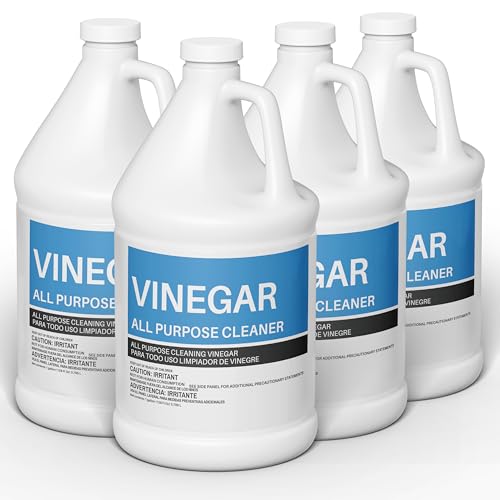
Olive oil and vinegar create a natural solution as well. Mix equal parts of both ingredients and apply it to the mark. Rub it in softly with a cloth, allowing the solution to penetrate deep into the wood. This not only helps decrease the mark but also nourishes the wood.
Lastly, toothpaste can serve as a gentle abrasive. Use a non-gel variety and a soft cloth to lightly scrub the blemish. Rinse the area with a damp cloth afterward, ensuring that no residue remains. This can refresh the finish and diminish the visibility of the imperfection.
Identifying the Type of Water Stain on Wood
The first step involves determining the kind of discoloration present. If it appears as a white or cloudy mark, it likely indicates moisture trapped within the finish. This scenario is common with hot beverages or steam from cookware.
A dark or brownish hue usually suggests that liquid has penetrated deeper, affecting the wood itself. This often occurs from prolonged exposure to spills or heavy condensation.
Sometimes, a yellowish or orange hue hints at oil or greasy residue mingled with moisture. Identifying this can lead to different approaches for treatment.
In situations where the finish is peeling or flaking, it’s essential to assess whether the protective layer has been compromised, which may require refinishing rather than just cleaning.
Always inspect the affected area under proper lighting to discern the precise nature of the blemish. This will aid in selecting the right method for rectification.
Basic Cleaning Techniques for Minor Water Stains
Using a soft cloth soaked in equal parts vinegar and olive oil provides an effective solution for light discoloration. Wipe in the direction of the grain for best results.
Alternative Methods
- Baking Soda Paste: Combine baking soda with water to create a paste. Apply gently to the affected area and wipe clean after a few minutes.
- Toothpaste Trick: Non-gel, non-whitening toothpaste can work wonders. Apply a small amount to a damp cloth and rub lightly.
- Mayonnaise Solution: A dab of mayonnaise on a soft cloth can help lift the mark; let it sit for 15 to 20 minutes before wiping off.
Prevention Tips
- Place coasters or mats under beverages to avoid moisture contact.
- Regularly polish to create a barrier against spills.
- Monitor humidity levels in your home to protect surfaces.
Using Household Items to Treat Stubborn Water Stains
For tough marks, I recommend a paste made from baking soda and water. Combine equal parts of both ingredients to create a thick mixture. Apply gently to the affected area using a soft cloth, then wipe off with a damp cloth after a few minutes.
Another effective approach involves using vinegar and olive oil. Mix one part vinegar with two parts olive oil. Dampen a cloth with the solution and rub it in circular motions over the blemish. This not only helps to diminish the mark but also conditions the surface.
Mayonnaise works surprisingly well for this issue. Apply a small amount directly onto the spot and leave it for several hours or overnight. The oils in mayonnaise can penetrate and lift the discoloration without damaging the finish.
| Item | Preparation | Application |
|---|---|---|
| Baking Soda | Mix equal parts baking soda and water | Apply with a soft cloth, then wipe off |
| Vinegar & Olive Oil | Combine one part vinegar with two parts olive oil | Rub in circular motions with a damp cloth |
| Mayonnaise | Apply a small amount directly | Leave for hours or overnight |
For persistent issues, I find using a commercial product designed for restoring surfaces can bring excellent results. Always test in an inconspicuous area first.
Applying Heat to Lift Water Stains from Wood
Utilizing heat serves as a practical method for addressing moisture marks. A common technique involves using an iron. Set the iron to a low heat setting without steam. Place a clean cotton cloth over the affected area, ensuring the fabric is dry.
Steps to Follow
Gently press the warm iron onto the cloth for about 10-15 seconds. Check the progress frequently to avoid damage to the finish. If necessary, repeat the process a few times. The warmth helps to evaporate the trapped moisture, potentially lifting the discoloration.
Alternative Methods
Employing a hairdryer can also produce similar results. Position the dryer on a medium setting, and maintain a distance of several inches from the surface. Keep the airflow moving to prevent overheating a specific spot, which can create further issues. This method is suitable for lighter marks, particularly those that haven’t penetrated deeply.
Always test any approach on an inconspicuous area before tackling visible spots. This precaution helps gauge the impact on the furniture’s finish. If the effort does not yield the desired results, consider further treatments or professional restoration services tailored for fine surfaces.
Using Commercial Products for Water Stain Removal
Several specialized solutions are available for tackling those unsightly marks on your polished surfaces. These products are often formulated to penetrate and lift the discoloration without damaging the underlying finish.
Top Picks for Treatments
- Stain Remover Wipes: Convenient and often pre-moistened, these wipes are designed for immediate application. They are effective for quick touch-ups.
- Liquid Solutions: Many brands offer liquid formulations that require a bit more effort, usually involving a cotton cloth for application. Follow the instructions carefully to avoid over-saturation.
- Spray Cleaners: These sprays allow for targeted application on affected areas. Hold the can at the recommended distance to ensure even coverage.
- Paste Compounds: Think of these as a more intensive treatment. Apply a thin layer, allow it to sit, then buff with a clean, dry cloth for a polished finish.
Application Tips
- Always test any product in an inconspicuous area first to confirm compatibility with your item’s finish.
- Follow manufacturer instructions regarding application and drying times to achieve optimal results.
- After treatment, consider applying a suitable wax or polish to rejuvenate the furniture’s appearance.
Choosing the right product can streamline your efforts and effectively restore that pristine look to your valued pieces. Keep your space looking its best with these targeted treatments.
Preventing Future Water Stains on Wooden Furniture
Apply a protective finish to surfaces, such as polyurethane or varnish, which creates a barrier against moisture. Regular maintenance of this layer is crucial to ensure ongoing protection.
Coasters and Placemats
Utilize coasters for beverages and placemats for food items to prevent direct contact with surfaces. Choose materials that absorb moisture effectively.
Humidity Control
Maintain consistent humidity levels in the environment. Utilize dehumidifiers or humidifiers depending on the climate to prevent excess moisture that could lead to damage.
Regularly check for spills and address them immediately. This proactive approach helps prevent long-lasting issues. Keeping furniture away from areas with high moisture exposure, like kitchens or bathrooms, also minimizes risk.
Ensure proper ventilation around furniture. Avoid overcrowding arrangements that trap moisture. Consider using protective waxes or oils periodically to enhance the barrier against liquid exposure.
Restoring Shine After Stain Removal
To restore the luster of your surface after tackling unsightly marks, begin with a simple mixture of equal parts vinegar and olive oil. Apply this solution using a soft cloth in circular motions, allowing it to penetrate the wood for approximately 10 minutes before buffing with a clean, dry cloth.
An alternative approach involves using a commercial wood polish specifically designed to rejuvenate dulled surfaces. Choose a product with natural ingredients for best results, and follow the manufacturer’s instructions closely.
For an effective DIY solution, mix beeswax with linseed oil. Heat the mixture gently until the beeswax melts, then apply it to the surface with a soft cloth. Allow it to dry for a short period before buffing it to enhance the shine and protect the wood.
Regular maintenance plays a crucial role in sustaining the shine. Incorporate a routine of dusting with a microfiber cloth and applying a polish every few months to prevent buildup and maintain the natural beauty of the wood.
| Method | Materials Needed | Steps |
|---|---|---|
| Vinegar and Olive Oil | Vinegar, Olive Oil, Soft Cloth | Mix, apply, allow to penetrate, buff |
| Commercial Wood Polish | Wood Polish, Soft Cloth | Apply according to instructions, buff |
| Beeswax and Linseed Oil | Beeswax, Linseed Oil, Soft Cloth | Heat, apply, allow to dry, buff |
Always test any solution on a small, inconspicuous area before applying it to the entire surface to ensure compatibility with the wood finish. This precaution helps avoid potential damage and guarantees optimal results.