
 Caleb Turner
I recommend utilizing specialized scratch deterrents that create a barrier between your pet and surfaces. Adhesive strips or double-sided tape work remarkably well, as cats often dislike the texture on their paws.
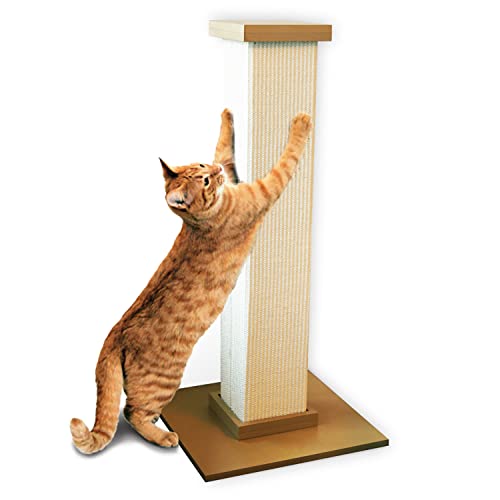
Incorporate vertical scratching posts made from materials like sisal or cardboard, placed strategically around your living space. This encourages your feline to scratch these designated areas instead of your cherished items.


Regularly trimming your pet’s claws can significantly reduce the damage caused. Invest in a quality claw clipper designed specifically for this task, making it a straightforward routine for maintaining their nails.
Utilizing fabric guards or protective slipcovers offers an additional layer of defense. Opt for robust textiles that can withstand wear and are easy to clean if scratches do occur.
Consider pheromone diffusers to create a calm environment. Anxious cats are more prone to destructive behavior, and managing their stress can lead to more desirable habits regarding scratching.
Prevent Damage to Your Belongings
Opt for protective covers or slipcovers designed for specific items. A tight-fitting cover acts as a barrier against unwanted marks, allowing easy cleaning and maintenance.
Alternative Surfaces and Deterrents
Consider placing textured mats in areas where your pet tends to play. This can redirect their attention from valuable pieces. Alternatively, apply double-sided tape on spots that attract their focus; the sticky sensation often discourages further engagement.
Engagement Through Play
Invest in a variety of interactive toys and vertical play structures. Keeping your feline engaged with stimulating activities minimizes their desire to ruin your possessions.
| Method | Description | Effectiveness Level |
|---|---|---|
| Protective Covers | Custom slipcovers for furniture | High |
| Textured Mats | Redirect attention to different surfaces | Moderate |
| Double-Sided Tape | Unpleasant texture deters scratching | Moderate to High |
| Interactive Toys | Engages and entertains your pet | High |
Understanding Cat Scratching Behavior
Recognizing the reasons behind clawing can help in addressing this concern effectively. Cats engage in this activity primarily for two reasons: to maintain their claws and to stretch their muscles. Providing appropriate alternatives can meet these natural instincts while minimizing damage to belongings.
Claw Maintenance
The act of sharpening claws removes the old outer sheath, ensuring they remain capable of efficient defense and hunting. Regular claw care inside the house is crucial for their health. Incorporating scratching posts made from sisal or cardboard gives them a physical outlet for this need.
Stretching and Marking Territory
Stretching is another key reason for this behavior. Cats stretch by climbing or scratching on surfaces, claiming their territory. Using vertical scratching surfaces allows them to fulfill this instinct while keeping your belongings safe. Position these surfaces near favored resting areas to encourage usage.
Choosing Scratch-Resistant Furniture Materials
Opt for upholstery made of synthetic fibers such as microfibre, which resists damage better than natural fabrics. This option is less prone to tearing and easier to clean.
Consider leather alternatives, including bonded leather or high-quality vinyl, which offer durability while providing a stylish finish. Cat claws are less likely to penetrate these surfaces.
Hardwood is an excellent option for surfaces requiring resilience. Species like oak and maple offer a harder surface, resisting marks and scratches more effectively than softer woods.
For tabletops and surfaces, look for materials such as tempered glass or quartz that can withstand daily wear and tear. These materials maintain their appearance better and simplify maintenance.
Here are some more materials to evaluate:
- Metal–particularly stainless steel or aluminum–offers durability and scratch resistance for both frames and accents.
- High-pressure laminate provides a versatile surface option that can mimic wood or stone without the risk of scratches.
- Polypropylene is a plastic choice that typically offers high resistance to scratches and stains, with easy cleaning benefits.
Fabric Treatments
Look for treated fabrics that offer additional protection against wear. Many manufacturers now provide options with built-in stain and scratch resistance.
Custom Solutions
If selecting custom items, discuss specific needs with your manufacturer. Materials can often be adapted for increased resilience based on your requirements.
Utilizing Scratch Guards and Covers
One practical solution involves applying protective films specifically designed for surfaces. These scratch guards create a barrier, preventing damage while maintaining aesthetics. Transparent adhesive films are ideal as they blend smoothly, offering protection without altering the look of my pieces.
Another option is using slipcovers or breathable fabric protectors. These stretchable materials can cover upholstered goods, allowing easy removal for washing. Selecting covers that fit snugly can also deter any attempts at clawing. I prefer ones made of durable fabrics like canvas or microfiber.
For wood options, consider applying a coating of polyurethane or specialized sealants. These products will fortify the surface, making it harder for claws to leave marks. Regular maintenance of these coatings protects the investment in my décor.
In line with utilizing protective items, double-sided tape can be placed on areas prone to attacks. Cats tend to dislike the sticky sensation, serving as an immediate deterrent. I strategically apply this around edges of tables or on corners of armchairs.
Finally, the use of scratching posts placed strategically nearby encourages my feline companion to use them instead of my cherished pieces. Choosing posts that are tall and stable, covered with materials like sisal or carpet, has shown results in redirecting their attention.
Setting Up Designated Scratching Areas
Establish specific zones that encourage your feline to use for claw maintenance. Position scratching posts or pads in areas where your pet typically claws or relaxes. Opt for a variety of materials such as sisal or cardboard, appealing to different preferences. Experiment with vertical and horizontal surfaces to discover what your companion prefers.
Placement Strategy
Place these designated areas close to the furniture your pet seems to favor. If they tend to scratch a couch, position a post nearby to redirect their attention. If feasible, add enticing toys or catnip around the designated spots. This attraction can assist in guiding behavior towards the appropriate areas.
Encouraging Usage
Make use of treats or praise immediately after your pet engages with these zones. Reinforcing positive behavior helps establish a habit over time. Consider covering these spots temporarily with materials that deter clawing, ensuring your pet gradually associates their designated areas with acceptable scratching behavior.
Using Catnip and Attractants on Scratching Posts
Sprinkling catnip directly on scratching posts significantly enhances their appeal. I have observed that many felines are more inclined to use these designated areas after a liberal application of this herb. Not all cats respond to catnip, so I also have some alternatives that can work well.
Cat attractant sprays are excellent options. These products, often infused with natural pheromones or plant extracts, entice cats even if they aren’t sensitive to catnip. I recommend testing a few to find one that draws my pet’s interest most effectively.
Moreover, placing these enticing materials near existing posts acts as a magnet. I position the posts in areas where my cat already likes to scratch. Associating the scratching post with positive experiences, such as playtime or treats, further reinforces this behavior.
Regularly refreshing the catnip or attractant scent keeps the scratching posts interesting. I also rotate different types of scratching surfaces, such as carpet, sisal, or cardboard, ensuring that my cat remains engaged and chooses the appropriate spot for scratching rather than targeting furniture.
Ultimately, creating an inviting and rewarding environment for my feline companion encourages the use of scratching posts rather than my furniture. This strategy not only preserves my belongings but also promotes my pet’s natural behaviors.
Regular Nail Trimming and Maintenance
Keeping my feline’s claws trimmed is a key tactic. I schedule trimming every 2-3 weeks. This prevents overgrowth and reduces the potential for damage to surfaces. It’s advisable to use quality nail clippers designed for pets to ensure a clean cut.
Techniques and Tools
I find it helpful to start by gently exposing my pet’s paws to familiarize them with the process. Gradually, I trim the sharp ends of the claws, avoiding the quick, which is painful and can cause bleeding. If needed, I enlist the help of a buddy or a veterinarian to make this easier and safer.
Aftercare and Comfort
After every session, I reward my companion with treats or extra playtime, reinforcing positive associations with nail maintenance. Keeping this routine consistent helps reduce stress for both of us.
Training Your Cat to Avoid Furniture
Positive reinforcement techniques work best for guiding my feline away from unwanted surfaces. I consistently reward desired behavior with treats or praise, encouraging my pet to engage with scratching posts instead.
Create a Routine
Consistency is key. I establish a regular schedule for playtime and training sessions. During these periods, I direct my cat’s attention to appropriate outlets. Offering a scratching post right after a meal or nap can help reinforce this new behavior.
Redirecting Attention
When I catch my pet in action on the furniture, I use a firm but gentle voice to redirect them. It’s important to immediately move them to their designated area. I avoid yelling; instead, I focus on swiftly guiding them to where they are permitted to scratch.
- Use interactive toys to engage them and divert their attention.
- Introduce new scratching posts periodically to maintain interest.
- Rotate their toys to keep playtime fresh and stimulating.
Incorporating these methods can create a more harmonious environment for both of us, ensuring my home remains intact while my companion gets the stimulation they need. Patience and persistence will yield positive results over time.
Exploring Alternative Solutions Like Deterrents
I find that applying deterrents effectively can significantly reduce undesired behavior. One approach involves using scents that cats typically dislike. Citrus fragrances, for instance, are often unappealing to felines. Spraying a mild citrus-based solution around areas I want them to avoid has proven helpful.
Another method is the implementation of physical barriers. Products like double-sided tape or specialized mats with textures can discourage claws from engaging with surfaces I want to protect. The uncomfortable feeling of sticking or roughness may cause them to reassess their choices.
Additionally, ultrasonic devices emit high-frequency sounds that are included only in cats’ range. When they approach specific areas, an unpleasant sound activates, prompting them to steer clear. This non-intrusive approach respects their space while maintaining my environment’s integrity.
<p.Alongside these tactics, providing interactive toys facilitates mental stimulation and redirects their energy. Engaging with a variety of toys, such as feather wands or laser pointers, draws their focus away from areas I'd like to safeguard.
Lastly, I’ve discovered that being consistent with any deterrent is essential. The more reliable the deterrents, the better they understand which places are off-limits. Attention to their reactions and adapting the methods as needed keeps my approach fresh and effective.


