
 Caleb Turner

Begin with the height measurement, which is crucial for ensuring that items fit well within a designated space. This often influences the usability and overall comfort of the piece, particularly for seating solutions.
Next, focus on the width. This dimension typically dictates how the item interacts with other furnishings in the room. It’s important to keep in mind the layout of the area to avoid overwhelming the space or creating accessibility issues.


Finally, consider the depth. This measurement can significantly affect the functionality of the piece–especially with items like desks or sofas where depth correlates with comfort and practicality. By understanding these specific criteria, one can make informed decisions that complement both aesthetic and functional aspects of interior spaces.
Understanding Standard Measurement Units for Furniture
Given my experience, I recommend using inches or centimeters as the primary units for assessing the size of various pieces. Commonly, furniture dimensions reveal width, depth, and height in that order, but knowing the units is equally significant.
In the United States, inches are the norm. Most furniture items are specified in inches, making it simple to measure and compare. For instance, a couch might be listed as 84” W x 36” D x 30” H. ensuring clarity and ease in selection.
Outside the US, centimeters are prevalent, especially in Europe. A typical listing in centimeters might be 213 cm W x 91 cm D x 76 cm H. It’s crucial to adapt measurements based on your region to avoid any confusion.
| Region | Measurement Unit |
|---|---|
| United States | Inches |
| Europe | Centimeters |
| United Kingdom | Inches (often used), some centimeters |
When analyzing size, always use a tape measure to confirm space availability and ensure compatibility with existing decor. Taking into account conversion factors can be beneficial. A quick method is to remember that 1 inch is approximately 2.54 centimeters.
Additionally, it’s useful to keep in mind that standard furniture dimensions tend to correspond to common room sizes, enhancing practicality and suitability. Moreover, certain pieces like sofas or beds are often measured in relation to other elements, making context important for accurate assessment.
In summary, understanding the measurement units used in furniture listings aids significantly in selecting the right piece for your needs and space. Always pay attention to both the units being used and the specific measurements provided.
Importance of Width, Depth, and Height in Furniture Measurements
Understanding width, depth, and height is critical for achieving optimal functionality and aesthetic appeal in any living space. These measurements dictate how well a piece integrates with its surroundings and affects both usability and comfort.
Width Considerations
Width affects the flow of movement in a room. It determines how much space is available for furniture placement and the clearance required for individuals to navigate comfortably. A narrow sofa can fit in tighter spaces but may not provide the desired seating capacity, while a broader unit can offer more seating but might overwhelm a small area. I pay special attention to width calculations during layout planning.
Depth and Height Significance
Depth influences how users interact with a piece. For example, a deeper chair or sofa adds comfort but can consume valuable floor space. Height plays a similar role, especially in relation to other furniture elements. I consider the proportions carefully; excessively tall shelves may overshadow lower furniture pieces, disrupting visual harmony. Balancing these aspects ensures that items not only function well but also enhance the overall design.
Accurate Measurement Techniques for Furniture
Use a flexible measuring tape to obtain precise figures. Hold the tape firmly at one endpoint while extending it to the opposite end, ensuring the tape is level. Avoid measuring diagonally, as this can result in inaccuracies.
For length and width, measure at the largest points to account for any curves or protrusions. When dealing with items that have irregular shapes, consider taking multiple measurements and averaging them for consistency.
Height should be measured from the floor to the highest point of the piece. If the item has components that can be detached or added, measure both with and without those items.
Record measurements immediately after each session to prevent confusion later. Use clear notations to differentiate between length, width, and height, as well as units of measurement, such as inches or centimeters.
When assessing seating or surfaces, sit on or place items on the furniture for added context in measurements. This ensures that usable space is taken into account, especially for chairs and tables.
Always double-check figures to confirm accuracy. A second person can assist in holding the tape and verifying numbers, which reduces potential errors.
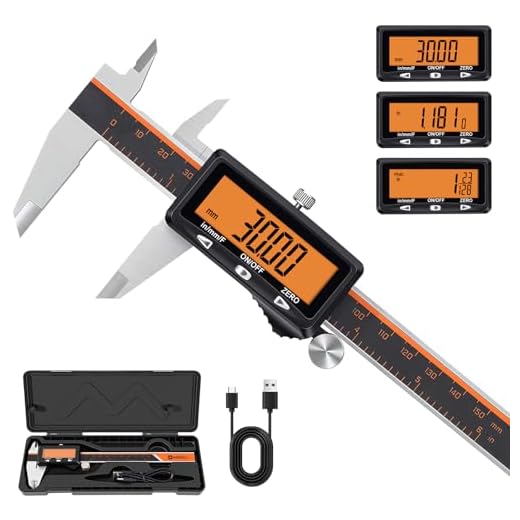
If possible, use a digital caliper for parts that require extreme precision, such as drawer depths or cabinet openings. Employing this tool ensures exact figures that tape measures may not provide.
Consider the environment and existing structures when measuring. Close proximity to walls or other furnishings can impact usable space, so measurements should reflect real-life placements rather than just theoretical dimensions.
Practice measuring a few items to improve my technique. This repetition builds confidence and leads to better accuracy over time.
Common Furniture Dimension Formats and Their Meanings
Consistent formats enhance clarity when evaluating sizes. Typically, I encounter three common styles: width x depth x height, width x height x depth, and height x width x depth.
The first format, width x depth x height, is predominant for tables and chairs. This arrangement prioritizes the horizontal space before addressing the vertical measurement. Essentially, it informs about how much room an item will occupy and how tall it stands.
In the second format, width x height x depth, often used for cabinets and bookcases, height takes precedence, enabling more straightforward placement against walls. Providing height early helps visualize its interaction with other elements, like light fixtures.
The third type, height x width x depth, is less common but may appear for specific pieces like shelving that are mounted to walls. It reverses the order, emphasizing the vertical dimension first, crucial for fitting into particular spaces.
Understanding these formats allows me to make informed decisions. These structures not only reflect physical space but also influence the overall aesthetic and functionality of interiors.
Interpreting Dimension Listings for Different Types of Furniture
When examining specifications of seating, tables, or storage items, clarity is key. Each category has its nuances in presenting metrics. Here’s how to efficiently interpret these listings.
Seating Items
- Width: Refers to the space from one armrest or side to the other. It’s crucial for accommodating movement around the piece.
- Depth: Indicates how far back the seat extends. This affects comfort significantly, especially for sofas and chairs.
- Height: Normally measured from the floor to the top of the seat or backrest, determining ease of entry and exit.
Tables and Desks
- Length: The maximum measurement from one side to the other, critical for fit in dining or office spaces.
- Width: Essential for determining how many seats can be comfortably arranged.
- Height: Important for compatibility with chairs and overall functionality.
Knowing how to interpret these figures enables informed purchasing decisions. Always cross-reference with the intended space dimensions to avoid mismatches.
Choosing the Right Furniture Based on Dimensional Listings
Focus on functionality and spatial compatibility when selecting pieces. Begin measurement assessments with the intended area, considering layout and flow.
Key Steps in Selection
- Assess available space: Measure length and width of the area. Subtract any permanent fixtures like radiators or columns from usable measurements.
- Account for traffic: Ensure there is adequate room for movement, typically 24-36 inches for pathways.
- Consider scale: Match furniture size to room proportions. Large rooms can accommodate bigger pieces, while smaller setups require more compact options.
Specific Recommendations
- Living Spaces: Aim for pieces that balance functionality with comfort. A sofa ideally fits within one-third of the room’s length.
- Dining Areas: Choose tables that allow at least 36 inches of clearance for chairs.
- Bedroom Furnishings: Ensure bedside tables are slightly lower than the mattress top for easy access.
- Office Setup: Desks should allow 30 inches in height for comfortable seating.
Reviewing multiple listings and comparing measurements can clarify options and prevent mismatches. Prioritize your needs based on how you intend to use each piece.
Tips for Communicating Measurements When Buying or Selling Furniture
Provide exact figures instead of estimates. Mention width, depth, and height clearly. For example, state “The sofa is 80 inches wide, 35 inches deep, and 30 inches high.” This clarity helps avoid misunderstandings.
Utilize consistent units throughout your descriptions. If using inches, don’t switch to centimeters mid-description. This consistency ensures potential buyers or sellers easily grasp the sizes involved.
Illustrate with visuals when possible. Include images of the room or area where the piece will go, along with dimensional annotations. This visual aid assists in contextualizing the proportions.
Highlight space requirements. If a chair needs 20 inches between it and another piece for comfort, make that clear in your communication. Buyers appreciate knowing how to arrange items in their spaces.
Address weight alongside sizes for larger items. For instance, stating a dining table weighs 150 pounds helps buyers plan for transport and setup. This detail is critical for practical considerations.
Be transparent about adjustments in measurements due to design elements. If the item has curves or a unique shape, explain how this impacts fitting into a space. Accurate descriptions here prevent potential issues during installation.
Encourage questions to clarify any uncertainties. Providing contact options for follow-up inquiries can enhance buyer confidence. Engaging with potential buyers shows commitment to transparency.
Incorporating personal testimonials can add value. A review stating “The coffee table fits perfectly between my couch and wall” establishes credibility and eases concerns about size compatibility.


