
 Caleb Turner

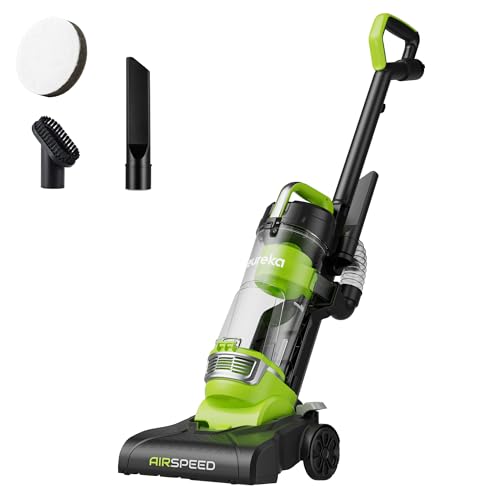
Vacuuming is the first step I take to address infestations on my seating and other textiles. I ensure I cover every crevice and seam, as these critters often hide in hard-to-reach places. A vacuum with a HEPA filter is preferable for capturing even the smallest pests and their debris.
I follow up by applying a specially formulated insecticide that targets these nuisances specifically. Selecting a product that is safe for indoor use and approved for soft surfaces is crucial. Always read the label for instructions; applying too much can be counterproductive.
Steam cleaning offers an additional method I employ to eradicate any remaining eggs or larvae. The high temperature of the steam penetrates the fibers, eliminating the life cycle stages of these pests. I treat cushions and any removable fabric coverings thoroughly.

Finally, I regularly launder items that are machine washable in hot water, including blankets and slipcovers. This routine not only helps in the immediate fight but also prevents future infestations from taking hold.
Eliminate Pests from Your Upholstery
Apply a high-quality insecticidal spray specifically designed for indoor use, ensuring it’s safe for fabrics. Focus on seams and hidden areas where these creatures may reside. Allow the treatment to dry completely before resuming regular use of the item.
Utilize Natural Remedies
For a chemical-free approach, mix water with vinegar in equal parts and spray it onto affected areas. This solution disrupts the life cycle of the unwanted insects. Additionally, using diatomaceous earth around the edges of your seating can create a barrier against future infestations.
Consider Professional Services
If the problem persists, hiring a pest control expert might be necessary. They possess tools and products not available to the public, ensuring thorough treatment of every corner of your space.
Identifying Flea Infestations on Furniture
Begin with a thorough examination of all surfaces. Check cushions, seams, and crevices for small, dark spots–these are signs of these unwanted pests. Look for tiny white eggs or larvae, often nestled in fabric weaves.
- Inspect pet bedding and nearby areas, as they are common hotspots.
- Use a flashlight to illuminate dark areas where eggs may hide.
Observe signs of biting in humans or pets, like red bumps on the skin. This can indicate that the infestation is active.
- Conduct a gentle vacuuming of upholstery and corners, capturing any hidden insects or eggs.
- After vacuuming, seal and dispose of the vacuum bag immediately to prevent re-infestation.
Utilize a white sheet or paper underneath furniture legs. After a few hours, check for any dark specks that may fall, indicating the presence of these insects.
Regular inspections will help in early detection, allowing for quick action to be taken. Combine these methods for a comprehensive assessment of the situation.
Preparing Your Furniture for Treatment
Begin by thoroughly cleaning all surfaces. Vacuum upholstery, cushions, and any crevices where pests may hide. This action removes not only the insects but also their eggs, leading to a more successful eradication process.
After vacuuming, dispose of the vacuum bag or contents immediately in a sealed plastic bag to prevent reinfestation. Consider placing your vacuum cleaner in a location away from treated areas until the entire process is complete.
Next, wash any removable fabric items, such as cushion covers or throws, in hot water. High temperatures effectively eliminate tiny invaders and their eggs. Dry on a high heat setting to ensure thorough sanitization.
Clear the area of clutter, including magazines, toys, and other items. Reducing obstacles creates better access for treatment and allows for a more comprehensive approach in eradicating any residual population.
For wooden or hard surfaces, disassemble movable components if possible. This enables a more precise treatment application. Pay close attention to joints and any hardware that might harbor unwanted guests.
Once preparation is complete, ensure pets are kept away from treated areas for a recommended period. This precaution protects their health and ensures maximum effectiveness of the chosen treatments.
Choosing the Right Flea Killers for Upholstery
For effective eradication of unwanted pests on my soft furnishings, I prioritize products that specifically target these intruders without damaging the fabric. Insecticidal sprays with a fast-acting formula prove to be beneficial, particularly those containing ingredients like permethrin or pyrethrin. I always check the label to ensure compatibility with the material of my upholstery.
Natural Alternatives
In addition to chemical options, I often consider natural remedies. Diatomaceous earth is a favorite; I sprinkle it on the affected areas, as it dehydrates and eliminates any present invaders. I allow it to sit for a couple of hours before vacuuming thoroughly to remove the residue and any trapped pests.
Long-term Solutions
For long-lasting protection, I choose flea growth inhibitors. These products, often found in sprays or powders, disrupt the life cycle of these nuisances, preventing future infestations. I appreciate those that are safe for use around pets and children, enabling a worry-free environment after application.
Vacuuming Techniques to Remove Fleas
To effectively eliminate those undesirable pests from your upholstery, thorough vacuuming is a must. Here’s how I tackle this task:
- Use a High-Quality Vacuum: Opt for a vacuum with strong suction and a HEPA filter to trap particles and allergens.
- Focus on Key Areas: Pay special attention to seams, corners, and under cushions where these critters like to hide.
- Vacuum Regularly: Set a schedule for vacuuming at least twice a week until you’re confident the population is eradicated.
- Employ the Right Attachments: Use upholstery and crevice tools for more precise cleaning of tight spaces and fabric surfaces.
- Dispose of Vacuum Bags Properly: Immediately seal and discard vacuum bags or contents in an outdoor trash bin to prevent re-infestation.
Additionally, vacuum both the surrounding areas and any pet bedding regularly to prevent a resurgence of these nuisances. Following these techniques enhances the overall efficiency of your treatment efforts.
Natural Remedies for Flea Control on Upholstery
Using diatomaceous earth has proven helpful. Sprinkle a thin layer on affected areas, leave it for 24 hours, then vacuum thoroughly. This natural powder dehydrates and eliminates unwanted pests without harmful chemicals.
Essential oils offer a fragrant solution. Mixing a few drops of oils like lavender, cedarwood, or peppermint with water in a spray bottle can create an effective repellent. Spray lightly onto the fabric surfaces of your chairs and sofas, ensuring not to oversaturate them.
Soap and Water Solution
A simple soap and water mixture can be quite useful. Combine equal parts of mild dish soap and water in a spray bottle. Spray the solution onto the upholstery and wipe with a clean cloth. This approach targets any insects directly and disrupts their lifecycle.
Natural Traps
Setup a bowl of soapy water near your upholstered items. Place it under a light source at night. The attraction to light will lead them into the trap, while the soap prevents escape. This method can reduce numbers effectively over time.
| Natural Remedy | Application Method | Effectiveness |
|---|---|---|
| Diatomaceous Earth | Sprinkle, leave for 24 hours, then vacuum | High |
| Essential Oils | Mix with water and spray on surfaces | Moderate |
| Soap and Water | Spray and wipe with a cloth | Moderate |
| Soapy Water Trap | Set bowl under light at night | Moderate |
Maintaining a Flea-Free Environment After Treatment
Regular vacuuming is crucial. I vacuum all surfaces thoroughly, including under cushions and in crevices. I make sure to empty the vacuum immediately after use to prevent any remaining pests from reinfesting the area.
Wash linens, pet bedding, and any removable fabric covers weekly in hot water. This disrupts the life cycle of any lingering pests. I also dry them on high heat to eliminate eggs and larvae.
Utilize slipcovers on couches and chairs. These can be easily washed and are an added barrier against infestations. I also consider keeping pets on specific pieces of furniture to limit exposure.
Regular Maintenance Tasks
I maintain a consistent cleaning routine. This includes treating entry points like doors and windows with appropriate sprays or powders to deter new invaders. Additionally, I inspect pets regularly for any signs of pests and use preventive treatments as recommended by a veterinarian.
Creating a Less Inviting Space
I minimize clutter where pests can hide. Keeping areas decluttered and organized discourages population growth. I also ensure that the yard is well-kept, trimming bushes and grass to reduce outdoor habitats.


