
 Caleb Turner

I recommend considering several factors that contribute to the low pricing of home décor items in various stores. One major aspect is the direct sourcing model many of these retailers utilize, cutting out unnecessary middlemen. By purchasing in bulk from manufacturers, they can offer lower prices without compromising on quality.
Another element influencing affordability is the streamlined operations in these establishments. Many of them focus on high volume sales, which allows for reduced overhead costs. This strategy ensures that savings are passed directly to consumers, making stylish selections accessible to a broader audience.
Additionally, these retailers often carry a wide variety of items that appeal to many tastes and preferences, creating a competitive marketplace. The consistent turnover in inventory means that pricing strategies are adjusted frequently, ensuring that customers can find deals on the latest trends without breaking the bank.
Affordable Pricing Structure
I discovered that this retailer maintains a low pricing model thanks to their direct relationships with manufacturers. By sourcing items straight from production lines, the markup is significantly reduced compared to traditional retail processes that involve middlemen.

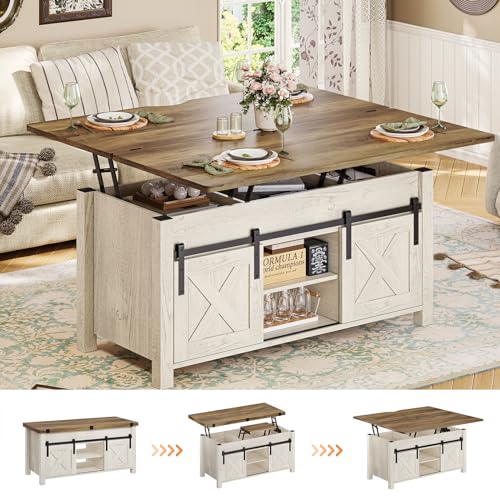

Additionally, large-scale operations lead to economies of scale. Bulk purchasing allows for negotiated rates that lower costs further. This means I can find quality pieces without the hefty price tag associated with smaller boutiques.
Sales events and promotions are a regular occurrence, with periodic discounts that make it even easier to acquire stylish selections at low prices. Their warehouses are designed to manage inventory efficiently, minimizing overhead while maximizing savings for consumers.
This approach not only reflects in affordability but also in the variety available. An extensive selection ensures that I can find designs that fit current trends without overspending.
The focus on value-driven offerings rather than high-end branding also plays a significant role. This strategy means that shoppers like myself can prioritize functionality and aesthetics without worrying about designer labels driving costs up.
Understanding American Furniture Warehouse’s Business Model
To comprehend the pricing strategies of this retailer, I focus on their direct procurement approach. They maintain relationships with manufacturers, enabling bulk purchases, which significantly reduces costs. This model circumvents intermediaries, translating savings directly to consumers.
Additionally, I notice their emphasis on a limited but strategically selected product range. This specificity ensures efficient inventory management and minimizes overstock, thus lessening the financial burden associated with unsold items.
I also observe a reliance on high-traffic locations and extensive online platforms. This dual-channel strategy increases visibility and accessibility. With significant foot traffic and a robust online presence, they maximize sales opportunities while keeping operational costs minimal.
Another key aspect is the focus on no-frills showrooms. These spaces prioritize functionality over elaborate presentations, reducing overhead and further contributing to lower prices. Transparency in pricing is evident, and I appreciate their clear communication regarding product features and limitations.
Finally, I recognize their marketing tactics, which often promote special discounts and promotions, creating a sense of urgency that drives sales without permanently lowering prices. This strategy keeps consumers engaged while maintaining a perception of value.
Bulk Purchasing and Supplier Relationships
Bulk acquisition plays a significant role in keeping operational costs low. By negotiating larger orders, significant price reductions occur, allowing a more competitive offering to customers. I focus on establishing long-term contracts with suppliers to ensure steady product availability at favorable prices. These relationships enable me to manage inventory efficiently, reducing holding costs.
Another advantage is the ability to pass savings on to consumers. I leverage volume discounts gained from suppliers, translating into lower retail prices. Furthermore, I maintain consistent communication with suppliers to capitalize on limited-time offers or clearance sales, which can lead to acquiring goods without excess expenditure.
Supplier relationships also facilitate flexible scheduling, allowing me to avoid stockouts during peak demand periods. This adaptability not only enhances customer satisfaction but also minimizes overstock situations, aligning perfectly with demand forecasting. By focusing on core suppliers who understand my business needs, I create a win-win situation, ensuring that I can offer unique selections at attractive prices.
Additionally, collaboration with manufacturers enhances my ability to influence product designs and specifications, ensuring I cater to the market’s demands effectively. Such partnerships allow me to introduce exclusive merchandise that aligns with consumer preferences while maintaining cost efficiency.
This robust procurement strategy is central to my ability to provide quality products at accessible prices while ensuring stable operations and satisfied customers.
The Role of In-House Manufacturing in Cost Reduction
In-house manufacturing significantly lowers expenses by cutting out middlemen. This approach minimizes costs associated with outsourcing production, allowing for more competitive pricing. By controlling the entire supply chain, companies can streamline operations, reduce waste, and maintain quality standards.
Ownership of factories enables quick adjustments to production levels based on demand fluctuations. This responsiveness is essential in a market where consumer preferences can shift rapidly. Additionally, direct control leads to optimizing material usage and labor costs, further enhancing profit margins.
| Benefits of In-House Manufacturing | Impact on Cost |
|---|---|
| Direct control over quality | Reduces returns and increases customer satisfaction |
| Rapid production adjustments | Minimizes inventory holding costs |
| Lower logistics costs | Decreases shipping and handling fees |
| Labor cost management | Enables better wage practices and workforce optimization |
Investing in modern machinery enhances production efficiency, and automated processes reduce labor expenses. Thus, the integration of technology within manufacturing plants further amplifies cost-saving benefits.
Ultimately, in-house production not only allows businesses to capture more value but also reinforces brand integrity, leading to sustainable pricing strategies that benefit consumers without sacrificing quality.
Location and Distribution Strategies for Savings
I’ve observed that strategic positioning of stores and efficient distribution networks play a crucial role in minimizing expenses. Companies often select locations based on factors that reduce overhead costs, such as leasing rights, local taxes, and accessibility. By opting for areas with lower rental prices, businesses can pass the savings on to customers.
Centralized Distribution Centers
A centralized distribution point can significantly lower logistics and transportation costs. Here’s how:
- By consolidating inventory in a single location, transportation routes become more efficient, reducing delivery times and fuel costs.
- This model minimizes the number of warehouses needed, lowering maintenance and staffing expenses.
- It ensures better control over inventory management, leading to reduced excess stock and waste.
Local Sourcing
Proximity to suppliers can yield substantial savings. I’ve noticed that local sourcing reduces shipping costs and supports quicker turnaround times. This approach also allows flexibility in adjusting inventory based on demand fluctuations. Key benefits include:
- Decreased transportation expenses from shorter distances.
- Enhanced collaboration with local manufacturers, leading to improved product quality.
In summary, leveraging strategic locations and smart distribution practices directly impacts operational costs, allowing retailers to offer more attractive pricing to their customers.
Sales Promotions and Pricing Strategies Explained
Implement tiered pricing models, allowing for different levels of discounts based on purchase volume. This encourages larger purchases while still providing value to budget-conscious customers.
Leverage seasonal sales events and holidays to create urgency. Limited-time offers can drive traffic, allowing customers to perceive savings during specific periods.
Utilize promotional bundles where related items are sold at a discount when purchased together. This strategy not only increases average order value but also enhances customer satisfaction through perceived value.
Regularly adjusting prices based on market demand and competitor pricing can help maintain an attractive price point. Utilize data analytics to track customer behavior and adjust promotions accordingly.
Introducing loyalty programs rewards repeat customers, fostering long-term relationships. Such initiatives enhance brand loyalty and drive future sales through discounts or exclusive offers available only to members.
Promotional advertising on social media platforms can effectively reach a targeted audience, creating buzz around sales events. Engage influencers to boost visibility and credibility.
Adopt a transparent pricing approach by clearly communicating savings through promotional signage in-store or digital platforms, ensuring customers recognize the value of their purchases.
Test different promotional strategies in various demographics to identify the most effective tactics. A/B testing can provide insight into what resonates best with your target audience.
Employ limited-stock promotions to create a sense of scarcity. Customers may be more inclined to purchase when they believe an item may sell out quickly.
Impact of Minimalistic Store Designs on Prices
Adopting a minimalistic store design directly contributes to lower operating expenses, which can translate into reduced selling prices for customers. Streamlined aesthetics require fewer materials and decorations, leading to cost-saving implementations in both interior design and maintenance.
By eliminating excess elements, businesses focus on essential displays and layouts, which minimizes labor costs associated with upkeep. This straightforward approach allows for greater efficiency in managing space, meaning the inventory can be showcased without the distraction of unnecessary decor, thus enhancing customer experience.
Additionally, minimalistic designs often utilize lighting and layout that emphasizes product features. This efficient use of resources reduces energy costs, allowing for operational savings that can be passed on to consumers. Fewer fixtures and an overall simpler environment require less investment, supporting competitive pricing strategies.
Another consideration is the psychological effect on consumers; a clean and uncluttered shopping environment fosters a sense of calm and order. This can lead to quicker purchasing decisions, ultimately increasing turnover rates. Higher sales volumes enable the establishment to maintain lower markup percentages on items.
Overall, an emphasis on simplicity in store design allows for effective cost management while enhancing customer satisfaction, directly impacting pricing strategies. This balance between aesthetics and functionality is crucial in achieving sustainable affordability in a competitive market.
Comparing Quality Across Budget Furniture Retailers
In my experience, assessing the quality of items from various budget retailers reveals key differences in materials and construction techniques. I often find that while some brands prioritize affordability, they compromise on durability and craftsmanship, which can affect long-term satisfaction.
When I examine the offerings of lower-cost manufacturers, I pay close attention to the types of wood or composites used. For instance, particle board is common among budget collections, while others might incorporate solid wood elements even at a lower price point, significantly affecting lifespan and sturdiness.
Joint construction methods also vary widely. Many economic options utilize modern techniques like cam locks, but higher-end budget lines might still offer doweled or mortise-and-tenon joints. Understanding these distinctions helps me make more informed decisions when I browse.
Additionally, upholstery materials are a crucial factor. I’ve noticed that basic synthetic fabrics are prevalent in economical ranges, but if I scout carefully, I can sometimes find retailers that offer better quality materials like cotton-blends that provide greater comfort and wear resistance.
A visual inspection is helpful; I look for any inconsistencies in seams or finishes. Pay attention to stability during a physical test–sitting or leaning can reveal much about a product’s integrity. Comparing customer reviews often sheds light on the real-world performance of these pieces over time.
Identifying these aspects when shopping not only clarifies where savings might come from but also helps anticipate my future needs and potential costs associated with replacements or repairs. In this delicate balance of cost and quality, my focus remains on durability combined with aesthetics to ensure I make wise purchasing choices.


