Caleb Turner

Consider reaching out to local shelters and organizations that assist families in need. Many of these places welcome gently used pieces that can greatly improve the living conditions of individuals facing hardships. For example, homeless shelters or transitional housing programs often have specific requirements and need a wide range of household goods.
Charitable institutions like Goodwill and The Salvation Army accept various items and sell them in thrift stores, with proceeds supporting their community programs. Donation centers are strategically located across towns and cities, making them easily accessible for those wanting to contribute. You can usually find a drop-off location nearby.
If you’re looking to support specific groups, consider contacting women’s shelters or organizations dedicated to helping veterans. These groups may have a direct demand for particular household items, such as beds, tables, and appliances. Reaching out can provide tailored guidance on what is most needed and how you can make the most impact.
Think about schools or churches in your area, too. They often run programs or community services that can utilize assorted home goods in their outreach efforts. Whether it’s providing resources for families in low-income areas or facilitating community events, your contributions could play a crucial role.

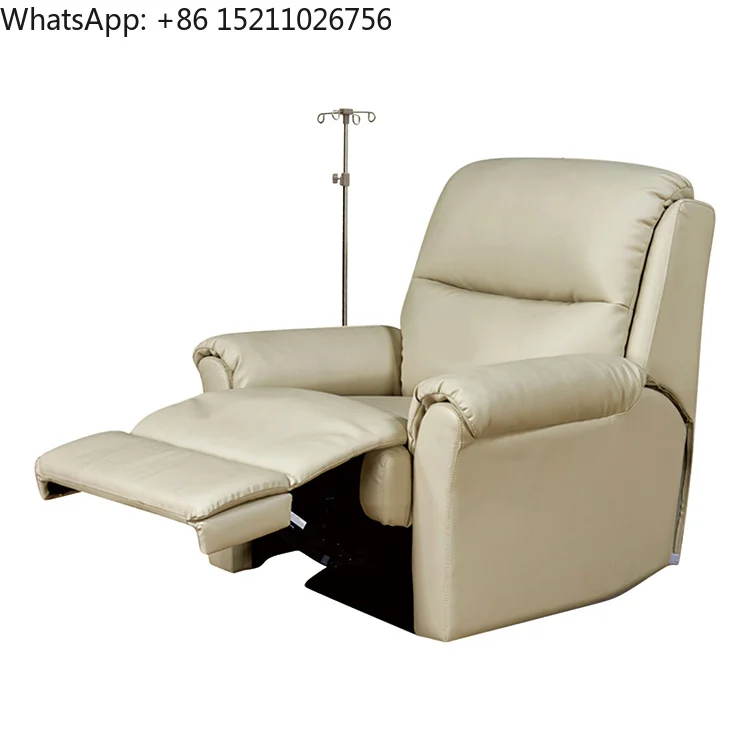
Local Charities that Accept Furniture Contributions
Salvation Army stands out as a prominent organization that picks up gently used household items directly from your doorstep, making the process convenient. They support individuals in need and provide local assistance programs.
Community Organizations
- Goodwill Industries: Known for their wide reach, they also offer pick-up services. Contributions are resold in local stores, with proceeds funding job training for community members.
- Habitat for Humanity ReStores: Accept a variety of items, including home decor and larger pieces, with proceeds going towards building homes for families in need.
- Local shelters: Many shelters appreciate items that help create a domestic environment for those transitioning out of homelessness. It’s advisable to call ahead to check for specific needs.
Specialized Programs
- Veterans charities: Organizations like the DAV (Disabled American Veterans) often gladly accept items to assist veterans reintegrating into civilian life.
- Women’s shelters: Programs dedicated to assisting women facing domestic violence often benefit from contributions that help them establish a home environment.
Before proceeding, I recommend contacting organizations directly to ensure they accept the desired items and to inquire about any specific requirements or scheduling procedures. Engaging with these community-focused organizations can significantly impact those who are in need.
Organizations Supporting Families in Need
Support local families by connecting with organizations like Habitat for Humanity and Salvation Army. These groups focus on providing safe housing and resources for those struggling. When reaching out, ensure they accept large items, as each charity has specific needs.
Recommended Organizations
| Organization | Focus Area | Contact Information |
|---|---|---|
| Habitat for Humanity | Affordable housing solutions | www.habitat.org |
| Salvation Army | Emergency assistance and shelter | www.salvationarmyusa.org |
| Goodwill Industries | Employment training and support | www.goodwill.org |
| United Way | Community support programs | www.unitedway.org |
Community Impact
Engaging with these organizations not only helps individuals but strengthens entire communities. Each group advocates for social change, creates job opportunities, and uplifts disadvantaged members of society. They play a significant role in connecting surplus items to those who truly need them.
Nonprofits Focused on Homelessness Solutions
I recommend supporting organizations dedicated to addressing homelessness. Notably, the National Alliance to End Homelessness works tirelessly to advocate for policy changes and provide resources to local shelters. Their focus on systemic solutions and prevention strategies makes them a leader in the field.
Local Initiatives
Consider contributing to local programs like the Salvation Army or United Way, which operate shelters and transitional housing facilities. These nonprofits often welcome household items that can make living conditions more comfortable for those in distress.
Specialized Support Groups
Another worthy option is HomeAid, which concentrates on building and renovating shelters for the homeless. They frequently seek contributions of décor and essentials to enhance the living environments they create.
Schools and Community Centers with Furniture Requests
Contributing to local educational institutions and community spaces can greatly enhance their environment. Schools often seek items such as desks, chairs, and storage solutions to create a conducive learning atmosphere. Community centers might look for seating arrangements or tables for various activities and gatherings. I recommend reaching out directly to the administration of nearby schools and community centers to inquire about their specific needs. They often maintain a list of items they would appreciate, making your contribution even more impactful.
Preparation and Coordination
Before proceeding, it’s helpful to assess the condition of your items. Functional pieces are more likely to be accepted. Communicating with the center about delivery logistics is also essential; they may have specific times or methods for receiving goods. This ensures a smooth transfer and ensures that the items will be put to good use immediately.
Building Relationships
Establishing ongoing partnerships with these institutions can be mutually beneficial. They may provide feedback on how the contributed items are utilized, and this can inspire further donations in the future. Engaging with the community in this manner not only helps those institutions but reinforces communal ties and supports local programs that benefit everyone.
Thrift Stores that Recycle Furniture for Fundraising
Choosing a thrift shop that recycles household goods can have a dual impact–supporting the community while funding charitable initiatives. I recommend looking into local second-hand stores known for their commitment to using profits for social causes.
These venues typically provide services like free pickup, making it convenient for you to part with your items. One notable option is Goodwill Industries, which has locations nationwide. Their sales finance job training and community programs.
Salvation Army operates similarly, transforming proceeds from sales into support for those facing hardships. Many cities offer a variety of actual storefronts that sell pre-owned goods, often at smaller, family-run shops focused on local outreach.
Some thrift stores are tailored around specific missions. For example, stores run by Habitat for Humanity focus on providing affordable housing solutions. The funds raised from sold items contribute directly to building homes for families in need.
Consider also reaching out to smaller, locally-focused thrift outlets. They often have strong community ties and can provide a more personalized experience. Many times, these shops are 100% volunteer-run, enhancing their community-centric appeal.
In summary, these establishments not only give your items a second life but also play a critical role in community development and support. By choosing the right thrift store, your contributions can lead to meaningful positive change while also recycling valuable resources.
Online Platforms for Connecting Donors with Recipients
Utilizing online platforms can significantly streamline the process of giving away unwanted items. Websites and applications like Freecycle, Craigslist, and Facebook Marketplace enable individuals to list items for free, ensuring they reach those who need them. Each of these platforms has unique features that cater to different audiences and preferences.
Freecycle
Freecycle operates through local online groups where users can post items they wish to pass along for free. This community-focused approach fosters a sense of connection and enhances local engagement. Joining a Freecycle group in your area allows individuals to interact directly with potential recipients, making the handoff more personal.
Facebook Marketplace
Facebook Marketplace offers a broader reach and allows users to filter postings by location. This platform is convenient for arranging pickups and communicating with interested parties via Messenger. It also gives you the option to specify whether the transaction is free or if you wish to receive a nominal fee, attracting a diverse group of people interested in gently used items.
Networking through these online channels can result in quick takers for items you no longer need, benefiting both you and the recipient. By exploring these resources, you’ll contribute positively to your community while decluttering your space efficiently.