Caleb Turner
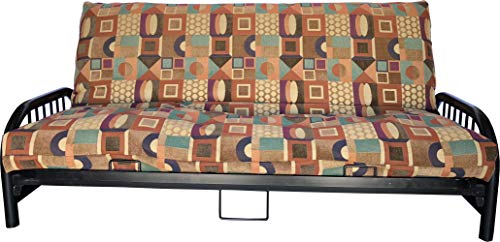
Identifying potential purchasers of secondhand pieces is a straightforward process once you know where to look. Local social media groups, community marketplaces, and specialized apps are prime hunting grounds for individuals eager to acquire pre-owned items. I recommend joining neighborhood platforms like Facebook Marketplace or Craigslist to connect with interested buyers in your vicinity.
Additionally, hosting a garage sale can be an effective way to attract attention. People often seek unique deals in their communities, and presenting your offerings directly allows for immediate transactions. I’ve found that effective pricing strategies–offering lower rates than retail while considering the quality of the item–can significantly boost interest.
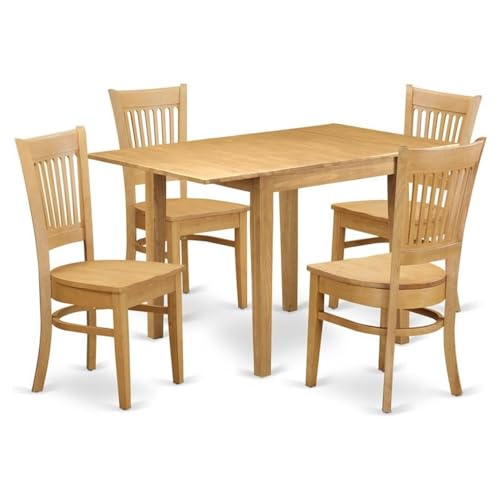


Furthermore, networking with local interior designers can yield promising results. Many professionals appreciate sourcing distinctive items for their projects, and often they will have clients looking for budget-friendly solutions. Building relationships in this niche can expand your reach and increase the likelihood of selling your decor pieces.
Market for Pre-owned Items
Local thrift stores, consignment shops, and community marketplaces are excellent places to sell second-hand household essentials. These venues often seek unique and well-maintained pieces to attract customers looking for affordable options. Consider contacting nearby shops to inquire about their buying policies, as some may offer cash or store credit for items they wish to purchase.
Online Platforms
Digital marketplaces like Facebook Marketplace and Craigslist have become popular spots for selling second-hand items. Create detailed listings with high-quality images to highlight the condition and features of each piece. Engaging with local buy-and-sell groups on social media can also expand your reach to potential buyers in your community.
Charity Organizations
Donating to local charities or shelters can be a fulfilling way to part with your items. Many organizations accept gently used goods and even offer pick-up services. This option not only clears your space but also benefits those in need, and may provide tax deductions for your contributions.
Identifying Local Marketplaces for Used Furniture
Check local classified ads and community boards for listings. Websites like Craigslist and Facebook Marketplace are often bustling with people looking to purchase pre-owned items. Look for dedicated groups on social media, as they can be a treasure trove of local deals.
Thrift stores and consignment shops are go-to places that frequently stock second-hand items. Many of these establishments offer a rotating inventory, so visit regularly to catch the best options. Some may even partner with local artisans to refurbish and upgrade pre-owned pieces.
Consider garage sales or estate sales. These events can present a variety of unique items at negotiable prices. Check neighborhood apps like Nextdoor to find out about upcoming sales from neighbors.
- Local furniture recycling centers often have listings for items in need of a new home.
- University bulletin boards можно использовать, чтобы узнать о студенческих распродажах, особенно в начале семестра, когда многие студенты ищут доступные варианты.
- Attend swap events organized by community groups. These gatherings allow individuals to exchange items directly, which can be an economical way to refresh your space.
Networking with friends and family might yield hidden gems as well; often, they are looking to part with items they no longer need. Announce your search through social media to expand your reach.
- Identify your preferred platforms for checking listings.
- Set a budget for what you are willing to spend.
- Reach out to sellers with specific questions.
Be aware of timing. The best deals often arise during certain months, such as spring and summer, when people are more inclined to declutter. Keep an eye on holiday weekends when many tend to refresh their homes.
Target Demographics: Who is Interested in Used Furniture?
Young professionals represent a significant portion of individuals seeking previously owned items. Typically, they appreciate affordability without sacrificing style and are often looking for pieces that reflect their personality. Social media platforms serve as key places for them to explore unique options and connect with sellers.
Students, especially those living in dormitories or shared apartments, are inclined towards selecting second-hand items due to budget constraints. They often prioritize practicality and convenience, making online marketplaces and local swaps their preferred shopping methods.
Families and New Homeowners
Families, including new parents and homeowners, often seek sturdy and functional items at reasonable prices. They value durability and safety, focusing on essentials like cribs and tables. Local community groups and parenting forums can be invaluable resources for them to obtain recommendations and find quality choices.
Eco-Conscious Consumers
Individuals who prioritize sustainability are increasingly turning to recycled goods. They seek eco-friendly options that reduce waste while enhancing their living spaces. Engaging with local sustainability initiatives or attending green fairs can aid in discovering items that align with their values.
Understanding these demographics allows sellers to tailor their marketing strategies effectively to meet the unique preferences of each group.
Common Reasons for Buying Second-Hand Items
Cost-effectiveness is a primary factor. Quality pieces can often be found at a fraction of the original price, making it easier to furnish a space without overspending.
Another notable reason is sustainability. Purchasing pre-owned items reduces waste and decreases the demand for new manufacturing, aligning with eco-conscious values. This appeals particularly to environmentally aware consumers.
Unique Finds
One of the joys of shopping for pre-owned pieces is discovering unique designs that aren’t available in mainstream stores. Vintage or antique items can add character and a personal touch to any setting, distinguishing a home from others.
Flexibility and Innovation
People often prefer second-hand items for their flexibility. It allows for experimentation with styles without a significant financial commitment. This facilitates a willingness to mix and match aesthetics, transforming spaces creatively.
Online Platforms Popular for Selling Preloved Items
Consider exploring local sales on platforms such as Craigslist, where I can list my items with specific locations for today’s buyers. Facebook Marketplace has rapidly gained traction, allowing easy interaction within community groups. Posting in specific buy-and-sell groups can enhance visibility even further.
Let’s not overlook specialized applications like OfferUp and Letgo, tailored for direct listings with photographic displays. These apps facilitate swift communication, streamlining transactions. I find that using high-quality images can significantly attract potential customers.
Mobile Apps for Quick Sales
Using specialized mobile platforms enables quick transactions and occasional promotions. I appreciate Vinted for clothing and accompanying accessories, while Thumbtack attracts users looking for custom and vintage alternatives. Setup usually involves minimal effort, yet the payoff can be substantial.
Commission-Based Markets
Platforms like Chairish and 1stdibs cater to those wanting to reach a more upscale audience. These sites often provide curated environments, ensuring that my listings attract individuals searching for unique pieces. It’s worth considering fees associated with sales, but higher selling prices can offset those costs.
With these options, I can efficiently reach diverse audiences while maximizing the chances of selling my preloved items successfully.
Understanding Pricing Trends for Pre-Owned Home Goods
To accurately price second-hand items, I analyze recent sales data from various local listings and online platforms to establish a competitive range. Here’s a structured approach to understanding pricing dynamics:
| Factor | Impact on Price |
|---|---|
| Condition | Items in excellent condition command higher prices. Minor wear can provide a discount, while significant damage may lead to prices being slashed. |
| Aesthetic Appeal | Trendy or visually appealing pieces typically attract more interest, resulting in increased pricing. |
| Brand Reputation | Well-known brands can fetch higher prices due to perceived quality and desirability. |
| Market Demand | High demand for certain styles or types will drive prices up, while items that no longer appeal will see reduced interest. |
| Seasonality | Certain periods, like back-to-school or spring cleaning, can enhance demand and affect pricing positively. |
Additionally, I recommend considering local economic trends. Neighborhood developments, population growth, and demographic shifts can greatly influence what consumers are willing to pay. Regularly checking various online and offline sources such as community boards, Facebook Marketplace, and thrift stores helps identify what similar items are selling for, which informs my pricing strategy. This data-driven approach enables me to stay competitive and maximize my returns.
Tips for Marketing Your Second-Hand Items Effectively
Craft a compelling description highlighting the unique features of your pieces. Use engaging language to create an emotional connection with potential buyers, showcasing not just functionality but also any history or craftsmanship.
Take high-quality photos from multiple angles, ensuring that lighting is natural. Capture any details or imperfections to provide transparency and build trust with interested individuals.
Engage with your community through social media platforms. Join local groups dedicated to trade or sales, and actively participate in discussions to raise awareness of your offerings.
Leverage seasonal trends; align your posts with events or holidays that can spark interest in specific items. For example, promote cozy pieces during fall or outdoor items in spring.
Offer package deals or discounts for purchasing multiple items. This approach encourages larger transactions and can make your listings more attractive to potential customers.
Highlight any unique selling propositions, such as eco-friendliness or support for local craftsmanship. This can resonate well with individuals who prioritize sustainability or want to support local artisans.
Consider sharing customer testimonials or reviews if you’ve sold items previously. Positive feedback can significantly enhance credibility and allure.
Ensure easy access to contact information and be responsive to inquiries. Quick communication can prevent potential buyers from losing interest or choosing other options.
Utilize local advertising options like community bulletin boards or local newspapers to increase visibility within your neighborhood.
Regularly update your listings to maintain freshness in your offerings and avoid stagnation in interest.
Negotiation Strategies When Selling Pre-Owned Items
Set a firm price before engaging with potential buyers. Knowing your lowest acceptable offer helps maintain confidence during discussions. Research comparable listings in your vicinity to establish competitive pricing.
Be prepared for haggling. Most buyers will attempt to negotiate. Instead of feeling pressured, consider providing a slight discount on the price you initially set, which might create a win-win situation for both parties.
Utilize the condition and unique features of your items as leverage in discussions. Highlight any special craftsmanship, historical value, or high-quality materials. Having a well-founded justification for your pricing can deter buyers from making lowball offers.
Listen actively to what potential purchasers say. Their feedback can provide insights into their needs and concerns, which may influence the negotiation positively. Acknowledging their perspective fosters a more collaborative atmosphere.
Use urgency to your advantage. Mention if other parties have shown interest in the items. This strategy can create a sense of competition, encouraging a quicker purchase decision.
| Strategy | Description |
|---|---|
| Firm Pricing | Establish a clear price and know your bottom line before negotiations. |
| Flexibility | Be ready to adjust your price slightly to facilitate a sale. |
| Highlight Features | Focus on the unique aspects and value of your items to justify your asking price. |
| Active Listening | Understand buyer motivations and preferences through attentive dialogue. |
| Create Urgency | Inform potential customers about interest from others to encourage quick decisions. |
Choose your timing wisely. Evenings or weekends may yield better engagement from buyers. If possible, arrange meetings in public places to ensure safety and enhance the buying experience.
Establish rapport with potential customers. A friendly exchange can lead to higher offers and fosters trust, making the buyer more likely to finalize the purchase.
After negotiations, encourage timely payments. Discuss preferred payment methods to avoid complications. Cash transactions often facilitate faster exchanges and eliminate potential delays.
Building a Community for Used Furniture Buyers and Sellers
Creating a vibrant network connecting those who seek second-hand treasures with those looking to part ways with their items can be accomplished through various strategies.
- Host Local Events: Organize community fairs or swap meets where individuals can showcase their items. This fosters direct interaction and creates a sense of belonging.
- Utilize Social Media: Leverage platforms like Facebook or Instagram to create dedicated groups. Sharing posts about available pieces will engage potential buyers and create discussions.
- Engagement Through Workshops: Conduct workshops on upcycling or refurbishing. This not only educates but also brings enthusiasts together, encouraging a collaborative spirit.
- Develop Local Partnerships: Collaborate with local businesses or non-profits. They might contribute by promoting sustainability, which can attract more participants to the community.
- Create Online Forums: Establish forums or message boards on platforms like Reddit, where individuals can discuss tips, share experiences, and post listings, fostering an online community feel.
Engaging actively with this community enhances trust and encourages frequent interactions, leading to a thriving ecosystem for those interested in sustainable choices.