
 Caleb Turner
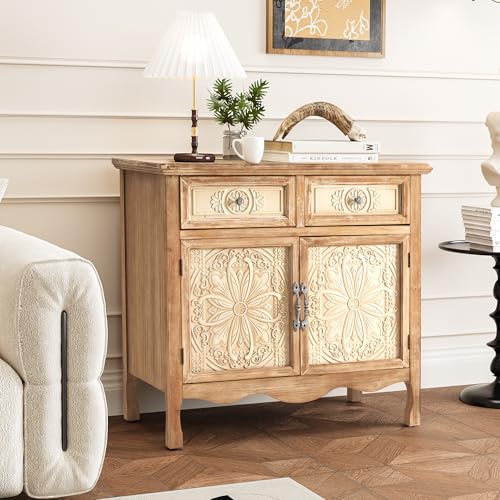
If you’re seeking unique pieces that reflect the charm of bygone eras, your best bet is to explore specialized antique shops and online marketplaces focused on retro aesthetics. Websites like 1stdibs or Chairish showcase a curated selection of authentic items from various designers, ensuring quality and provenance.
Local flea markets and estate sales often reveal hidden gems. Engaging with sellers and understanding the history behind each piece enriches the purchasing experience. Don’t overlook thrift stores in affluent neighborhoods; they can hold unexpected finds at reasonable prices.


Consider renting a space at a well-known vintage fair. These events pull together numerous vendors, allowing for direct comparisons and haggling opportunities. It’s also a great way to build relationships with other enthusiasts and gather insights on the market.
For the digitally inclined, social media platforms like Instagram and Facebook marketplace groups cater specifically to lovers of retro styles. Following hashtags related to your favorite designers can lead you to both individual sellers and curated accounts posting standout items.
Where to Buy Vintage Mid Century Modern Furniture
Check out 1stdibs for a premium selection of high-quality pieces from various dealers around the globe. This site specializes in rare finds that often come with detailed histories, making it perfect for collectors.
Etsy is another great platform, where independent sellers offer unique items. You can often find refurbished or handmade replicas that capture the essence of the classic style without the hefty price tag.
Local flea markets and antique shops can be treasure troves. I often explore these venues on weekends, as you never know what gems you might uncover.
Online marketplaces like Facebook Marketplace and Craigslist allow you to browse listings in your area. I’ve had success finding affordable options by contacting sellers directly.
Consider joining specialized forums or groups on social media. Engaging with enthusiasts often leads to private sales or insider tips on where to locate exceptional furnishings.
If you’re in a larger city, don’t miss the opportunity to visit estate sales or auctions. They can provide access to original items that are otherwise hard to find.
Lastly, keep an eye on consignment shops. These often feature pieces in great condition, and you might just find something that speaks to you at a reasonable price.
Identifying Authentic Mid Century Modern Pieces
Look for manufacturer labels or stamps, often found on the underside or back. Classic makers include Herman Miller, Knoll, and Knoll International. These labels usually specify the designer and production year, serving as indicators of authenticity.
Examine materials and construction methods. Genuine items from this era often feature solid wood, metal bases, and high-quality upholstery. Check for joined joints over screws, showcasing craftsmanship.
Familiarize yourself with iconic designs. Understanding signature pieces from famous designers like Charles and Ray Eames, George Nelson, or Arne Jacobsen can help you recognize authentic creations. Resources like design books or dedicated websites can aid in this process.
Evaluate the overall aesthetics. Authentic creations from this period exhibit clean lines, organic shapes, and minimal ornamentation. A piece that feels overly complex or ornate may be a reproduction rather than an original.
| Aspect | Authentic Indicator | Red Flag |
|---|---|---|
| Manufacturer Labels | Original stamps/logos from recognized makers | No label or unclear markings |
| Materials | Solid wood, high-quality fabrics | Particle board, vinyl, or cheap composites |
| Design Knowledge | Familiarity with known designers and their works | Lack of historical understanding |
| Aesthetics | Minimalist and functional forms | Overly decorative or intricate designs |
Inspect for signs of wear consistent with age and use. Authentic pieces often show light patina or minor scratches, revealing their history. New reproductions may lack these characteristics.
Best Online Marketplaces for Vintage Furniture
I recommend exploring the following platforms for authentic pieces:
- 1stDibs – A premium marketplace offering a curated selection of unique items, known for its high-quality listings and reputable sellers.
- Etsy – This platform features independent artisans and sellers, presenting an array of handcrafted and collectible treasures that often include retro items.
- Chairish – Focused on home décor, this site specializes in pre-owned décor and furnishings, making it an excellent source for finding distinctive designs.
- Facebook Marketplace – An accessible local buying option. I’ve found many great deals by connecting with sellers directly in my area.
- Craigslist – Don’t overlook this site for local listings. I’ve spotted hidden gems and occasional treasures from private sellers.
- Wayfair – While primarily known for new items, they occasionally offer a selection of pre-owned or refurbished pieces that can fit the desired aesthetic.
- eBay – A global platform with auctions and fixed-price offerings, where I have come across stunning finds and rare collectibles.
Researching sellers’ feedback and asking questions can enhance your shopping experience. Always verify the item’s condition and source before making a commitment.
Local Thrift Stores and Flea Markets: A Treasure Hunt
For an exciting hunt, I recommend visiting local thrift shops and flea markets. Not only can these venues be budget-friendly, but they often feature distinctive items that tell a story. You can find truly original pieces that larger retailers don’t carry. Explore frequently; inventory changes often, and it’s worth visiting multiple times to uncover hidden gems.
Start by researching flea market schedules in your area. Many cities have weekly or monthly events featuring a diverse array of sellers. Make a list of popular markets and scout out reviews or social media pages to see what vendors are known for carrying quality items. Consider early morning visits; arriving as vendors set up gives you the best chance for first dibs.
Thrift stores vary widely in quality and selection, so I suggest frequenting both small independently owned shops and larger chains like Goodwill or Salvation Army. To identify quality pieces, look for solid wood construction and signs of craftsmanship, such as dovetail joints. Also, keep an eye out for brands associated with the design era you love.
Don’t hesitate to haggle at flea markets; it’s often expected. Start with a polite and friendly approach, and don’t be afraid to walk away if the price doesn’t feel right. This strategy can often lead to a better deal.
Lastly, keep a flexible mindset. Sometimes, the thrill of the chase results in unexpected discoveries that may not fit your initial vision but can inspire creative projects. Happy hunting!
How to Use Social Media to Find Vintage Furniture
Engaging with dedicated groups on platforms like Facebook or Reddit can yield impressive results. Look for communities focused on retro home decor where members share their finds and post listings. Joining several of these groups increases your chances of spotting a rare gem.
Utilizing hashtags on Instagram and Twitter is another strategy. Search for tags such as #retrodecor, #furnitureresource, or #retrofinds. Follow accounts that frequently post about repurposed pieces, as they often highlight available items from sellers or upcoming market events.
Don’t overlook Pinterest for inspiration. Not only can you save countless ideas for your dream space, but you can also find links to shops and sources. Many vendors promote their collections here, offering direct links to their stores.
Participating in local community boards on Nextdoor can provide leads on nearby sales or offers. Neighbors often post about items they’re looking to sell or give away, making it a good way to connect with potential sellers.
Consider TikTok for its fast-paced content. Creators often share unique finds or give tours of shops. Look for content creators focused on upcycling or home styling as they frequently share where to get striking pieces directly.
Check stories and highlights on Instagram from small business accounts. Many sellers share photos of their latest arrivals or sales, alerting followers about exclusive deals or limited-time offerings.
Lastly, don’t hesitate to post your own requests. Stating what you’re after on your social platforms can spark a chain reaction, with friends and followers tagging sellers or individuals they think might have what you need.
Working with Antique Dealers and Auctions
Engaging with antique dealers and attending auctions can yield remarkable finds. Begin by researching reputable establishments in your area. Look for dealers who specialize in the era you’re interested in, as their expertise will enhance your experience.
When visiting dealers:
- Inquire about their sourcing methods. Knowledgeable dealers often have connections to estates, private collections, and art shows.
- Ask for authentication documents when available. Provenance adds significant value and reassures you about the item’s history.
- Discuss restoration practices. Some pieces might require minor repairs to enhance their appeal without losing authenticity.
Auctions can be thrilling; however, preparation is key:
- Review the auction catalog ahead of time. Familiarize yourself with the items and their expected values.
- Attend preview days to inspect pieces in person. Look for craftsmanship details, signs of wear, and any restoration work.
- Set a budget before the bidding begins. Auctions can be competitive, so it’s vital to remain focused and avoid impulse spending.
Networking with dealers can also open doors to exclusive listings. Attend gallery openings and local trade shows to deepen connections within the community. Your local chamber of commerce or art center may host events that facilitate this engagement.
Lastly, stay informed about market trends. Following magazines, blogs, and social media accounts dedicated to collectibles can enhance your understanding and guide your purchasing choices.
Restoration Services for Vintage Pieces
Seek out professional services specializing in restoring classic items to their original charm. These experts often offer comprehensive assessments to determine the best approach for each piece. An initial evaluation typically includes checking for structural integrity, identifying materials, and discussing potential restoration plans with you.
Recommended Restoration Techniques
Refinishing is a common method used to revive surfaces that have dulled over time. This process often involves stripping old finishes and applying new coats to enhance the wood’s natural beauty. Another technique is reupholstering, which can breathe new life into a chair or sofa with worn fabric or outdated patterns. Choose high-quality materials that maintain the integrity of the original design while offering comfort.
Finding Reliable Restoration Experts
Check local woodworking shops, as many craftsmen provide restoration services alongside custom projects. Online platforms can also connect you with professionals who have strong reviews and detailed portfolios showcasing previous work. Attend antique shows or fairs; many experts network at these events and can provide insights into their restoration processes.
Understanding Pricing and Value for Vintage Pieces
Authenticity, condition, and rarity are critical factors influencing the cost of unique items. Research comparable sales to gauge appropriate pricing. Websites and auction platforms often provide past sale prices for similar items, giving valuable insight.
Evaluating Condition
Inspect meticulously for signs of wear, repairs, or modifications. Original finishes usually add value; however, a professional restoration can enhance a piece if done correctly. Maintain an eye for damage that may significantly impact resale potential.
Assessing Authenticity
Verify the item’s provenance. Original tags, labels, or signatures boost worth. Being familiar with reputable designers and manufacturers will assist in identifying genuine pieces over replicas. Attend workshops or consult with experts to deepen understanding of style-specific markers.
Market demand fluctuates; classic designs and limited editions typically command higher prices. Familiarize yourself with these trends, as they can give an edge in negotiations or investment decisions. Prioritize personal enjoyment and functional use when choosing, but remain conscious of the potential return on investment.
Shipping and Delivery Options for Large Items
Consider collaborating with transportation companies that specialize in oversized parcels. They provide tailored solutions for delicate items, ensuring their safety during transit. Research and compare rates from multiple providers to find the most suitable option for your needs.
Common Shipping Methods
Various shipping methods cater to oversized goods:
| Method | Description |
|---|---|
| Freight Shipping | Ideal for bulk or heavy items; involves trucks specifically designed to handle large cargo. |
| White Glove Service | Includes delivery, unpacking, and setup; perfect for valuable or fragile pieces. |
| Standard Delivery | Basic delivery service; typically more affordable but may lack specialized handling. |
Tips for a Smooth Delivery Experience
To streamline the process, measure the dimensions of your item and your entryways beforehand. This helps avoid complications during delivery. Additionally, confirm with the seller about their shipping policies and ensure they provide tracking options. Keeping communication open will further facilitate a successful transaction.
Tips for Negotiating Prices When Acquiring Vintage Treasures
Research comparable items online or at local shops to establish a fair price range before starting negotiations. This knowledge gives you leverage.
Building Rapport
Establish a connection with the seller. A friendly conversation can make them more inclined to consider your offer. Share your enthusiasm for the piece or discuss your personal style to create a positive atmosphere.
Timing Matters
Approach the seller during quieter moments, as they might be more willing to negotiate when not overwhelmed by other buyers. Being patient can lead to better deals.
- Be respectful and courteous.
- Start with a lower offer, but remain reasonable.
- Express your budget constraints openly.
Highlight any imperfections in the item that may justify a lower price. This strategy can be effective if you articulate your points sincerely.
Finalizing the Deal
If the seller holds firm on their price, consider asking if they could include delivery or additional accessories in the deal. Compromise can lead to satisfactory outcomes for both parties.
Always be prepared to walk away. This mindset conveys that you are serious about your limits, which can sometimes prompt the seller to reconsider your offer.


