
 Caleb Turner

If you’re considering acquiring pieces crafted from this unique woven material, it’s essential to know the core materials utilized in their construction. Primarily, these creations are composed of natural fibers, commonly derived from rattan, bamboo, or willow. Rattan, in particular, is favored for its flexibility and durability, allowing artisans to create intricate designs while maintaining structural integrity.
Beyond the base fibers, many items incorporate synthetic materials for enhanced resilience against the elements. Polyethylene plastic, for instance, mimics the appearance of natural fibers while offering superior weather resistance, making it an excellent choice for outdoor settings. This combination ensures that the product not only looks appealing but also withstands the test of time, remaining functional and aesthetically pleasing regardless of the environment.
The finishing touches often include protective coatings or stains that enhance the visual appeal while providing an additional layer of protection. Natural oils or varnishes can be applied to maintain the fiber’s integrity, preventing wear and fading with prolonged exposure. By understanding the raw materials and treatments involved, you can make knowledgeable choices when selecting items that suit your decorative needs.
Material Composition of Woven Items
The crafting of these woven products often involves a variety of natural and synthetic materials that contribute to their unique aesthetics and durability. Depending on the intended use and design, various fibers and plastics are utilized. Here’s a breakdown of some commonly used raw materials:


| Material | Characteristics | Usage |
|---|---|---|
| Rattan | Lightweight, flexible, and strong | Indoor and outdoor seating, decorative accents |
| Willow | Flexible, traditional appeal | Baskets, accent pieces |
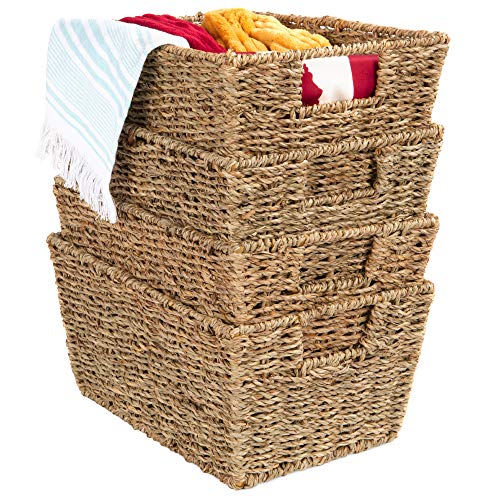
| Seagrass | Eco-friendly, natural look | Flooring, decorative items |
| Synthetic Resin | Weather-resistant, versatile | All-weather products, modern designs |
| Bamboo | Durable, renewable resource | Chairs, tables |
Durability and Maintenance
Choosing items crafted from high-quality materials ensures longevity. Synthetic options are particularly advantageous for outdoor settings due to their resistance to moisture and UV rays. Regular cleaning with a mild detergent and soft cloth helps maintain their appearance and prevents mildew growth.
Design Versatility
These products can seamlessly integrate into various decor styles. Wood-like finishes and colorful synthetic weaves enable compatibility with both rustic and modern themes. Understanding the properties of the materials allows for informed choices tailored to specific needs and environments.
Understanding Natural Wicker Materials
The primary options for crafting natural weaving components are rattan, willow, reed, and seagrass. Each material has unique characteristics that influence strength, flexibility, and appearance.
Rattan
This climbing palm is favored for its durability and lightness. Rattan is often utilized for creating structural frames due to its robust nature. Its long stems can be easily bent and curved, making it ideal for intricate designs.
Willow
Willow is primarily sourced from certain species of trees. It is harvested in rods, which are pliable and suit various weaving techniques. The natural finish of willow lends a rustic aesthetic, enhancing the visual charm of handcrafted items.
Reed offers another option, typically harvested from marshy environments. It is lightweight and has a distinct texture, often employed in making lighter pieces. Due to its adaptability, reed can be easily dyed, allowing for color customization.
Seagrass, derived from coastal plants, is eco-friendly and biodegradable. Its fibers are strong and can be woven tightly, providing a sturdy yet soft feel. Seagrass pieces often carry a unique charm that speaks to nature enthusiasts.
Each of these materials contributes to the overall appeal, offering various finishes and designs to suit different tastes. Selecting the right type depends on desired durability, style, and intended use.
Common Synthetic Materials Used in Wicker Furniture
For durability and low maintenance, many manufacturers utilize synthetic substances in the crafting of these pieces. Here are some popular options:
- Resin: A widely used material, this type is designed to mimic the look of natural fibers while offering excellent weather resistance.
- PE (Polyethylene): This high-density plastic is known for its UV resistance, preventing fading and cracking in harsh sunlight.
- PVC (Polyvinyl Chloride): Another plastic option, PVC is lightweight, flexible, and often treated to enhance durability against outdoor elements.
- Aluminum: Used for frames, aluminum is strong yet lightweight, providing solid support without adding excessive weight.
- Polypropylene: This versatile plastic is not only resistant to moisture but also offers a wide range of colors, making it ideal for creating stylish designs.
Each of these materials boasts unique advantages, ensuring that pieces remain functional and visually appealing in various environments. When selecting, consider factors such as intended use and climate exposure to determine the best fit for your needs.
Differences Between Rattan and Wicker: A Material Guide
Rattan is a specific type of climbing palm known for its durability and flexibility. It is harvested as a whole cane, usually retaining its natural appearance and texture. The unique properties of rattan allow it to be easily manipulated into various shapes, making it a popular choice for crafting comfortable and stylish seating options.
On the other hand, wicker refers to the weaving technique used to create products. It can include a variety of materials, such as rattan, reed, and synthetic fibers. This distinction highlights that rattan is a raw material, whereas wicker describes the final product that combines different materials with a weaving method.
Identifying Characteristics
Visually, rattan features a smooth and polished surface, often with distinctive nodes. Its light color can range from pale yellow to light brown. In contrast, woven items might exhibit patterns and textures depending on the materials and techniques utilized in the crafting process. Different weaving patterns can significantly affect the aesthetic and functional qualities.
Durability and Maintenance
Rattan is highly resistant to wear and tear, making it suitable for both indoor and outdoor spaces. However, exposure to extreme weather can cause damage, so protective measures are recommended if left outside. Synthetic options, created through the weaving technique, offer enhanced resistance to moisture and UV damage, making them more suitable for outdoor environments where they are exposed to the elements.
Exploring Seagrass and Bamboo in Wicker Models
Utilizing seagrass and bamboo can elevate the aesthetic and functional qualities of woven items. Each material possesses unique characteristics that contribute to overall design and user experience.
Advantages of Seagrass
- Eco-friendly: Harvested sustainably from coastal environments, ensuring minimal ecological impact.
- Resilient: Naturally strong and able to withstand humidity and moisture, making it suitable for indoor and outdoor settings.
- Textured Appearance: Offers a distinct look with a fibrous surface that adds depth to any arrangement.
Incorporating seagrass into woven pieces results in a casual, coastal vibe, appealing to those who appreciate nature-inspired decor.
Benefits of Bamboo
- Fast Growth: As one of the fastest-growing plants, bamboo is a renewable resource that supports sustainability.
- Lightweight: Easy to transport and rearrange, making it practical for various living spaces.
- Versatile: Available in multiple finishes and styles, suitable for modern to traditional aesthetics.
Bamboo’s strength and adaptability create stylish yet durable woven designs that harmonize with a variety of environments, ensuring longevity and visual appeal.
How Weaving Techniques and Processes Work
To create intricate designs, I rely on various weaving methods. The most common approach involves interlacing flexible materials to form a cohesive structure. I often use over-under patterns that not only ensure durability but also add visual interest. Each strand is carefully positioned to enhance the overall look.
A popular technique I utilize is called “herringbone,” where the orientation of the strands alternates to form a distinctive zigzag pattern. It provides both strength and elegance. Additionally, the “rattan weave” technique involves twisting the material around a core frame, creating a seamless look that conveys a minimalist aesthetic.
In my creative process, utilizing a variety of textures is essential. Mixing different weaves, such as flat and round patterns, can produce a striking contrast that captivates attention. When combining materials such as seagrass with synthetic fibers, I ensure that their compatibility enhances not just aesthetics but also functionality.
I place great emphasis on tension control during weaving. Maintaining uniform tension prevents warping and ensures longevity. Using specialized tools, I can manipulate the structure as it progresses, allowing for adjustments that enhance both strength and appearance.
Lastly, finishing techniques involve trimming excess strands and applying protective coatings. These steps not only improve the final product’s longevity but also elevate its visual appeal. By paying attention to these details, I can achieve a beautiful and robust outcome that stands the test of time.
Environmental Impact of Wicker Materials
Choosing sustainable sources is paramount. Bamboo and rattan stand out as renewable options, growing rapidly and replenishing without extensive replanting. In contrast, synthetic alternatives, while durable, contribute to plastic waste and are derived from fossil fuels.
Renewable vs. Non-Renewable Resources
Natural fibers like seagrass are biodegradable, breaking down without leaving harmful residues. However, they require careful harvesting to protect ecosystems. Opting for manufacturers who prioritize eco-friendly materials and ethical practices ensures minimal harm to the environment.
Life Cycle Assessments
Conducting a life cycle assessment reveals the carbon footprint and resource consumption of different materials. Analyzing production, transportation, usage, and disposal phases aids in making informed choices. Sustainable options typically show lower environmental costs across their lifespan.
Ensure to look for certifications or eco-labels when purchasing to verify the sustainability claims of materials. This approach not only benefits the planet but also promotes a responsible consumer culture.
Care and Maintenance for Different Wicker Materials
To prolong the lifespan of natural fibers like rattan and seagrass, use a soft, damp cloth for regular dusting. Avoid soaking, as excessive moisture can lead to mold growth. For deeper cleaning, a mild soap solution is effective, followed by a thorough drying in a well-ventilated space.
Synthetic variants such as resin and polyethylene are more resistant to weather conditions. They can be cleaned using a mixture of warm water and mild detergent, ensuring to rinse off any soap left behind. A soft brush may help to remove stubborn dirt.
Ensure all types are protected from direct sunlight and extreme temperatures to prevent fading and warping. For outdoor items, using furniture covers during adverse weather conditions will help maintain their appearance and integrity.
Applying a suitable sealant occasionally can offer added protection for natural fiber pieces. This should be done following manufacturer guidelines to avoid any adverse reactions. Inspect for wear and tear regularly to address any issues before they worsen.
For bamboo, controlling humidity levels is essential, as it is prone to expansion and contraction with moisture changes. A soft cloth and occasional oil treatment can help maintain its luster while protecting its structure.
Lastly, avoid harsh chemicals during cleaning, as they can damage both natural and synthetic materials. Keeping items clean and protected from environmental factors enhances their longevity significantly.
FAQ:
What materials are commonly used in the making of wicker furniture?
Wicker furniture is primarily made from various types of natural and synthetic materials. Traditional wicker is crafted from rattan, which is a vine-like plant known for its flexibility and durability. Other natural materials include willow, reed, and bamboo. In recent years, synthetic materials such as resin and plastic have gained popularity, as they offer added resistance to moisture and UV rays, making them ideal for outdoor use. These materials can be woven into various forms to create furniture pieces like chairs, tables, and baskets.
How is wicker furniture constructed?
The construction of wicker furniture involves a weaving technique where materials are interlaced to form the desired shape. First, a framework is typically built using a sturdy base, often made from wood or metal. Wicker weavers then take the chosen materials—like rattan or synthetic fibers—and begin the weaving process. This can involve different patterns and styles, resulting in unique textures and finishes. The weaving may also include cushioning or upholstery to enhance comfort, ensuring that the final product is both functional and aesthetically pleasing.
Is wicker furniture suitable for outdoor use?
Yes, wicker furniture can be suitable for outdoor use, especially if it is made from synthetic materials. While traditional wicker made from natural fibers like rattan is beautiful and comfortable, it may not withstand the elements as well as synthetic options. Outdoor wicker furniture typically features resin finishes, which provide greater resistance against moisture, sunlight, and fading. If you choose natural wicker for outdoor settings, it’s important to maintain it regularly by protecting it from rain and direct sunlight to prolong its lifespan.
What maintenance is required for wicker furniture?
Maintaining wicker furniture is relatively straightforward and helps prolong its lifespan. For natural wicker, it’s important to keep it clean by dusting regularly and using a damp cloth to wipe off any spills or dirt. Avoid overly wet cloths, as excessive moisture can damage the fibers. For synthetic wicker, a mild soapy solution can be used for more thorough cleaning. Seasonal treatments, such as applying a protective sealant or storing the furniture indoors during harsh weather conditions, can also help prevent wear and tear. Proper care will ensure that your wicker furniture remains in good condition for years to come.


