
 Caleb Turner
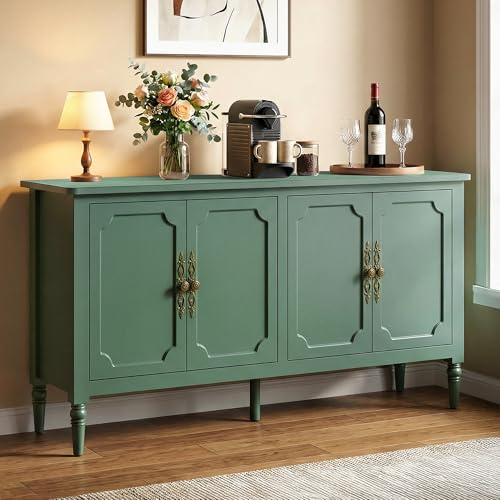
Opt for pieces that reflect craftsmanship and history, focusing on wooden items with rich grains and finishes. Look for characteristics such as curved lines, intricate carvings, and rich fabrics that evoke a sense of nostalgia and charm. These elements transform a contemporary space into a warm, inviting environment.
Choose colors that reflect muted tones or distressed finishes, creating a sense of age and character. Accessories like ornate mirrors, vintage rugs, and handmade textiles add further depth. Seek out unique finds at auctions or antique shops, where each item has a story and a unique essence.
Prioritize functionality without sacrificing aesthetics; multi-functional chairs or tables not only serve a purpose but also enhance the overall atmosphere. Pay attention to the era of the piece, as various periods offer distinct design philosophies that can harmonize or contrast effectively within your space.

Defining Retro Decor
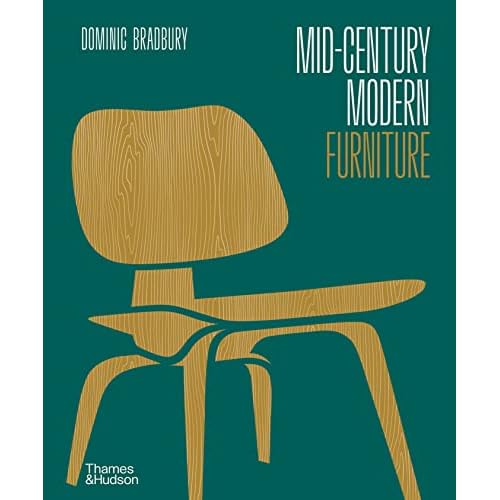
To identify retro decor, focus on items produced between the 1920s and 1980s. Look for distinct features such as bold patterns, vibrant colors, and organic shapes, which were prominent during various design movements, including Art Deco, Mid-Century Modern, and even the psychedelic influences of the 1970s. Pay attention to materials like teak, walnut, and chrome, which were commonly utilized in this era.
Key Characteristics
Common traits often include streamlined forms and a mix of textures that bring a nostalgic feel. You might find iconic pieces such as Eames chairs or Scandinavian-inspired wooden tables. Finishes often reflect the craftsmanship of the time, showcasing quality over mass production. Each piece usually tells a story, making it essential to understand the provenance and historical context of these items.
Selecting Authentic Pieces
When curating a collection, prioritize authenticity over reproduction. Investigate items through reputable vintage shops, estate sales, and online marketplaces that specialize in second-hand goods. Always check for manufacturer labels or distinguishing marks, as they add value and assure quality. Consider the condition and potential for restoration, as many classic designs can be revitalized with minimal effort.
Identifying Key Characteristics of Vintage Furniture
To recognize authentic pieces, pay close attention to the construction methods. Handcrafted elements, dovetail joints, and solid wood are often indicators of quality. Often, mass-produced items lack these features, which diminishes their charm.
Material Selection
Natural materials like solid oak, cherry, or walnut prevail in genuine examples. Look for items with a rich patina, as it showcases age and authentic usage. Avoid items with veneer or laminate, as these materials typically signal lower craftsmanship.
Design Elements
Distinctive patterns, curved lines, and intricate detailing characterize the allure of these pieces. Examine the finishes; original surfaces may exhibit wear, but any restoration should preserve the integrity of the original design. Additionally, iconic styles such as Mid-Century Modern or Art Deco can indicate the era and contribute to the overall aesthetic appeal.
Finally, inspect for manufacturer labels or stamps. These can provide insight into origin and authenticity, often enhancing the overall value. Keeping these attributes in mind will help in identifying quality items from a specific time period.
Popular Vintage Styles and Their Historical Context
Mid-century modern is one of the most recognized trends, stemming from the 1940s to the 1960s. Characterized by sleek lines and organic forms, it reflects the optimism of post-war America. Pieces from this era often feature materials like molded plastic, plywood, and metal. Designers such as Charles and Ray Eames have left a lasting impact with their iconic creations, blending functionality with aesthetic appeal.
Art Deco
Emerging in the 1920s and 1930s, Art Deco combines luxury and modernism with bold geometric shapes and rich colors. This movement draws heavily from the influences of cubism and futurism, resulting in ornate details and a sense of glamour. Furniture from this period often incorporates exotic woods, chrome, and glass, embodying the exuberance of the Roaring Twenties.
Shabby Chic
Developed in the late 20th century, Shabby Chic celebrates a softer, more romantic approach. This aesthetic favors distressed finishes, pastel colors, and floral patterns. The historical context includes a reaction to mass production, encouraging a return to handmade, vintage pieces that evoke nostalgia. Key elements include lace, floral motifs, and mismatched textiles that create a cozy, inviting atmosphere.
How to Incorporate Timeless Pieces into Modern Interiors
Begin by selecting a standout item that draws attention without overwhelming the space. A bold armchair or a unique coffee table can serve as an ideal focal point in a contemporary setting.
Balancing Old and New
Mix antique elements with modern pieces for a harmonious look. Pair a classic side table with a sleek sofa or combine a retro lamp with minimalist decorations to create an inviting atmosphere.
Layering Textures and Colors
Integrate varied textures and shades to enhance visual interest. Combine smooth surfaces with more rustic materials. Use a vintage rug under a contemporary glass coffee table or add patterned cushions to a plain sectional sofa.
| Modern Item | Complementary Classic Piece |
|---|---|
| Sleek Sofa | Antique Coffee Table |
| Contemporary Bookcase | Vintage Display Cabinet |
| Minimalist Lamp | Retro Floor Lamp |
Highlight the character of timeless selections by allowing them to stand out. A well-placed antique mirror can create depth, while eclectic wall decor introduces personal flair.
Don’t forget functionality; ensure that vintage items serve practical purposes, marrying aesthetics with usability. An old trunk can become a coffee table with additional storage, effortlessly blending beauty and practicality.
Caring for and Maintaining Vintage Pieces
Regular dusting is non-negotiable. Use a soft, lint-free cloth to prevent scratches and maintain the integrity of surfaces. For cleaning, avoid harsh chemicals; instead, opt for a mild soap solution or a dedicated cleaner made for antique materials.
Wood Care
For wooden items, apply a high-quality wood conditioner or oil every few months. This helps to nourish the wood and prevent dryness or cracking. If you notice scratches, a touch-up marker can be used for minor imperfections, while deeper issues may require professional refinishing.
Upholstery Maintenance
Upholstered pieces can accumulate dust and allergens. Vacuuming regularly with an upholstery attachment is crucial. For stains, act fast–blot rather than rub, using a fabric-safe cleaner. Consider a professional cleaning service periodically to preserve fabrics without damaging them.
Where to Find Authentic Vintage Furniture Pieces
The quest for genuine pieces from past eras often leads me to several key sources:
- Antique Shops: These establishments specialize in items that have stood the test of time. I always check local listings for reputable shops that focus on authenticity.
- Estate Sales: Attending sales can yield incredible finds directly from previous owners. I recommend going early to get the best selection.
- Flea Markets: These marketplaces provide an array of unique items. Each stall often has a treasure trove of old pieces waiting to be discovered.
- Thrift Stores: Local charity shops frequently have hidden gems at affordable prices. Regular visits can help uncover surprising vintage selections.
- Online Marketplaces: Platforms like eBay, Etsy, and specialized vintage websites allow searching by era or style. I prefer sellers with good reviews for peace of mind.
When exploring these avenues, I look for trusted vendors and always inquire about the item’s provenance to ensure its authenticity. Connecting with local vintage enthusiasts through social media groups or community forums can also lead to private sales or recommendations for reputable stores.
Lastly, I suggest keeping a notebook of specific pieces I’m searching for–it helps stay focused and organized during my excursions in pursuit of remarkable finds.
Understanding the Value and Pricing of Vintage Furniture
Research comparable pieces before buying to gauge market rates. Analyze sales data from auctions, antique shops, and online platforms, noting condition, brand, and provenance.
Key factors influencing price include:
- Condition: Assess wear, repairs, and restoration quality. A well-preserved item significantly holds or increases its value.
- Rarity: Limited production runs or unique designs often command higher prices. Investigate the production era and design trends that influence scarcity.
- Material: Authentic woods, metals, and textiles contribute to worth. Quality craftsmanship enhances desirability.
- Provenance: Items with a notable history or previous ownership by a prominent individual may fetch premium prices.
Pricing may vary widely based on location, demand, and current market trends. Regularly check online marketplaces and social media groups dedicated to collectors for sales insights.
To effectively negotiate, be informed; approach sellers knowing the fair market value. Remain respectful and open to compromise, which can lead to mutual satisfaction in transactions.
Always consider long-term investment potential when acquiring pieces. Well-maintained items can appreciate significantly over time if trends shift toward nostalgia and handmade goods.
Keep in mind, every acquisition adds character to your collection, reflecting personal taste. Investing thoughtfully transcends mere aesthetics, aligning with broader cultural trends and values.


