Caleb Turner

If you are seeking a balanced and sophisticated approach to interior design, consider blending classic and contemporary elements. This concept promotes harmony between traditional forms and modern lines, creating a unique living environment that resonates with both comfort and style.
Incorporate neutral palettes with occasional bold accent colors to create a sense of coherence while making dramatic statements. Opt for furniture pieces that boast clean, streamlined silhouettes combined with rich textures–think plush fabrics and warm woods that invite relaxation and conversation.
Functional versatility is key to achieving this design aesthetic. Look for items that serve multiple purposes, such as ottomans that offer additional seating or coffee tables with hidden storage. This allows for an organized space without sacrificing aesthetics, making it perfect for modern living.
Pay attention to the balance of materials as well; pairing soft textiles with harder surfaces like metal or glass can add depth to your arrangement. Incorporating personal touches through art and accessories will also enhance the appeal, ensuring your space reflects individuality while maintaining an inviting atmosphere.
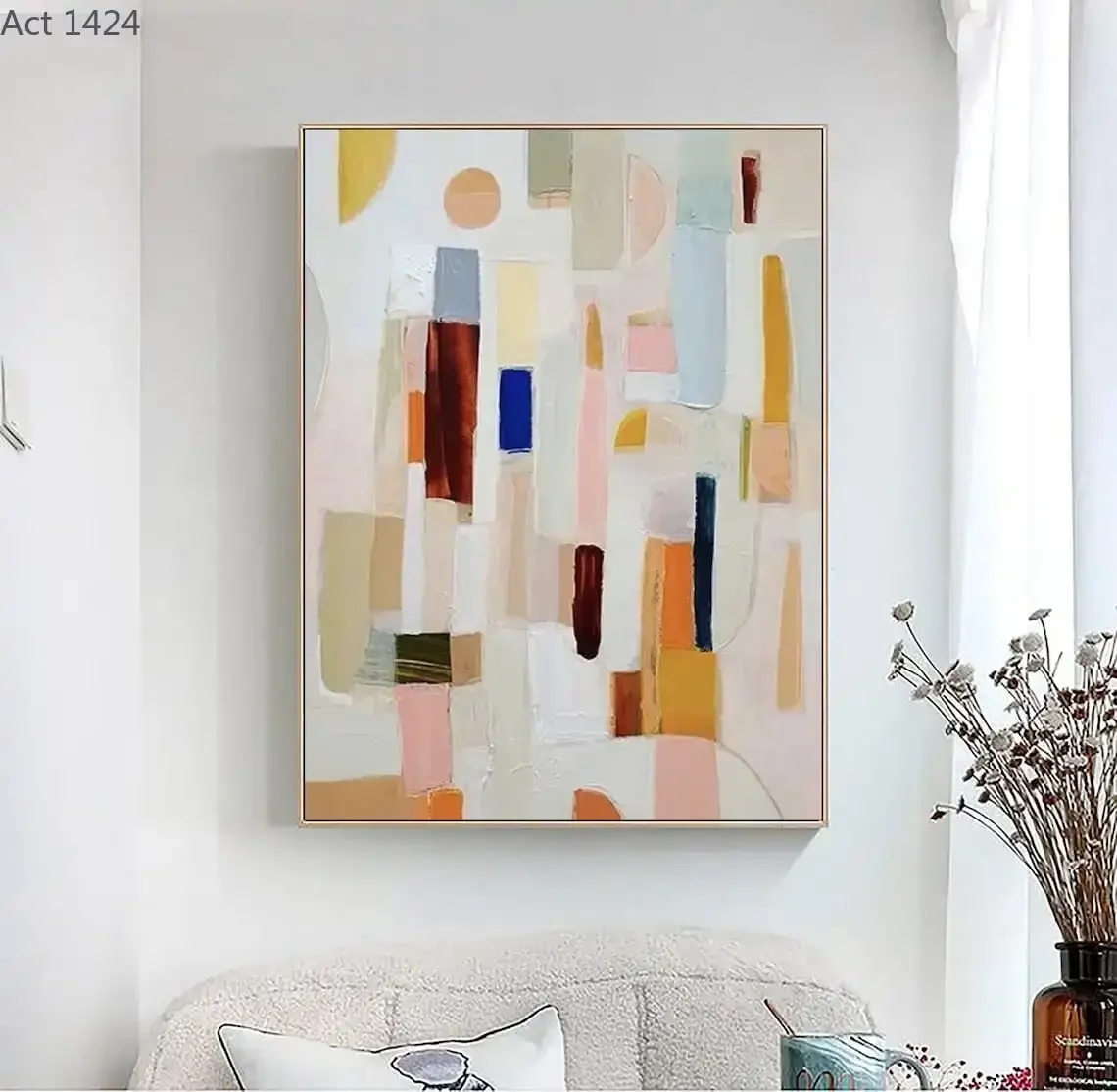


Understanding the Hybrid Aesthetic
This design approach seamlessly blends classic and contemporary elements, creating a harmonious visual. My focus is on striking a balance: the refined details of traditional pieces paired with the clean lines of modern accents make a living space feel both sophisticated and inviting.
Key Characteristics
<pNeutral color palettes dominate this aesthetic, often focusing on soft grays, muted whites, and earthy tones. Accent pieces, such as cushions or artwork, introduce pops of color without overwhelming the serene ambiance. Materials like wood, metal, and glass play a significant role; they offer texture and depth while maintaining a cohesive look.
Choosing the Right Elements
Selecting items with subtle ornamentation or geometric shapes can enhance the overall atmosphere. For upholstered pieces, opting for quality fabrics in understated patterns ensures a refined appearance. Lighting fixtures are also crucial; pendant lights with clean lines or table lamps with elegant finishes can act as focal points within the room design.
Key Characteristics of Transitional Furniture
Focus on simplicity and functionality. Clean lines and uncluttered silhouettes create a sense of ease in any setting, allowing for fluidity and adaptability in design.
Materials play a significant role as they combine both traditional and contemporary elements. Textiles may include soft, textured fabrics alongside sleek leather, promoting comfort while maintaining a modern aesthetic.
Neutral color palettes dominate the scene, featuring soft beiges, grays, and whites. However, bold accents or patterns can be introduced through accessories and artwork to add personality without overwhelming the space.
Balance between classic and modern elements is critical. Look for pieces that incorporate traditional shapes with modern finishes or innovative materials, achieving a cohesive and harmonious appearance.
Functionality should never be sacrificed. Multi-purpose items contribute not only to space efficiency but also to a more versatile living experience, making it practical for everyday life.
Lighting is often understated yet crucial. Simple, elegant fixtures enhance the overall design without clashing with other components, maintaining the serene atmosphere characteristic of this genre.
Lastly, aim for a curated aesthetic. Rather than relying on over-decorated arrangements, select a few impactful items that resonate with personal style, allowing for a more individualized yet cohesive visual narrative.
Choosing the Right Color Palette for Transitional Spaces
Selecting an appropriate color palette is critical for achieving a harmonious atmosphere in your room. I recommend starting with neutral tones such as beiges, grays, or soft whites. These shades serve as an ideal backdrop and allow for flexibility in accent colors.
Accentuating with Shades
Once you establish a neutral base, incorporate bolder hues. Consider incorporating:
- Deep blues or rich greens for a touch of sophistication.
- Warm terracotta or muted yellows to instill a cozy feel.
- Soft pastels like blush or lavender to introduce a serene vibe.
Using Textures to Enhance Color
Textures contribute significantly to the overall aesthetic. Pair your color choices with various materials:
- Silk cushions in a rich hue juxtaposed with a linen sofa can create depth.
- Wood accents can provide warmth when using cooler colors.
- Metallic elements like gold or bronze can add a modern touch while maintaining elegance.
By balancing rich colors with neutrals and blending various textures, I achieve a pleasing visual effect that invites comfort and style into my interior spaces. Keep in mind that natural light also influences how colors appear, so test your selections under different lighting conditions to ensure they resonate with your vision.
Essential Materials Used in Transitional Furniture Design
Prioritize a blend of natural and engineered materials to achieve a balanced aesthetic. Wood, particularly hardwoods like oak, maple, and cherry, provides a warm foundation. Select pieces with clean lines and minimal ornamentation to reflect contemporary sensibilities.
Metal accents are gaining popularity, especially in finishes such as brushed nickel, chrome, or antique brass. These elements add a touch of sophistication without overpowering the overall look.
Textiles play a significant role in creating comfort and warmth. Opt for fabrics that combine smooth textures with durability, such as linen, cotton blends, and leather. Upholstered pieces should maintain a sleek silhouette while offering tactile appeal.
| Material | Characteristics | Recommendations |
|---|---|---|
| Wood | Warmth, durability, versatility | Choose hardwoods for longevity; consider different stains for varied looks. |
| Metal | Modern, strong, stylish | Brushed finishes lend a contemporary feel; limit ornate details. |
| Textiles | Comfort, texture, visual interest | Favor durable fabrics; mix textures for depth. |
Incorporating glass elements can enhance openness. Clear or frosted glass surfaces work well in coffee tables or cabinetry, providing a light and airy feel.
Finally, consider incorporating natural stone like marble or granite. These offer luxury while keeping maintenance in mind. Select pieces with clean lines to maintain composure in design.
How to Mix Classic and Modern Elements in Transitional Decor
To achieve a harmonious blend of traditional and contemporary influences, begin with furniture pieces that reflect clean lines while incorporating classic forms. Opt for sofas and chairs with elegant silhouettes, such as curved arms or tapered legs, made from modern materials like streamlined metal or subtly textured fabrics.
Color Coordination
Select a neutral color palette as a foundation; shades like beige, gray, or soft taupe create a balanced backdrop. Accentuate these tones with bold pops of color through accessories or art that lean toward modern aesthetics. Coordinate hues in a way that complements both vintage and current elements, ensuring visual coherence.
Layering Textures
Introduce a variety of textures to elevate the overall design. Combining smooth, shiny finishes like glass or polished wood with softer textiles such as knits or luxurious velvet creates depth. Use rugs, throw pillows, and blankets to merge disparate textures seamlessly, inviting comfort while maintaining sophistication.
Artwork is another vital aspect; choose pieces that resonate across styles. Select classic frames for contemporary art or vice versa, establishing a dialogue between eras. By carefully curating these elements, I find that the space becomes an expression of personal taste while honoring both traditional charm and modern clarity.
Functional Layout Ideas for Transitional Living Areas
Creating a harmonious environment requires careful planning of space. I recommend arranging seating to promote conversation while allowing easy traffic flow. A circular arrangement with a central coffee table can encourage social interactions, making the area more welcoming.
Incorporating multi-functional pieces is vital. A storage ottoman can serve as both seating and a place to store blankets or magazines. Consider using a console table behind a sofa to create a division between spaces while adding functional storage.
For a balance between comfort and spaciousness, place larger items against walls and lighter, movable chairs in the center of the room. This approach enhances openness while providing flexible seating options for gatherings.
Layering rugs can add depth and delineate separate areas within an open layout. Using a larger area rug under the seating group and a smaller one for accent pieces helps define spaces without physical barriers.
Utilizing built-in shelves can maximize vertical space, providing both display and storage options. I recommend placing books and decorative items to create visual interest, integrating style and function seamlessly.
Lastly, maintaining a balance between indoor and outdoor spaces can enhance the atmosphere. Position seating near windows or sliding doors to foster natural light and connect with outside views, contributing to a unified design. Consider adding potted plants to enhance the organic flow within the space.
Tips for Accessorizing Transitional Furniture Styles
Layering textures is key. I prefer combining soft fabrics like linen or velvet with sharper materials such as glass or metal, creating a balanced atmosphere. This contrast enhances visual interest and depth in a space.
Choosing the Right Accessories
- Opt for neutral or earthy tones for larger accessories, such as rugs and curtains, as they provide a versatile backdrop.
- Incorporate bold accents through smaller decorative items, like cushions or throws, in vibrant colors or patterns that can easily be changed out seasonally.
- Use artwork that reflects both traditional and contemporary influences, such as abstract prints alongside classic frames.
Incorporating Lighting
Lighting can dramatically change a room’s feel. I recommend selecting fixtures that reflect both eras. For example, a chic modern chandelier can pair beautifully with simpler, classic lamps. Consider using dimmers to adjust the ambiance according to the time of day or occasion.
- Mix different types of lighting: ambient, task, and accent to create layers.
- Choose lighting fixtures that have a sleek design, yet intricate details that reflect craftsmanship.
Remember to keep spaces functional and uncluttered while showcasing personal style through curated pieces. The goal is to create harmony among the elements, striking a balance that resonates with comfort and elegance.