
 Caleb Turner

If you’re considering reliable and sustainable choices for interior design, opting for manufactured substrates is highly recommended. These alternatives provide a balance of strength and versatility that traditional lumber often cannot match. I have found them indispensable in achieving both aesthetic appeal and structural integrity.
Manufactured substrates are crafted through various processes that enhance their properties, making them suitable for a wide range of applications. For instance, these products resist warping and cracking better than solid alternatives. When selecting items for your space, look for those made from high-quality raw materials combined with advanced bonding techniques to ensure longevity.
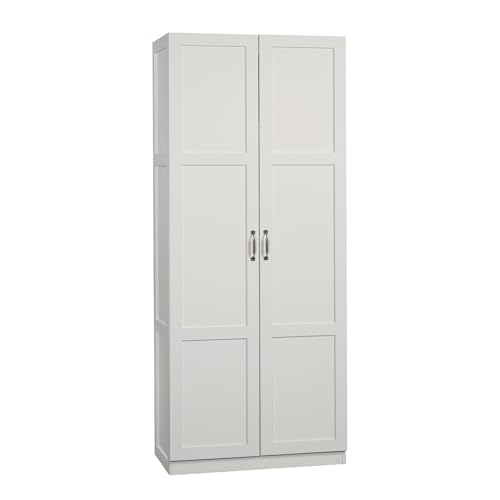


Another advantage I noted is the eco-friendliness associated with many engineered options. The production often utilizes smaller pieces, minimizing waste while maximizing yield. This approach allows for more sustainable practices, appealing to those of us who prioritize both design and environmental stewardship.
Ultimately, incorporating these materials can significantly elevate your interior project, providing both style and substance. I recommend exploring various finishes and textures to find those that fit your vision best, ensuring that your space reflects your unique taste while remaining functional and enduring.
Engineered Materials in Home Design
This type of composite material is created by binding together various wood fibers, strands, or particles with adhesives and resins, allowing for a stable, strong product that resists warping and cracking. It is commonly used in the production of cabinets, tables, and Shelving systems due to its versatility and cost-effectiveness.
Types and Their Applications
Plywood, a well-known variation, consists of thin layers glued together, providing enhanced durability and aesthetic appeal. Medium-density fiberboard (MDF) serves as an excellent choice for intricate designs, as it allows for smooth finishes and precise cuts. Oriented strand board (OSB) is favored in structural applications, known for its strength and affordability.
Benefits Over Solid Timber
The composite nature contributes to resistance against environmental changes, meaning it won’t swell or shrink like solid timber. This attribute ensures longevity and reliability in various settings. Additionally, the availability of this composite allows for more sustainable sourcing practices, utilizing fast-growing species or unused materials, thus lessening the ecological footprint of production.
Understanding the Composition of Engineered Products
To grasp the elements of composite materials, I analyze layers and adhesives. Typically, these structures comprise multiple layers of wood veneers or fibers pressed together under heat and pressure.
Each layer is oriented in different directions, enhancing strength and stability. This cross-directional construction reduces warping and splitting, common issues in solid lumber.
The adhesives used play a significant role in durability. Urea-formaldehyde and phenol-formaldehyde are popular choices, providing strong bonds while maintaining resistance to moisture and temperature variations.
Additionally, incorporating additives can improve resistance to pests and environmental factors, extending the lifespan of these materials. Options like fire retardants can also enhance safety.
Understanding the specifics of these materials helps when selecting options for home or commercial use, ensuring I choose the right balance of aesthetics, durability, and sustainability.
Advantages Over Solid Material
I prefer utilizing composite materials due to their numerous benefits. Cost-effectiveness is a significant factor; these products typically come at a lower price point compared to their solid counterparts, making them accessible for various budgets.
Another advantage is stability. Unlike solid pieces, which can warp and crack with changes in humidity and temperature, layered structures maintain their form over time, leading to greater longevity and less maintenance.
Additionally, sustainability plays a role in my choice. Many of these items are produced using recycled or fast-growing species, contributing to environmental conservation while still delivering aesthetic appeal.
In terms of design versatility, these alternatives can be shaped and finished in various ways, offering a broad range of styles and finishes that may not be feasible with solid lumber.
| Benefit | Description |
|---|---|
| Cost | More affordable than solid timber |
| Stability | Resistant to warping and cracking |
| Sustainability | Often made from recycled materials |
| Design Flexibility | Can be easily molded into different styles |
In summary, my preference for composite materials stems from their affordability, durability, environmental benefits, and design options, making them an attractive choice for various projects and applications.
Common Types of Engineered Materials Used in Furniture
I frequently encounter several popular variants of manufactured timber that are widely used in the creation of stylish and functional pieces. Each type has distinct characteristics that cater to different design needs and preferences.
Plywood
Plywood consists of thin layers of veneer glued together in alternating directions. This composition grants it enhanced strength and stability. It’s ideal for items that require a sturdy structure, such as tables and cabinets.
Particle Board
Made from wood chips, sawmill shavings, and resin, particle board is compressed into sheets. It offers a cost-effective alternative for producing cabinetry and shelving. It’s essential to cover it with a veneer or laminate for better aesthetics and durability.
Medium Density Fiberboard (MDF)
MDF is manufactured from wood fibers bonded with adhesive under heat and pressure. Its smooth surface makes it perfect for painted finishes and intricate designs, making it a go-to for various decorative elements.
Oriented Strand Board (OSB)
This engineered panel consists of strands of wood that are oriented in specific directions and bonded with adhesives. It’s commonly used in structural applications due to its strength, making it suitable for frames and subfloors in larger designs.
Laminated Veneer Lumber (LVL)
LVL is crafted by layering thin wood veneers together with adhesives to create strong, long beams. It’s especially beneficial for heavy-duty constructions like support beams and large pieces requiring added stability.
- Plywood: Strong and versatile; excellent for cabinetry and furniture.
- Particle Board: Affordable and good for indoor environments; best used with coverings.
- MDF: Ideal for detailed designs and finishing; smooth surface.
- OSB: Durable and resilient; suitable for structural elements.
- LVL: Robust; perfect for support structures.
Choosing the right combination of these materials based on your specific requirements can enhance the functionality and aesthetic appeal of your settings. Assessing the strengths and recommended uses of each type will ensure you make informed decisions for your projects.
How Engineered Material is Manufactured
The production of composite materials involves several key stages that contribute to their unique properties. I’ll outline the primary steps involved in transforming raw inputs into finished products.
1. Raw Material Selection
The process begins with selecting suitable raw materials, often comprising wood fibers, strands, or particles sourced from sustainable forests and reclaimed sources. This initial stage is critical as it influences the final product’s quality and characteristics.
2. Preparation and Processing
- Wood fibers undergo drying to remove moisture content, enhancing bonding capabilities.
- These fibers are then mechanically processed into various sizes, depending on the desired durability and texture of the final material.
3. Binding Agents
Subsequently, adhesives or binders are integrated with the raw materials. These compounds may be synthetic or natural and play a pivotal role in providing structural integrity and durability.
4. Forming
- The mixture of fibers and adhesives is spread out and formed into sheets or panels through hydraulic pressure and heat.
- This step can include hot pressing or cold pressing methods, depending on the type of composite being produced.
5. Curing and Finishing
Once formed, the material undergoes a curing process to bond the fibers effectively. This may involve additional heat application or chemical reactions to ensure optimal performance.
6. Quality Control
Finally, thorough testing is conducted to ensure the produced sheets or panels meet specific industry standards for strength, durability, and moisture resistance. Any deficiencies are addressed before the product is deemed ready for distribution.
This manufacturing process allows for consistent quality and performance, making the material a popular choice in various applications. The careful selection of methods and components directly influences the final characteristics of these versatile materials.
Durability and Maintenance of Engineered Wood Furniture
This type of material is designed to withstand wear and tear, making it a strong contender for long-term use in various settings. I recommend opting for high-quality finishes that enhance resistance against scratches and stains, ensuring a longer life for surfaces.
Care Practices
Regular cleaning using a soft, damp cloth helps eliminate dust and debris without damaging finishes. I avoid harsh chemicals, as they can degrade protective coatings. For spills, quick action is essential; I immediately blot the area instead of wiping, preventing moisture from penetrating.
Using coasters and placemats is beneficial in preventing marks and scratches caused by everyday items. I also suggest employing felt pads under objects, which not only protects against scratches but also aids in easy movement of heavier pieces.
Longevity Tips
Maintaining consistent humidity levels in the environment will mitigate expand or contracting issues inherent to this material. Ideally, I keep indoor humidity between 30%-50% to prevent warping or splitting. It’s beneficial to position items away from direct sunlight to avoid fading over time.
Periodically checking joints and connections ensures structural integrity. I recommend tightening loose screws and bolts to keep everything stable. A little preventive maintenance goes a long way in sustaining the lifespan and appearance of these products.
With proper care, this alternative can rival traditional solid pieces, providing aesthetic appeal and functional longevity in my living spaces.
Environmental Impact of Engineered Wood Production
To minimize ecological footprints, I recommend opting for sources that prioritize sustainability in their manufacturing processes. Sustainable practices involve using materials from responsibly managed forests, ensuring that the harvesting does not exceed the regrowth rates.
Lifecycle assessments show that alternatives significantly reduce carbon emissions compared to solid alternatives. Because these products utilize smaller trees and wood by-products, they help conserve larger, older trees, which play crucial roles in carbon sequestration and biodiversity maintenance.
Manufacturing typically requires less energy than solid options. By utilizing adhesives and resins, producers can bond wood fibers, allowing for efficient use of raw materials that would otherwise be discarded. This process leads to a circular economy in the industry, promoting waste reduction.
However, it’s essential to be aware of the emissions associated with adhesives. Low-VOC (volatile organic compounds) options are preferable, as they minimize air pollutants and contribute to healthier indoor environments. Look for certifications like GREENGUARD or CARB to ensure safety and reduced environmental impact.
Recycling capabilities are another aspect to consider. Many products can be reprocessed at the end of their lifecycle, reducing landfill waste. Emphasizing products with recyclability contributes to a circular economy, ensuring that materials are reused rather than discarded.
In summary, selecting responsibly produced substitutes not only aids in forest conservation but also promotes energy efficiency and reduces greenhouse gas emissions, making informed choices crucial for an eco-friendly lifestyle.
Choosing the Right Engineered Wood for Your Furniture Needs
Select a material based on your project requirements, whether it’s for strength, aesthetics, or cost-effectiveness. For heavy-use items, such as tables and desks, high-density fiberboard or plywood with a thick veneer may provide the required durability. On the other hand, particle board is suitable for lighter applications like shelving, where strength is less critical.
Assessing Quality and Finish
When evaluating options, check the surface finish. Veneers can vary significantly in quality; select thicker veneers for better resistance to wear and tear. Additionally, inspect edge banding to ensure it’s properly applied, as this can influence both durability and visual appeal.
Environmental Considerations
Opt for sustainable sources when available. Certifications such as FSC (Forest Stewardship Council) ensure responsible sourcing. Prioritize materials that reuse fibers or have low VOC emissions to minimize the environmental footprint.
FAQ:
What is engineered wood and how is it used in furniture?
Engineered wood, also known as composite wood, refers to a variety of wood products made from various forms of wood fibers, particles, or veneers that are bonded together using adhesives. Common types include plywood, particleboard, and medium-density fiberboard (MDF). In furniture, engineered wood is widely used for its affordability, stability, and versatility. It can be crafted into various shapes and finishes, making it a popular choice for cabinetry, tables, and shelves.
What are the advantages of using engineered wood in furniture design?
One significant advantage of engineered wood is its cost-effectiveness compared to solid wood. It tends to be less expensive while still maintaining a similar appearance. Additionally, engineered wood is more resistant to warping and splitting, which enhances its durability. The versatility in design also allows manufacturers to create furniture that meets a wide range of styles and preferences, making it appealing to consumers.
Are there any environmental concerns related to engineered wood?
There are some environmental considerations associated with engineered wood. While it can be made from recycled wood fibers, the adhesives used in the manufacturing process may contain formaldehyde or other chemicals. It is crucial to look for products certified by organizations like the Forest Stewardship Council (FSC) or CARB (California Air Resources Board), which ensure lower emissions and sustainable practices. Choosing responsibly sourced engineered wood can help alleviate these concerns.
How does the durability of engineered wood compare to solid wood?
Engineered wood is generally considered to be more stable than solid wood because it is constructed from layers or particles that are bonded in multiple directions. This construction helps reduce the risk of warping or cracking due to changes in humidity and temperature. However, solid wood may offer superior strength and longevity when properly cared for. The choice between the two often depends on the specific application and desired aesthetic.
Can engineered wood be refinished or repaired easily?
Refinishing engineered wood can be more challenging than solid wood because of its construction. Many engineered wood products have a thin veneer layer on top, limiting the amount of sanding that can be done before reaching the underlying layers. While minor scratches and dents can often be repaired with wood fillers or touch-up markers, extensive damage may require replacement of the affected piece. Careful maintenance is key to prolonging the life and appearance of engineered wood furniture.


