
 Caleb Turner
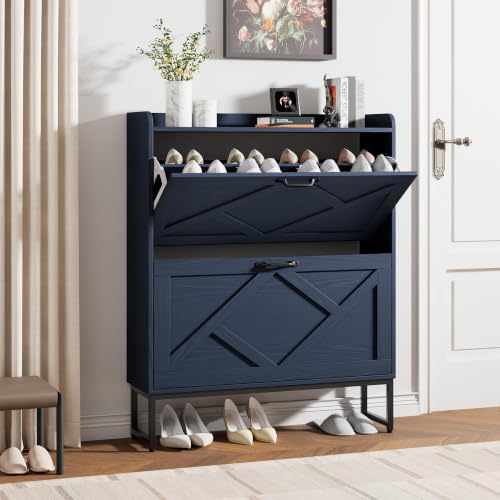
To create a harmonious atmosphere, I recommend opting for shades like soft gray or rich navy for larger pieces. These tones provide a striking yet balanced contrast against light surfaces, enhancing the overall visual appeal. For accents, consider earthy hues such as terracotta or olive green; they bring warmth and a natural element into the setting without overwhelming the space.
Incorporating natural wood tones, from light oak to dark walnut, adds texture and depth that complements a pale backdrop beautifully. The grain and variations in the wood create an organic feel that softens the starkness of a bright environment. Mixing in metallics, like brushed brass or matte black, introduces a contemporary touch that elevates the room’s elegance.
Layering with textiles is equally important. Rich fabrics in jewel tones or muted pastels not only introduce comfort but also inject personality into the scheme. Consider cushions, throws, and area rugs that harmonize with the chosen palette while adding a tactile quality that invites relaxation.
Choosing the Right Hue for Furnishings Against a Pale Backdrop
Opt for deep shades like navy, charcoal, or emerald for a striking contrast. These tones create a captivating focal point and add sophistication to a room.


Light neutrals, such as beige, taupe, or soft gray, offer a subtle and calming effect. They maintain a serene ambiance while still providing warmth and depth.
Rich woods, like walnut or mahogany, introduce natural elements and texture, enhancing the space’s coziness. Pairing these with metallic accents can elevate elegance and modernity.
Incorporate muted pastels–think sage green, blush pink, or powder blue. These gentle hues infuse a playful yet tranquil atmosphere, perfect for creating a relaxed setting.
- Consider black or dark brown for a contemporary edge.
- Shades of red or orange can inject energy; use them sparingly for accent pieces.
- Mix and match textures and patterns to keep the space visually interesting.
Pay attention to the style of the space. For a minimalist look, stick to clean lines and monochromatic tones. In contrast, a bohemian aesthetic benefits from eclectic combinations.
Lastly, don’t forget lighting. Natural light can alter how colors appear. Test samples in various lighting conditions to ensure your choices complement your vision.
Choosing Complementary Colours for Furniture
For a striking contrast, I often opt for deep tones like navy or charcoal. These shades not only balance the brightness of light surfaces but also add a sophisticated flair to the space.
Incorporating natural wood finishes brings warmth and texture. Light woods such as birch or oak harmonize beautifully, while darker woods like walnut create a classic appeal.
Pastels can soften the look; soft pinks or pale blues introduce a gentle touch, allowing the area to feel airy yet inviting.
Metallic accents, like gold or brushed nickel, provide an elegant feel. I find that incorporating these elements in small pieces, like side tables or lamp bases, enhances the overall aesthetic without overwhelming the space.
Consider bolder accents through accessories or statement pieces. A rich green or a vibrant mustard can become focal points while enriching the atmosphere.
Mixing textures also plays a significant role. Velvet or leather paired with cotton or linen creates visual interest and depth, ensuring the space feels layered and inviting.
When selecting hues, I pay attention to the room’s lighting. Natural light can alter perceptions, making certain tones appear different as the day progresses.
Experimenting with swatches in the actual environment allows for better decisions. I often place samples next to each other to visualize the final outcome before committing.
Utilizing Contrast to Enhance a White Wall Space
Opt for dark or rich hues for pieces that will create a compelling contrast against the light backdrop. These shades add depth and sophistication, turning a simple area into a visually striking environment.
Options for Achieving Contrast
- Charcoal or deep navy tones can serve as anchors, lending strength to the overall aesthetic.
- Bold jewel tones, such as emerald or ruby, infuse energy and vibrancy, drawing attention and stimulating interest.
- Natural wood finishes, particularly those with darker stains, enhance warmth while maintaining a modern touch.
Accessories and Accents
Add accents in materials like metal or glass to introduce texture and a contemporary feel. These elements can soften the strong visual impact while maintaining an overall cohesive theme.
- Brass or gold fixtures orchestrate a dialogue between softness and sharpness.
- Glass elements create a sense of space, reflecting light and preventing an overly heavy ambiance.
Integrating contrasting shades not only invigorates the space but also allows for personal expression, making each area uniquely yours. Consider how these suggestions resonate with your vision as you curate your interior.
Timeless Neutrals: Best Furniture Choices
Opt for shades such as taupe, beige, and soft gray to create a warm, inviting atmosphere. These tones blend seamlessly with bright surfaces and add depth to any space. Choose natural woods, like oak or walnut, that enhance this serene aesthetic while providing texture.
Incorporating Soft Textiles
Layer soft fabrics in muted hues. Incorporate elements like plush throws and cushions in shades of ivory or sand to enhance comfort. These accents soften the overall palate and promote a cozy feel.
Implementation of Elegant Patterns
Introduce subtle patterns through your selections. Think about adding geometric or floral prints that include neutral undertones, which will maintain harmony without overwhelming the visual space. This approach allows for personal expression while keeping a balanced look.
End with metallic accents; brushed gold or warm brass fixtures can lend sophistication. These elements reflect light beautifully, contributing to a well-rounded and timeless ambiance.
Incorporating Bold Colours for a Modern Look
For a striking and contemporary aesthetic, consider selecting statement pieces in saturated hues. Shades like deep emerald, royal blue, or vibrant fuchsia can serve as excellent focal points, drawing attention and energizing the space.
To maintain balance, integrate these bold accents through selected items such as chairs, accent tables, or decorative accessories. For example, a rich crimson chair can pop against the neutrality of pale surroundings. Additionally, incorporating patterned textiles or artwork that features similar tones can create a cohesive design without overwhelming the area.
When arranging these vibrant elements, placement matters. Position bold accent items strategically to enhance brightness, such as near windows that allow natural light to reflect off the deep colors, amplifying their impact.
Utilizing large furniture pieces in darker shades alongside smaller, striking accents can also create a dynamic look. For instance, a matte black sofa paired with bright yellow cushions delivers both sophistication and excitement, establishing a modern vibe that feels thoughtfully curated.
| Accent Colour | Recommended Item | Complementary Style |
|---|---|---|
| Emerald Green | Accent Chair | Scandinavian |
| Royal Blue | Ottoman | Contemporary |
| Fuchsia | Throw Pillows | Eclectic |
| Citrine Yellow | Area Rug | Modern |
This approach not only brings excitement to a room but ensures that the surroundings remain versatile and engaging. By carefully choosing bold items, it’s possible to craft a visually stimulating and harmonious environment that reflects personal style while highlighting the elegance of a neutral backdrop.
Texture and Material: Impact on Colour Perception
To create a cohesive environment, selecting textures and materials that enhance the overall aesthetic is key. Natural elements such as wood, linen, and leather can add depth and warmth, counteracting the starkness of a brighter backdrop.
For instance, warm-toned hardwood can introduce a rich, inviting feeling. Pairing it with soft fabrics, like cotton or wool in muted shades, can create harmony that softens sharp lines and edges. Consider using plush cushions or textured throws to add a tactile layer that invites comfort.
Metals like brass or copper can introduce an element of sophistication. Incorporating these finishes in furniture legs, handles, or accents can help balance cooler tones with a touch of shine, creating visual interest without overwhelming the serenity of the lighter setting.
Mixing materials can also transform the perception of space. Combining smooth surfaces with rough textures generates contrast, stimulating the eye while ensuring a balanced look. Think of a sleek glass table paired with a woven rug–this juxtaposition can elevate the ambiance significantly.
Fabric choices influence how colors are perceived due to their capacity for light reflection. Matte surfaces tend to absorb light, appearing softer, while glossy materials reflect it, potentially intensifying hues. Experimenting with these characteristics can help achieve the desired atmosphere.
Finally, layering is an effective approach; using various textures establishes a more dynamic and inviting space. By thoughtfully selecting and combining materials, you can achieve a captivating aesthetic that complements the lightness of your surroundings, creating a harmonious balance that feels both stylish and comfortable.
Creating a Cohesive Theme with Furniture Selection
For a unified look, I recommend selecting items that share a common undertone or finish. Opting for wooden pieces in similar shades can create a seamless transition across the space. For instance, if I have warm-toned oak on my table, pairing it with walnut or cherry items can enhance the aesthetic without clashing.
Add dimension with textiles. Incorporating cushions, rugs, or drapes in harmonious shades or textures allows for layering effects. This is particularly effective when using a mix of fabric patterns and weaves, as it can introduce depth while maintaining a cohesive palette. Consider soft, muted tones that echo the simplicity of the wall backdrop.
Metallic elements introduce sophistication. Bronze, brass, or matte black accents can elevate the overall decor. I find that these materials blend nicely with lighter color schemes, grabbing attention without overwhelming. For example, a gold lamp on a neutral table can serve as a striking focal point while complementing the clearer wall surfaces.
Finally, balancing scale is crucial. Large statement pieces should be countered with smaller accessories to maintain harmony. A sweeping sofa may benefit from delicate side tables, ensuring that no element overshadows another. Attention to scale will help each part of the room feel connected and intentional.
Seasonal Trends: Adapting Furniture Colour Over Time
For autumn, I lean towards earthy tones like warm browns and rust. These hues create a cozy atmosphere, complementing the natural light that remains. Layering textiles in similar shades enhances the seasonal feel. Accessories such as cushions or throws in deeper reds or oranges can add depth.
Winter Inspirations
During winter, I shift to cooler palettes. Deep greens and navy blues bring a sense of calm and tranquility. Fabrics like velvet not only look appealing but also provide a warm touch. Decorative elements like metallic accents can introduce brightness while maintaining elegance against a light background.
Spring Refresh
In spring, I embrace pastel shades such as soft pinks and light blues. These gentle tones breathe freshness into any room. Plants and floral patterns on upholstery enhance this seasonal transition, promoting a lively yet soothing environment.
Summer generally calls for vibrant yellows and teal. The use of bright, cheerful pieces helps capture the essence of the season. Pairing these shades with natural materials like rattan or wicker adds a laid-back, airy feel.
Adapting tones seasonally enriches the overall ambiance, making spaces feel uniquely alive throughout the year. Regular updates keep the aesthetic engaging and reflect personal style across fluctuating trends.
Practical Tips for Test Colour Pairing in Your Space
Select samples and bring them into your room. I often stick swatches directly onto surfaces to see how natural light influences tones throughout the day.
Create a mood board using digital tools or magazine clippings. This visual representation helps me narrow down choices while seeing how different shades interact.
Utilize large paper or cardboard to mimic the size of the items. The larger the representation, the better I can assess how they will appear in the final arrangement.
Arrange test items alongside existing decor. Assessing their compatibility with other elements allows for a more harmonious design.
Take photographs of the test setup. Reviewing images helps me notice details that might be overlooked when viewing in person.
Consider different times of day when testing hues. The play of light can completely alter perception, so I pay attention to morning brightness versus evening shadows.
Invite friends for fresh perspectives. Sometimes, outside opinions reveal insights I might miss in my personal attachment to certain shades.
After a week, revisit the test setups. I often find initial preferences may change as I become accustomed to the hues in my space.
Be patient and willing to experiment. Mixing and matching often leads to surprising outcomes that can truly enhance the environment.
FAQ:
What are some furniture colors that complement white walls?
When choosing furniture to complement white walls, consider colors like soft grey, beige, or light pastels. These colors provide a subtle contrast while maintaining a light and airy feel. Darker shades such as navy blue or charcoal can also work well, adding depth and sophistication to the space. Additionally, natural wood tones, such as oak or walnut, create a warm and inviting atmosphere against white walls.
How can I create a cohesive look with white walls and furniture of different colors?
To achieve a cohesive look with white walls and various colors of furniture, you can use accent colors that tie the pieces together. Incorporate accessories like cushions, rugs, or artwork that feature a common color palette found in your furniture. Also, consider balancing the color intensity; for instance, if you have dark furniture, pair it with lighter accessories to maintain harmony. Using similar materials across different furniture pieces can also help unify the overall design.
Are there any specific styles of furniture that go well with white walls?
Different furniture styles can look great with white walls. Modern furniture with clean lines can enhance the minimalist appeal of white walls, while rustic or farmhouse styles create a cozy ambiance. Mid-century modern pieces with bold colors or patterns also stand out beautifully against white. Ultimately, the key is to select a style that resonates with your personal taste while still allowing the white walls to shine as a backdrop.
What should I consider when choosing bold colored furniture against white walls?
When opting for bold colored furniture against white walls, consider the overall mood you wish to create. Bold colors can serve as focal points, so think about how to balance them within the space. It’s essential to choose complementary accents or décor to avoid overwhelming the room. Also, consider lighting, as natural light can affect how bold colors appear. Ensuring adequate lighting can help showcase your furniture choice effectively and create an inviting atmosphere.
Can I mix and match different furniture colors with white walls?
Yes, you can absolutely mix and match different furniture colors with white walls! This approach can add character and interest to your space. To do this successfully, choose a common theme or color scheme to guide your selections. For example, you might opt for complementary colors or various shades of a particular color. Additionally, maintaining a balance in color intensity and incorporating patterns can help create visual cohesion throughout the room.


