
 Caleb Turner
I recommend exploring each component within this sacred structure to uncover the rich meanings embedded in their design and placement. For example, the altar serves not merely as a functional piece but embodies the essence of sacrifice, highlighting humanity’s need for atonement and communion with the divine.
Consider the table that hosts the showbread; it reflects sustenance and the provision of God, signifying the spiritual nourishment offered to believers. Each piece contributes to a greater narrative, intertwining history, faith, and purpose.
Pay attention to the lampstand, which represents illumination and guidance. Its light symbolizes the presence of the divine among the people, reminding us of the importance of spiritual awareness in daily life. Together, these elements weave a profound tapestry of faith and reflection.
Symbolism Behind Tabernacle Items
Each piece within this sacred structure conveys profound meanings reflecting divine realities. The Ark of the Covenant represents God’s presence and covenant with His people, embodying the relationship of trust and commitment. This chest, covered with a mercy seat, signifies grace and the idea of atonement for transgressions.


The Table of Showbread highlights sustenance and fellowship. The twelve loaves symbolize the twelve tribes, emphasizing God’s provision and communal harmony among His followers. The bread, replaced regularly, showcases the ongoing relationship with the Almighty.
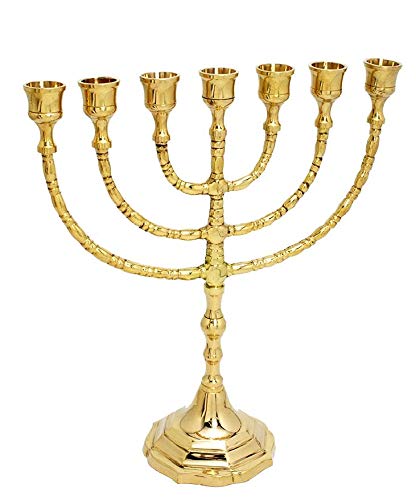
The Golden Lampstand, or Menorah, illustrates light and guidance. Its seven branches represent the perfection of God’s spirit, shedding light on divine wisdom and understanding. This illumination not only serves a practical purpose but also reflects enlightenment through faith.
The Altar of Incense signifies worship and prayer. The rising smoke symbolizes the prayers of the faithful ascending to God, demonstrating the importance of communication with the divine. This altar emphasizes the significance of reverence in spiritual practices.
Understanding these items can deepen appreciation of the spiritual and communal aspects of worship. Each piece serves as a reminder of the connection between the divine and the worshiper, playing a role in the narrative of faith and divine interaction. Recognizing these symbols enriches one’s comprehension of the sacred message conveyed through these artifacts.
Ultimately, these items encapsulate key themes of provision, presence, guidance, and worship, serving not only as historical artifacts but also as ongoing illustrations of spiritual principles in practice.
The Ark of the Covenant: Significance and Symbolism
I find the Ark of the Covenant to be a profound representation of divine presence and pact between God and humanity. Crafted from acacia wood and overlaid with pure gold, this sacred chest serves as a focal point of faith, embodying the relationship between the Creator and His people.
Materials and Design
The choice of acacia wood signifies durability and strength, while the gold signifies holiness and purity. The dimensions of the Ark–2.5 cubits in height and 1.5 cubits in width–mirror an understanding of divine proportion, inviting reflection on balance between the earthly and the heavenly. Ornate cherubic figures on the mercy seat enhance the sense of divine presence; they stand as guardians, representing the angelic realm’s proximity to God.
| Material | Symbolic Meaning |
|---|---|
| Acacia Wood | Durability and strength |
| Gold | Holiness and purity |
| Cherubim | Divine protection and presence |
Covenantal Significance
This Ark holds the tablets of the Law, symbolizing obedience and the ethical framework established by God. It embodies the covenant, representing the agreement that defines the relationship between the Israelites and God. In this light, it’s not simply a container but a constant reminder of commitment and accountability.
Moreover, the Ark’s placement in the Holy of Holies contrasts with the outer sections, emphasizing the importance of sacredness and proximity to the divine. Access to this treasure was highly restricted, illustrating the reverence and fear that God inspired. Thus, I see this chest not just as an artifact but as a living symbol of faith and reverence for the divine connection.
The Table of Showbread: Meaning of the Bread of Presence
In my exploration of the Table of Showbread, or Bread of Presence, I’ve found it rich in meaning and significance. This piece played a central role in the worship practices of ancient communities, reflecting divine sustenance and faithfulness.
Symbolism of the Bread
- The twelve loaves represent the twelve tribes of Israel, signifying unity and the covenant relationship between God and His people.
- This bread, renewed weekly, illustrates the perpetual provision from God, reminding worshippers of His ongoing care and sustenance.
- Positioned in the holy place, the bread serves as a symbol of communion, emphasizing the importance of fellowship and sharing in the divine presence.
Ritual and Practice
- Only the priests could consume this bread, highlighting the sacredness of the items associated with the divine.
- Each Sabbath, fresh loaves replaced the old, signifying renewal and the continual presence of God in their lives.
- The bread was accompanied by frankincense, enhancing the sensory experience of worship and reflecting the fragrant nature of offerings to God.
Through these elements, the Table of Showbread embodies not only sustenance but also a deeper connection and commitment to divine service, engaging worshippers in a profound expression of faith. This piece reminds us of the balance between ritual observance and genuine communion with the Divine. Understanding the intricacies of its symbolism reveals the heart of worship in ancient practices.
The Menorah: Understanding the Light and Its Implications
Recognizing the significance of the Menorah reveals profound meaning in its structure and purpose. This seven-branched lampstand represents divine illumination, serving as a symbol of enlightenment and guidance. In its function, it mirrors the essence of spiritual clarity, shedding light on the sacred space and highlighting the presence of holiness.
Symbolism of Light
Light, as emanated from the Menorah, conveys the notion of revelation. The flames flickering from its branches signify the continuous connection between the Creator and humanity. Each candle burns brightly, so we are reminded of the knowledge and wisdom that life has to offer. The Menorah encourages individuals to seek understanding and insight as they navigate their path.
Connection to Spirituality
Pursuing spiritual growth is inherently linked to the light provided by this sacred object. The illumination from each branch invites introspection, urging believers to reflect on their actions and choices. This luminous source not only brightens surroundings but also inspires deeper connections with faith and the sacred. The Menorah serves as a guiding beacon, directing hearts and minds towards divine truths.
The Altar of Incense: What It Represents in Worship
The Altar of Incense embodies the connection between humanity and divinity, serving as a crucial element in worship practices. Its use of incense highlights the importance of prayers ascending toward the heavens, symbolizing the faith of the worshippers. The fragrant smoke rising from this altar signifies the contemplation and devotion offered to God.
This altar, often positioned just before the veil separating the holy of holies, emphasizes the approach to the sacred. Its placement signifies the transition from the everyday to the spiritual, underlining a direct path toward divine presence. This act of burning incense reflects an intentional offering, marked by reverence and purity.
Within worship, the altar represents a space for intercession and gratitude. The aromatic substances used indicate the sweet aroma of devotion, creating an atmosphere conducive to spiritual engagement. It reminds practitioners that their petitions, thanks, and confessions are acknowledged in the heavenly realm.
In essence, the Altar of Incense transforms acts of worship into fragrant offerings, revealing the intimacy of relationship with the divine. Through this representation, it encourages believers to maintain a continuous dialogue with God, urging them to keep their hearts and minds attuned to spiritual matters.
The Bronze Altar: Symbolism of Sacrifice and Atonement
The Bronze Altar stands as a profound reminder of the cost of sin and the means of reconciliation. This structure, primarily made of bronze, manifests the necessity of sacrifice for forgiveness and restoration. As I reflect on its role, several key aspects emerge.
<h3.Role as a Sacrificial Site
- Central to atonement rituals, it served as a site where offerings were made to God.
- Animals were sacrificed here, symbolizing the gravity of sin and the requirement for a substitute to bear the consequences.
- The smoke rising from these burnt offerings illustrates the idea of prayer ascending to heaven, connecting the earthly with the divine.
<h3.Implications of Blood
- Blood played a critical role in the sacrificial process, representing life and the seriousness of sin.
- Spilling blood on the altar underscored the concept of life given for life, emphasizing the need for an innocent substitute.
- Each sacrifice illustrated the ultimate act of love and mercy, paving the way for atonement.
The Bronze Altar acts not only as a historical artifact but also conveys enduring truths about redemption and grace. Through its symbolism, I see a call to acknowledge the weight of sin while embracing the hope and restoration available through sacrifice.
The Laver: The Importance of Cleansing and Purity
Positioned strategically between the bronze altar and the holy place, the laver serves a vital role in the purification process. Its presence emphasizes the significance of ritual cleanliness for those entering sacred spaces, underscoring the necessity of preparing oneself before approaching the divine.
<h3 Symbolism of Cleansing
The laver, often crafted from polished bronze, represents the concept of washing away impurities. Water housed within it signifies the cleansing that must occur before performing priestly duties. This act is not merely physical but also metaphorical; it suggests the need for inner purity and readiness to engage in holy service. Each officiant would wash their hands and feet, signifying a complete dedication to remaining untainted in both actions and thoughts during sacred rituals.
<h3 The Role of Reflection
Interestingly, the reflective surface of the bronze used in the laver allows for introspection. As one gazes into it while washing, it becomes a moment to confront personal failings and the need for spiritual renewal. This act of self-examination reinforces the call to a higher standard of moral integrity, aligning closely with the spiritual journey that each participant undertakes in their worship.
The Curtains and Coverings: Their Role in Setting Apart the Holy
To comprehend the significance of curtains and coverings, I analyze their purpose in distinguishing sacred space. The materials used–fine linen, goat hair, and ram skins–reflect purity and divine glory. Each layer contributes to a profound sense of separation between the holy and the ordinary.
Fine linen signifies righteousness and holiness, creating a barrier that protects the sanctity of what lies within. It serves not only as a veil but also as a reminder of the purity required to approach the divine. Goat hair offers durability, symbolizing the strength and resilience needed in worship and devotion.
Ram skins dyed red imply sacrifice and redemption, echoing themes central to spiritual communion. This vivid color speaks to the atoning nature of worship, drawing attention to the underlying themes of sacrifice found throughout the sacred structure.
Moreover, the blue, purple, and scarlet yarn woven into the curtains reflects royalty and divine majesty, emphasizing the connection between the heavenly realm and earthly existence. These rich colors not only enhance the aesthetic appeal but also convey deep spiritual truths about God’s presence.
The arrangement of these coverings plays a pivotal role in cultivating an atmosphere of reverence. It sets apart the inner sanctum, inviting worshippers to recognize the significance of boundaries in approaching the divine. The multiple layers create both a physical and symbolic barrier, highlighting the importance of preparation and respect when entering such a holy space.
Understanding these coverings deepens my appreciation for the intricate design of worship. They serve as constant reminders of the need for purity, sacrifice, and reverence in my approach to the sacred. Ultimately, their combined elements powerfully signify the distinctive nature of the divine, enhancing the experience of worship through thoughtful separation.
The Overall Layout: Significance of the Tabernacle’s Design
The arrangement and design of this sacred space reveal profound spiritual truths. The separation between the Holy Place and the Most Holy Place highlights the divine presence and the need for ritual purity to approach God. This architectural distinction serves as a reminder of the holiness required in worship and the reverence owed to the Creator.
Additionally, the dimensions and materials used reflect a deliberate choice to signify importance. Gold, silver, and bronze are employed strategically, symbolizing purity, value, and humility respectively. The encampment layout, with the tabernacle at the center, emphasizes God’s desire to dwell among His people, illustrating His accessibility amidst their journey.
Furthermore, the orientation of the entrance aligns with the east, directing attention toward the rising sun, which can symbolize hope and divine illumination. This placement invites worshipers to approach with anticipation of encountering God’s light and presence.
Each part, from the outer court to the inner sanctum, serves not only a functional purpose but also conveys layers of meaning. The materials, dimensions, and directional aspects craft a narrative, binding together the physical space and spiritual significance as a whole, enhancing one’s understanding of worship dynamics. Following these insights, we recognize how much thought was invested, creating a model for approaching holiness and divine relationship within the community.


