
 Caleb Turner

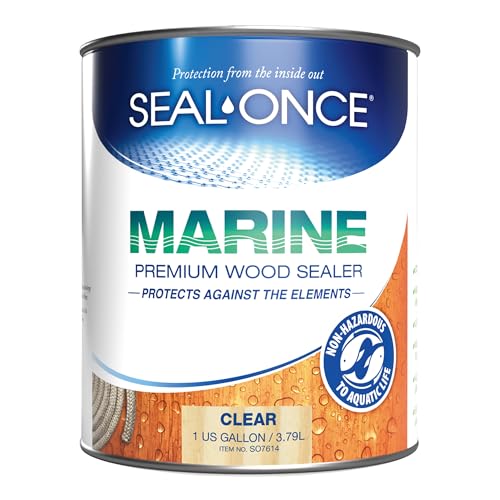
Apply a high-quality sealant designed specifically for wood surfaces. This will create a barrier against moisture and harmful elements. Make sure to choose a product that contains UV protection to prevent fading and damage from sunlight exposure.
Before sealing, ensure the surface is clean and dry. Sanding the wood lightly can improve adhesion, allowing the sealant to penetrate effectively. Pay attention to any cracks or joints, filling them with wood filler to provide a smooth surface for application.
After applying the sealant, allow it plenty of time to cure according to the manufacturer’s instructions. Reapply the sealant at least once a year to maintain its protective qualities and extend the lifespan of your beloved pieces.
Protecting Your Garden Seating
I recommend selecting a high-quality sealant specifically designed for exterior surfaces. Apply it with a brush or sprayer to ensure even coverage. Make certain to cover every nook and cranny of the pieces, focusing on joints where moisture can accumulate.


Maintenance Routine
Regular checks are necessary. Every six months, inspect for any wear or damage and reapply the sealant if needed. Keeping furniture clean enhances the protective layer; simply use mild soap and water, avoiding harsh chemicals.
Consider Natural Oils
Another method involves using natural oils such as teak or linseed. They penetrate deeply and provide a barrier against moisture. Ensure to wipe off any excess to prevent a sticky surface. This approach not only protects but also enhances the grain’s appearance.
Choosing the Right Finish for Your Furniture
Select a finish based on the specific conditions your pieces will face. Oily products like teak oil or tung oil infuse the grain and provide moisture resistance while enhancing natural texture. I prefer these for their ease of application and deep penetration.
For surfaces that require a stronger defense against the elements, consider polyurethane or spar varnish. These create a durable layer that seals the wood effectively. If you want a glossy finish, opt for marine-grade varnish–it’s formulated to withstand harsher environments.
- Consider matte finishes for a more natural look; they can hide minor imperfections.
- Use semi-gloss for a balance between shine and durability.
- High-gloss options offer the most protection but require more maintenance to prevent scratches.
Test samples on small areas before committing to a type. This step ensures compatibility with the wood species and desired aesthetic. Always read the manufacturer’s instructions for application and curing times, as these can vary significantly between products.
- Choose the finish based on exposure level.
- Consider color additives or tints for personalization.
- Reapply regularly to maintain protection and appearance.
Finally, always prioritize eco-friendly options when available. Water-based formulas minimize harmful emissions and offer easier clean-up while still providing excellent results. This choice reflects a responsible approach toward both the environment and the longevity of your items.
Preparing the Wood Surface for Treatment
I always begin by cleaning the surface meticulously. This step removes dust, dirt, and any existing finishes. I use a mixture of warm water and mild soap along with a soft brush to scrub the surface gently. Afterward, I rinse thoroughly and let it dry completely.
Next, I examine the wood for any imperfections such as cracks, splinters, or rough spots. If I find any, I sand the surface using fine-grit sandpaper to create a smooth finish. This not only enhances the aesthetics but also helps the protective layer to adhere better.
Once the sanding is done, I vacuum the area or use a clean, damp cloth to pick up any dust particles left behind. It’s crucial that the surface is clean to ensure a strong bond with the treatment. I also check for any signs of mold or mildew, and if necessary, apply a solution designed to eliminate these issues before proceeding.
Finally, allowing the wood to fully dry is important before applying any coating. I ensure it’s in a shaded area to prevent rapid drying, which can lead to new issues like warping or cracking. This thorough preparation is essential for achieving long-lasting results.
Applying Waterproof Sealers: Step-by-Step Guide
Gather all necessary materials before beginning the application. You’ll need a high-quality sealer, a clean cloth or brush for application, sandpaper, and protective gear like gloves and a mask.
Step 1: Clean the Surface
Start by thoroughly cleaning the item. Remove dirt, debris, and any old finishes using a damp cloth. Allow it to dry completely before proceeding.
Step 2: Sand the Wood
Use sandpaper to smooth the surface, enhancing adhesion for the sealer. Start with a coarser grit and finish with fine grit, ensuring the surface is even and free from imperfections.
Wipe away any dust created from sanding with a damp cloth. This ensures proper bonding of the sealer to the surface.
Step 3: Apply the Sealer
Pour the sealer into a clean container. Using a brush or cloth, apply a thin, even layer to the surface, following the wood grain. Work in sections to maintain control and prevent uneven application.
Allow the first coat to dry as per the manufacturer’s instructions. Depending on the product, this might take several hours.
Step 4: Apply Additional Coats
Once the first coat is dry, lightly sand the surface again to ensure good adhesion for the next layer. Clean off any dust. Apply a second coat in the same manner as the first. For maximum protection, consider applying a third coat.
After the final coat, allow the item to cure for the recommended time before use. This step is crucial to ensure the sealer effectively protects the surface against moisture and wear.
Regular maintenance is key; reapply the sealer annually or as needed based on wear and exposure.
Maintaining the Waterproof Barrier Over Time
Inspect surfaces regularly, looking for signs of wear or damage. Check for peeling, flaking, or discoloration, which indicates that the protective layer is compromised. Depending on exposure to the elements, a fresh coat of protective finish may be necessary every 1 to 3 years.
Restoration Steps
If deterioration is noted, follow these steps to restore the barrier:
- Clean the surfaces thoroughly with a mild detergent and water to remove any dirt, mold, or mildew.
- Allow the surfaces to dry completely before proceeding.
- Sand the affected areas lightly to promote adhesion of the new layer.
- Apply a high-quality sealant, following the manufacturer’s instructions for drying time and application techniques.
Seasonal Maintenance Tips
Consider these tips for maintaining protective barriers throughout the year:
| Season | Maintenance Task |
|---|---|
| Spring | Inspect for winter damage; clean and reapply protective coatings if needed. |
| Summer | Monitor for signs of excessive sun damage; consider reapplication if fading occurs. |
| Fall | Clear debris and leaves to prevent moisture retention; inspect for mold or mildew. |
| Winter | Store items indoors if possible; cover with breathable tarps to prevent moisture buildup. |
Consistent upkeep enhances durability and extends the lifespan of your items. Regular attention will ensure they remain in optimal condition and resist environmental effects.
Testing for Water Resistance: Simple Methods
I begin by conducting a simple drop test using a few drops of water. Place droplets on the surface and observe how they behave. If they bead up and remain on top, the barrier is likely effective. If they soak in quickly, a treatment may be required.
An alternative method involves utilizing a sponge soaked in water. Gently press it against the surface for several seconds. If any moisture seeps through, this signals the need for additional protection.
I also recommend checking the furniture after a rainfall. Inspect for signs of wetness or discoloration, as these indicate poor resistance. Wipe the surface after the rain and look for unabsorbed water pooling.
<p For a more comprehensive evaluation, I suggest leaving a small container of water on the surface for a few hours. If any moisture penetrates to the underside, the existing treatment is inadequate.
Finally, assess the longevity of the applied sealants by monitoring them over time. Regular inspections help ensure that the protective layer remains intact and functional.
Dealing with Mold and Mildew on Wooden Pieces
Begin treatment by removing the affected items from any damp area. Inspect for signs of mold or mildew, which often appear as dark spots or fuzzy patches. For light infestations, a solution of equal parts white vinegar and water works effectively to eliminate spores. Spray the mixture onto the infected areas, then scrub gently with a soft-bristle brush. Rinse with a damp cloth and allow the wood to dry completely in a well-ventilated space.
For Heavier Infestations
Use a commercial mold remover specifically formulated for natural materials. Always follow manufacturer instructions and apply in well-ventilated areas. Ensure you wear gloves and a mask to protect yourself from spores and chemical exposure. After application, rinse thoroughly with water and wipe down with a clean cloth. Once treated, allow the item to dry entirely before proceeding with any protective coatings.
Preventive Measures
To inhibit the growth of mold and mildew, ensure furniture is placed in areas with good airflow and reduced humidity. Consider using fans or dehumidifiers in enclosed spaces. Regularly clean and maintain the surfaces to avoid accumulation of moisture and organic material that can harbour fungal growth. Inspect items frequently, especially after rain or high humidity periods.
Understanding the Impact of Weather on Treatments
Rain, sun, and temperature fluctuations significantly influence the longevity and performance of coatings. For effective protection, choose treatments designed for specific climatic conditions. In humid regions, opt for breathable finishes that allow moisture to escape, preventing trapped dampness. Conversely, in arid climates, UV-resistant products are paramount to shield against sun damage.
Temperature extremes can also affect application. If working in cold weather, ensure the chosen product remains viable at lower temperatures to prevent improper curing. On the flip side, high heat can cause finishes to dry too quickly, leading to inadequate adhesion.
Moisture levels play a crucial role before application. It’s advisable to check humidity using a hygrometer; applying products in high humidity can hinder proper penetration and bonding. Additionally, exposure to rain soon after application can wash away treatments, reducing effectiveness.
Selecting products formulated to withstand local weather patterns will yield the best results. Regular monitoring and timely reapplication based on seasonal changes will prolong the lifespan of the protective barriers, ensuring ongoing defense against environmental wear and tear.
Tips for Storing Furniture During Inclement Weather
Secure any cushions or removable components in a dry location to prevent moisture retention and damage.
Use a weather-resistant cover tailored to fit your items. This prevents direct exposure to rain, snow, and UV rays.
Best Storage Practices
- Select a shaded area, such as a garage, shed, or basement, to protect against temperature fluctuations.
- If storing outdoors, elevate items off the ground to avoid contact with damp surfaces.
- Ensure ventilation in storage areas to deter musty odors and prevent mold growth.
Preparation Before Storage
- Clean each piece thoroughly to remove dirt and debris that can trap moisture.
- Inspect for any pre-existing damage, making repairs as needed to maintain integrity.
- Apply a conditioning oil to nourish the fibers and create a protective layer against the elements.
Regular checks during harsh conditions ensure that any issues are addressed quickly, extending the life of your possessions.


