Caleb Turner
If you want to breathe new life into your antique timber treasures, begin with a gentle cleaning using a mix of warm water and mild soap. A soft cloth or sponge can eliminate years of dust and grime without damaging the finish. Avoid soaking the wood, as moisture can lead to warping and further degradation.
After cleaning, I recommend applying a specially formulated wood conditioner or mineral oil. This will help restore moisture and enhance the natural beauty of the grain. Be sure to follow the instructions for the product, as over-application can lead to an oily residue.
If you encounter scratches or small dents, fine sandpaper can be utilized to smooth the surface before reapplying the conditioner. For deeper imperfections, consider using a wax filler that matches the color of the piece. This not only conceals flaws but also adds a layer of protection.
Lastly, positioning your vintage items away from direct sunlight and using coasters will prevent further damage. Regular maintenance, such as dusting with a soft cloth and occasional reconditioning, will keep these cherished possessions looking their best for years to come.


Assessing the Condition of Your Furniture
Examine closely for any signs of damage or wear. Look for cracks, dents, or loose joints that may need attention. Pay special attention to the legs and corners, as these areas are prone to stress and may show signs of instability.
Surface Inspection
Run your fingers over the surface to detect scratches or rough patches. A fine grainy texture can indicate deterioration of the finish, while noticeable scratches may require sanding or refinishing. If you spot discoloration, this may suggest previous exposure to moisture or sunlight.
Structural Soundness
Gently shake or rock pieces to ascertain their stability. Listen for any creaking sounds that could signify loose joints. Tightening screws or using wood glue can address minor issues. For further structural integrity, assess the overall framework to ensure it’s solid and not compromised by pests or rot.
Choosing the Right Cleaning Products
For maintenance, I opt for gentle cleaners specifically designed for antique and delicate surfaces. Here’s a table of recommended products that I find effective:
| Product | Type | Use |
|---|---|---|
| Murphy Oil Soap | Liquid | Great for cleaning without leaving residue. Mix with water for optimal results. |
| Mineral Spirits | Solvent | Effective for removing old finishes and grime. Always test on a small area first. |
| Pledge | Aerosol | Leaves a protective layer and enhances shine. Ideal for regular dusting. |
| Baking Soda | Powder | Can be mixed with water to create a paste for tough stains. Non-toxic option. |
| White Vinegar | Liquid | Natural cleaner that helps remove odors and stains. Dilute with water. |
I avoid acidic or abrasive cleaners, as they can damage protective finishes. Choosing biodegradable options also aligns with my values for sustainability. Reading labels to ensure compatibility with my piece’s finish is a must. Regular dusting with a soft, lint-free cloth helps maintain their charm without aggressive chemicals.
Removing Old Finish and Paint Safely
I recommend using a biodegradable paint stripper for removing previous coatings. This choice minimizes harmful fumes and is less damaging to the underlying surface. Ensure you work in a well-ventilated area while wearing gloves, goggles, and a mask for safety.
Start by testing the stripper on a small, hidden area. Apply it according to the manufacturer’s instructions and monitor the reaction. After the product has done its job, use a plastic scraper to gently lift away the loosened finish. Avoid metal tools that could scratch the surface.
For stubborn spots, reapply the stripper and allow it to penetrate further. When most of the finish is removed, wipe the area with damp rags to eliminate any residue. Once clean, give it time to dry completely.
If paint is present, consider using a heat gun for additional effectiveness. Keep the gun moving at a safe distance to prevent burning the material. As the paint bubbles, scrape it away carefully.
After removing the previous coatings, a light sanding with fine-grit sandpaper helps smooth the surface. This step prepares it for new protection while removing any lingering finish. Complete the process by vacuuming up dust and wiping the area with a damp cloth.
Repairing Scratches and Dents in Wood
For scratches on the surface of my cherished pieces, I use a few practical techniques:
- Walnut Method: Rubbing a walnut half over the scratch fills in the gap with natural oils and pigments, helping to disguise the blemish.
- Toothpaste Trick: A small dab of non-gel toothpaste on a soft cloth allows gentle polishing, which can diminish minor scratches.
- Brown Crayon Repair: If the damage is deeper, matching the crayon color closely to the finish and applying it into the scratch followed by buffing can work wonders.
For dents, these actions have proven successful:
- Steam Method: Placing a damp cloth over the dent and using a hot iron for short intervals creates steam that lifts the wood fibers, restoring the surface.
- Wood Filler: For significant indentations, applying a wood filler that matches the original finish can effectively restore the appearance.
- Sanding: Lightly sanding around the dent with fine-grit paper before applying a finish might be necessary for deeper issues.
After any repair, applying a suitable finish blends the area with the rest of the surface. Patience in this process yields beautiful results, enhancing the character of each piece.
Staining for a Fresh Look
After preparing the surface, I decide on a suitable stain color that complements the existing decor. Testing a small, inconspicuous area is crucial to see how the stain interacts with the grain. I use a clean cloth or foam brush to apply the stain in the direction of the grain, ensuring even coverage without excess pooling.
Multiple Coats for Depth
If I aim for a richer tone, I apply multiple coats, allowing sufficient drying time between each application as recommended by the manufacturer. Light sanding between coats with fine-grit sandpaper enhances adhesion and smoothness, providing a more refined finish.
Sealing for Longevity
Once satisfied with the color, sealing the stained surface is essential. I choose a durable topcoat, such as polyurethane or a clear varnish, to protect against scratches and moisture. Applying the sealant with a clean brush minimizes bubbles, achieving a sleek appearance. I always follow the drying instructions to ensure a flawless and enduring result.
Applying Durable Finish Options
Selecting a long-lasting finish is critical for preserving the aesthetic and structural integrity of vintage pieces. Here are my preferred methods:
- Polyurethane: This product offers excellent durability and moisture resistance. Available in both water-based and oil-based formulations, I apply it using a high-quality synthetic brush, ensuring even coverage.
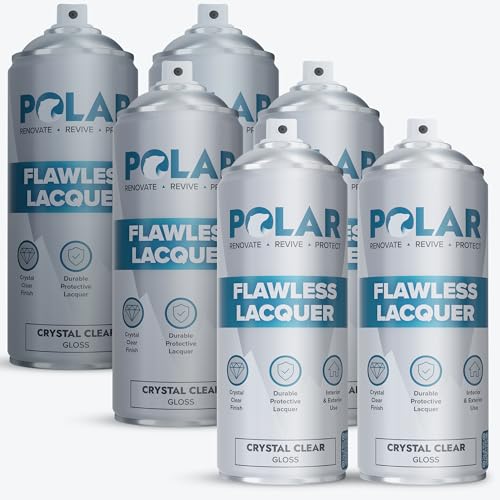
- Lacquer: Known for its fast-drying properties, lacquer provides a hard finish with a high gloss. I recommend spraying it for a smooth application. Multiple thin coats yield the best results, allowing for proper drying in between.
- Tung Oil: I appreciate this natural option for its ability to penetrate deeply. It enhances wood grain while providing a warm finish. Multiple applications may be necessary to achieve the desired sheen, with buffing in between coats.
- Shellac: Ideal for interior pieces, shellac dries quickly and is easy to repair. I often use it as a base for other finishes, providing a barrier that protects against moisture.
For application, I always ensure a clean, dust-free surface. The environment should be well-ventilated to avoid issues with fumes. I apply the finish using a brush or spray, depending on the chosen product. Layering is key; multiple thin coats often yield a more resilient outcome than one thick layer.
After finishing, I allow ample drying time before using the piece. This ensures that the finish cures properly, extending the longevity of the results.
Maintaining and Protecting Treated Items
I regularly apply a light coat of wax to surface for protection against moisture and spills. This not only enhances the appearance but also forms a barrier that guards against daily wear. Use a soft cloth to buff the surface, ensuring an even distribution.
Regular Dusting
I keep a microfiber cloth handy for frequent dusting, as it traps particles without scratching. A soft brush can also reach crevices where dirt tends to accumulate. This routine prevents buildup and preserves the finish.
Humidity Control
To prevent warping or cracking, I maintain stable humidity levels. Using a humidifier during dry seasons helps keep the environment pleasant. Additionally, placing items away from direct sunlight and heat sources reduces the risk of fading and damage.
Identifying Professional Restoration Services
Research local services specializing in antique restoration and repairs. Verify credentials by checking for certifications from recognized organizations, such as the American Institute for Conservation.
Request recommendations from reputable vintage shops or galleries, as these businesses often collaborate with skilled restorers. Examine online reviews to gauge previous customer satisfaction and service quality.
Once potential candidates are identified, schedule consultations. During these meetings, ask specific questions about their experience with similar projects, and request to see a portfolio showcasing their previous work.
Inquire about their processes and materials used for restoration to ensure they match your expectations for quality and authenticity. Be clear about your vision and ask how they plan to maintain the piece’s historical integrity.
Obtain a detailed estimate before proceeding. Ensure it outlines the scope of work, materials, and timeframes to avoid unexpected costs during the project.
Finally, establish clear communication for updates throughout the restoration, allowing you to remain informed about the progress and any potential changes required along the way.