
 Caleb Turner

To eradicate unwanted insects from your household items, I recommend using high heat. Transfer your affected belongings into a heat-resistant bag or container and expose them to temperatures exceeding 122°F (50°C) for at least 30 minutes. This method ensures that any hidden invaders are eliminated effectively.
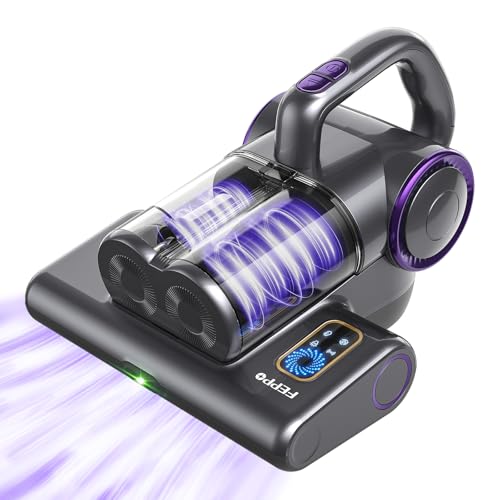
In addition, vacuuming your belongings thoroughly is crucial. Focus on seams, cracks, and crevices where these creatures tend to hide. After vacuuming, dispose of the vacuum bag outside the living area to prevent re-infestation.
Another technique involves using diatomaceous earth. This natural powder can be sprinkled around areas where you’ve noticed activity. It works by dehydrating the invaders upon contact. Ensure you apply it to dry areas and follow up with a clean sweep to maintain effectiveness.


Finally, consider encasing your items in protective covers. Encasements designed for mattresses and upholstery offer a reliable barrier against reinfestation. A combination of these methods will significantly increase your chances of restoring your household items to a pest-free state.
Treatment Techniques for Infestations in Upholstered Items
Steam application effectively eliminates many hidden pests within various textiles. Ensure the temperature reaches at least 130°F (54°C) for adequate results. Target seams and crevices, as these areas harbor the greatest concentrations.
High-Temperature Wash
Wash removable covers and any small items found on seating using hot water. A cycle at 140°F (60°C) will suffocate tiny intruders. Consider using the dryer on a high setting for 30 minutes for additional assurance.
Vacuuming and Sealing
Regular vacuuming using a vacuum with a HEPA filter removes debris and potential hiding places. Pay attention to cracks and corners. After vacuuming, immediately dispose of the bag or empty the canister outside to prevent reinfestation.
- Seal cracks and crevices with caulk or other appropriate sealants.
- Encasements can provide a barrier on mattresses and pillows, deterring invasions.
Chemical applications, if necessary, should be used sparingly. Always adhere to safety instructions. Consider consulting a pest control specialist for products tailored to your situation.
Identifying Signs of Bed Bugs on Furniture
Look for small, reddish-brown stains on upholstery, which may indicate the presence of these pests. These stains are often remnants of digested blood or excrement. I recommend checking seams and crevices closely.
A distinct musty odor can also signal an infestation. Inspect your seating areas and storage pieces for this unique scent; it often becomes more noticeable as the population grows.
Visual Indicators
- Live insects: Inspect for tiny, flat, and oval creatures, especially during nighttime when they are more active.
- Molted skins: Look for shed exoskeletons, which may be found in the same areas where insects are located.
- Eggs and larvae: Tiny white eggs, often found in clusters, can be a clear indication of a growing issue.
Practical Steps
Perform a thorough examination of your items regularly, particularly in areas where people sleep or relax. Pay extra attention to:
- Under cushions and within seams.
- Behind headboards and along the walls adjoining beds.
- Inside drawers and storage compartments.
Early identification leads to quicker resolution, so being diligent can save time and hassle later on.
Preparing Furniture for Treatment
I recommend removing all items like pillows, blankets, and clothing from surfaces before starting the extermination process. Placing these items in sealed bags keeps them safe from further infestation.
Cleaning Process
Thoroughly vacuum all surfaces, including cracks and crevices. Use a vacuum with a HEPA filter to capture any hidden pests. Dispose of the vacuum bag immediately outside your home to prevent re-infestation.
Wipe down solid surfaces with a damp cloth to eliminate debris. Focus on areas where the pests are likely to hide, such as joints, seams, and under cushions. If applicable, steam clean the upholstery; the high temperature can effectively kill any remaining insect life.
Inspecting and Preparing for Treatment
After cleaning, inspect each piece closely. Look for any signs of infestation, such as shed skins or dark spots. If possible, disassemble parts to access hidden spots. This step is vital in ensuring that no potential hiding places are overlooked.
Lastly, before applying any products, ensure the area is well-ventilated. I advise moving the items away from walls to allow better access for treatments. This preparation significantly enhances the effectiveness of the next steps in eradicating unwanted intruders.
Choosing the Right Insecticides for Furniture
Opt for products containing pyrethroids, as they disrupt the nervous system of the target insects effectively. I recommend checking labels for active ingredients like bifenthrin or deltamethrin. These compounds have proven efficacy and low toxicity levels for humans and pets when used correctly.
Look for formulations designed for indoor use, specifying compatibility with various materials. Aerosol sprays offer convenience and reach, but remember to follow safety guidelines. Always test a small, inconspicuous area first to ensure no damage occurs.
Consider dust insecticides for cracks and crevices. Products containing diatomaceous earth can be highly effective as well, utilizing a natural substance that dehydrates and kills insects upon contact.
Rotate different insecticides to prevent resistance buildup within pest populations. Combining residual treatments with immediate-action products could enhance results. Always apply treatments in a well-ventilated area and allow sufficient drying time before reintroducing items into living spaces.
Ensure to store any leftover pesticide securely, away from children and pets, to prevent accidental exposure. Keeping accurate records of types and timings of applications can aid in future efforts and adjustments needed for comprehensive control.
Applying Heat Treatment to Furniture
I utilize high-temperature methods to eliminate unwanted pests in upholstered items and wooden structures effectively. Achieving a temperature of 118°F (48°C) for at least 90 minutes ensures that any remaining insects and their eggs succumb to the heat. Heat can be applied through specialized heating devices or even using commercial steamers where practical.
Before starting the process, I ensure the environment is prepared. I remove any items covering the target areas and ensure proper ventilation. It’s crucial to monitor the temperature in each section consistently, as variations can occur in thicker materials. Placing thermometers in strategic spots aids in achieving an even heat distribution.
For smaller pieces, I place them in a sauna-like environment, ensuring the air temperature reaches and sustains the required level. Sealing items in plastic bags can enhance efficiency by trapping heat while preventing cooler air from entering.
I pay close attention to seams and crevices, often where these invaders hide. The combination of both direct heat application and insulating practices enhances the chances of complete eradication. Repeating the process after a week can help ensure any missed stages are caught and eliminated.
Finally, I recommend thorough inspections post-treatment to confirm that no signs remain. Proper disposal of infested items, if necessary, should follow strict guidelines to avoid re-infestation.
Using Vacuuming Techniques for Bed Bug Removal
I recommend employing a vacuum with a HEPA filter to eliminate unwanted pests effectively. This type of vacuum traps tiny particles, significantly reducing the risk of re-infestation. Start by vacuuming all surfaces thoroughly, focusing on seams, crevices, and any nooks where these critters could hide.
Be diligent about cleaning cushions, backrests, and the undersides of items. Use attachments designed for upholstery and corners to access hard-to-reach areas. A wide nozzle can help cover larger surfaces quickly and effectively.
It’s crucial to move slowly while vacuuming to ensure no small insects escape. After vacuuming, seal the contents of the vacuum bag tightly to prevent any captured nuisances from escaping back into your home.
Consider vacuuming daily for a week after initial treatment to ensure that any remaining individuals are eliminated. Dispose of the vacuum bag in an outdoor trash bin to maintain a pest-free space.
| Tip | Description |
|---|---|
| HEPA Filter | Use a vacuum equipped with a HEPA filter to trap small particles and prevent reinfestation. |
| Thorough Cleaning | Focus on seams, crevices, and undersides of items to capture hidden pests. |
| Slow Movement | Vacuum slowly to ensure no pests escape during the cleaning process. |
| Daily Vacuuming | Clean surfaces daily for one week after treatment to eliminate any remaining insects. |
| Proper Disposal | Seal vacuum bags and dispose of them in outdoor garbage to avoid re-infestation. |
Sealing and Protecting Treated Items
After addressing any infestations, my next step involves sealing and safeguarding the items to prevent reintroduction of pests. I recommend using high-quality encasements specifically designed for mattresses and cushions. These barriers create an impenetrable shield against any sneaky intruders while allowing adequate airflow.
Utilizing Covers
Invest in tightly fitting covers that encompass every aspect of the treated pieces. Ensure they are zippered completely to eliminate gaps. Regularly inspect these covers for any signs of wear or damage, and replace them if necessary to maintain their protective qualities.
Regular Maintenance
Incorporate routine cleaning into your maintenance schedule. I suggest vacuuming regularly, as this helps capture any potential hidden pests. Maintain a clean environment around these items, as clutter can provide hiding spots for unwanted guests. Additionally, utilizing a dehumidifier can help discourage any pest activity since these creatures thrive in humid conditions.
Lastly, I keep an eye on new acquisitions. Inspect any incoming pieces meticulously before bringing them into my space, ensuring they pose no threat of re-infestation.
Regular Maintenance to Prevent Infestations
I regularly inspect all upholstered items and mattresses for any signs of pests, focusing on seams and crevices where they may hide. Thorough cleaning sessions should occur weekly, including vacuuming every corner, under cushions, and behind appliances. This limits potential breeding sites.
Implementing protective covers on mattresses and cushions creates a barrier which makes it harder for these unwanted guests to establish a home. I frequently wash these covers in hot water to maintain their effectiveness.
Storage Tips
Using sealable containers for clothing and linens is crucial. I avoid clutter in storage areas since this can provide hiding spots for infestations. Regularly check stored items and clean storage spaces to keep them free of potential threats.
Monitoring Techniques
I place sticky traps in various locations to help catch any roaming insects. This detection method assists in identifying issues before they escalate. Keeping an eye on these traps can inform me about any resurgence in activity, allowing for prompt action.


