
 Caleb Turner
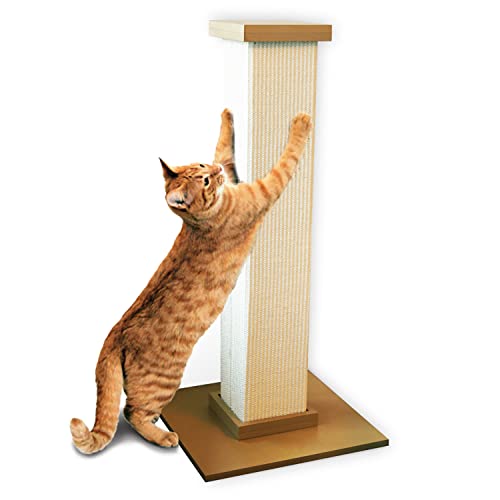
Providing alternative surfaces for scratching is an immediate way to divert attention from your belongings. Invest in a sturdy scratching post or pad made from sisal or cardboard. Place these substitutes in areas where your furry friend lounges or plays, ensuring they are easily accessible.
Positive reinforcement plays a vital role in encouraging desirable behavior. Whenever I observe my pet using the designated scratching item, I reward them with treats or affectionate praise. Consistency in responses reinforces that this behavior is preferred.
To deter harmful habits, utilizing gentle deterrence can be helpful. Applying double-sided tape or citrus-scented sprays to surfaces I wish to protect has proven effective. This combination creates an uninviting texture or smell, prompting my companion to explore their scratching alternatives.


Regular nail trimming can also minimize the impact on my possessions. By keeping claws short, potential damage is reduced significantly. I make it a part of our routine, ensuring that it becomes a comfortable experience over time.
Lastly, ensuring ample supervision during playtime allows me to redirect any unwanted behavior on the spot. Every interaction is an opportunity to guide my pet towards healthier habits, reinforcing a harmonious living environment.
Effective Solutions to Deter Unwanted Clawing
Use a multi-faceted approach with alternatives. Introduce scratching posts made of varied materials like sisal or cardboard, positioned close to the frequently targeted items. Cats appreciate vertical surfaces, so a tall post can attract them more than horizontal ones.
Attracting Attention
Utilize catnip or other enticing scents on the new posts. Sprinkle a bit of dried catnip on the surface or use sprays designed for this purpose. This encourages engagement and can redirect their focus away from your belongings.
Aversion Techniques
Implementing a deterrent can be effective. Use double-sided tape on areas they often visit; the sticky sensation repels them. Alternatively, consider motion-activated air sprays or noise devices that trigger when they approach forbidden zones.
Offer positive reinforcement. When your pet uses the designated scratching surface, reward them with treats or praise. Establishing this connection helps them understand the behavior you prefer.
Understanding Cat Scratching Behavior
The primary reason felines engage in this activity is to maintain their claws. By peeling off the outer sheaths, they expose sharper, healthier claws underneath. This behavior also serves as a means of marking territory, as scent glands located in their paws release pheromones onto the surfaces they engage with.
Another significant aspect revolves around stretching. The action of extending their limbs while scratching promotes physical health by aiding in muscle engagement and flexibility. It’s a natural way for them to relieve stress and engage in exercise, which is crucial for their emotional well-being.
Observing my furry companion, I realize they often gravitate towards vertical surfaces. This preference is tied to their instinctual behaviors inherited from wild ancestors, where climbing and scratching on trees was common. I noticed that providing appropriate vertical options can greatly influence their choices.
Timing plays a role too; my pet tends to scratch more after waking up or during play sessions. Recognizing these patterns allows me to anticipate their needs and provide suitable alternatives, ensuring my belongings remain intact while catering to their instincts.
Redirecting their natural tendencies is possible with understanding and patience. I’ve found that creating a comfortable environment filled with designated scratching posts can encourage better habits without undermining their instincts.
Selecting the Right Scratching Post
Choose a vertical structure over a horizontal one. Cats prefer to stretch upwards, mimicking their natural instincts.
Material matters. A sisal-wrapped post is ideal; it offers a satisfying texture. Cardboard options can also captivate their attention, as many enjoy tearing into it.
Height is crucial. The post should be tall enough for full body stretches, ideally around 30 inches or more. This allows your pet to engage in a natural climbing motion.
Consider stability. A sturdy base prevents tipping, ensuring safety during vigorous activity. If it wobbles, the experience may deter usage.
Design features can enhance appeal:
- Multiple levels or platforms provide additional play opportunities.
- Built-in toys or dangling elements can increase interest.
- Your selection of colors and patterns can complement home decor, making it visually pleasing.
Location influences usage. Place it near favored lounging spots or anywhere frequent scratching tends to occur. Offering options encourages interaction.
Rotate or introduce new posts every so often. This keeps the environment stimulating and prevents boredom.
Consider your companion’s size and age. Kittens may prefer smaller, more accessible models, while larger breeds benefit from strong, tall structures.
Encouraging Positive Scratching Habits
Introduce a variety of scratching surfaces in different textures such as sisal, carpet, and cardboard. Observe which type your feline prefers and provide multiple options around the home.
Utilize catnip to make those surfaces more attractive. Sprinkle a small amount on the scratching post or rub it on the material to draw your pet’s attention. Some felines are particularly responsive to this, and it can entice them to engage with their scratchers instead of your belongings.
Incorporate playtime sessions with interactive toys near the scratching posts. Engage your furry companion in activities that lead them to the designated areas, creating positive associations with those locations.
Rewarding Good Behavior
When my pet uses the appropriate surfaces, I give praise or offer treats as a reward. This reinforces the idea that using these surfaces is a desirable behavior. Be consistent with this approach to strengthen the habit.
Creating a Designated Area
Establish specific zones in the home where your companion can safely engage in claw maintenance. This helps them develop a routine and understand where they are allowed to exercise their natural instincts, keeping them away from problematic areas.
Monitor the progress and adjust the environment as needed. If certain posts or mats are underused, try relocating them to more frequented areas or altering their position to catch their interest. The goal is to provide a space where they feel comfortable fulfilling their instinctual needs.
Using Deterrents for Furniture Protection
Utilize double-sided tape on exposed areas. Cats dislike the sticky texture, prompting them to find alternate surfaces.
Spray-on citrus or peppermint-based repellent works effectively. The strong scent discourages felines from approaching certain zones.
Consider placing aluminum foil or plastic mats on surfaces. The unfamiliar feel under their paws can deter interested paws from making contact.
Employ motion-activated devices that emit sounds or sprays upon detecting movement. These unexpected responses can condition them to associate specific areas with discomfort.
Evaluate commercial deterrent sprays. Select products designed specifically for this purpose to ensure safety and effectiveness.
Regularly rotate deterrents and strategies to maintain their effectiveness, adapting the approach as necessary to keep your furry companion engaged and avoid acclimatization.
Creating a Cat-Friendly Environment
Provide plenty of appropriate alternatives to keep your feline satisfied. Set up dedicated areas with scratching posts and pads in various rooms, especially where your pet spends most of its time.
Consider Your Space
Evaluate your living space for suitable spots. Place scratching structures near furniture that may attract unwanted attention. This strategy allows your companion to fulfill its instinctive needs while protecting your belongings.
Supply Engaging Activities
Keep your four-legged friend entertained with a variety of toys and interactive play. Rotate toys to maintain interest and encourage physical activity. By offering stimulating options, you are less likely to encounter destructive behavior.
- Feather wands for active play
- Laser pointers to engage in chase
- Catnip-filled toys for sensory gratification
Additionally, consider vertical spaces such as shelves or cat trees. These allow your pet to explore, stretch, and scratch in a designated environment, reducing the likelihood of engaging in unwanted behavior on your furniture.
Lighting plays a role too; ensure that scratching posts are well-lit and easily accessible. If your pet feels comfortable and secure in its environment, it will be less likely to turn to your belongings for satisfaction.
Reinforcing Training with Rewards
Incorporating positive reinforcement into the training process yields significant benefits. Offer treats or praise immediately after your pet uses the designated scratching post. This instantly associates the behavior with a positive outcome, enhancing motivation to repeat it.
Choosing Effective Rewards
Select high-value rewards that resonate with your companion. Delicious treats, extra playtime, or affection work well. Pay attention to their preferences, as this personalizes the reward and increases effectiveness.
Consistency is Key
Maintain a routine in the timing and type of rewards. Regular reinforcement ensures your furry friend clearly understands the connection between their actions and the benefits they receive. Gradually reduce treats as they adapt, replacing them with verbal praise to reinforce the behavior sustainably.
Dealing with Relapses in Scratching
During my experience, I’ve noticed that occasional setbacks in clawing behavior are common, even after successful training. Keeping a consistent environment plays a critical role in minimizing these recurrences. If I observe a return to unwanted behaviors, I immediately revisit the basics of positive reinforcement and deterrents.
First, I ensure that the scratching alternatives remain accessible and appealing. Positioning the posts in frequently used areas is key. If a situation arises where these surfaces are ignored, I may experiment with different textures or styles to re-engage interest. Engaging my feline with interactive toys near these alternatives can also redirect their attention.
Additionally, I assess any changes in the household’s routine that might contribute to stress or anxiety. Introducing calming solutions such as pheromone diffusers can create a more soothing atmosphere. I find that understanding the triggers leading to unexpected behaviors is crucial; keeping a journal about these instances often reveals patterns that allow for more targeted interventions.
If damage occurs despite these efforts, I promptly apply protective measures–such as double-sided tape or furniture covers–on affected areas. These temporary deterrents can assist in breaking the cycle of recurrent clawing in sensitive spots.
Regularly reviewing and adjusting these strategies proves effective. I also keep the channels of communication open with other household members, ensuring everyone understands the importance of maintaining a consistent approach. Collaboration strengthens the training environment.
| Action | Details |
|---|---|
| Reassess Options | Ensure scratching alternatives are appealing and accessible. |
| Reduce Stressors | Introduce calming solutions like pheromones if stress is suspected. |
| Protect Surfaces | Use temporary deterrents on damaged areas until behavior improves. |
| Monitor Behavior | Keep a journal of incidents to identify patterns and triggers. |
| Collaborate | Communicate strategies with other household members for consistency. |


